







Donald Trump doesn’t just claim victory; he wants others to repeat it using his exact wording, whether it’s accurate or not.
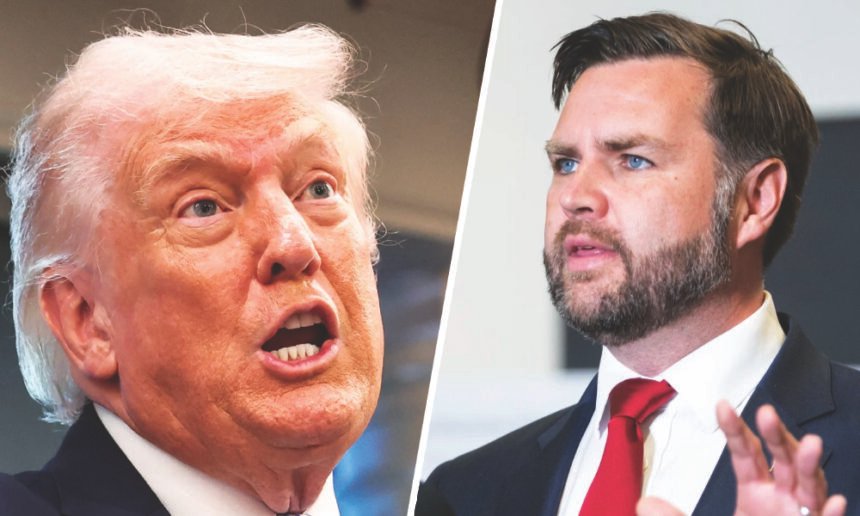
According to an excerpt from a forthcoming book by New York Times reporters Maggie Haberman and Jonathan Swan, Trump privately erupted at Vice President JD Vance last summer after Vance failed to fully echo Trump’s claim that U.S. strikes had “totally obliterated” Iran’s nuclear program.
Not “damaged.” Not “set back.” Not even “severely impacted.” In Trump’s view, there was only one acceptable word: “obliterated.”
And he apparently wanted everyone saying it, loudly, repeatedly, and without edits.
“Everyone needs to say fucking ‘obliterated,’” Trump ranted, according to the book. “That’s the word. Everyone just needs to copy what I say. Obliterated. Obliterated.”
The issue started after the June 2025 strikes on three Iranian nuclear facilities. Trump quickly declared the operation a total success, insisting the targets had been “totally obliterated.”
But when JD Vance went on ABC News shortly after, he didn’t quite lock into the same vocabulary.
“Well, Jon, severely damaged versus obliterated, I’m not exactly sure what the difference is,” Vance said. “What we know is we set their nuclear program back substantially.”
That was… not the script. And apparently not even close.
According to the book, Trump was frustrated that his vice president wasn’t fully amplifying the administration’s strongest framing of the strikes. He also reportedly pushed back on Vance’s suggestion that the White House tone things down.
Trump’s response: “I know what I’m doing.”
Then, according to Haberman and Swan, he turned away from Vance mid-conversation.
No follow-up. No debate. Just exit stage Trump.
The tension didn’t stop there. In the days following the ABC interview, Vance quickly adjusted his language, repeatedly using the word “obliterated” in later appearances, including on Fox News—suggesting the internal message discipline landed fast.
But the reporting adds another layer to the story: early intelligence assessments reportedly did not fully align with the administration’s most aggressive claims about the damage to Iran’s nuclear infrastructure. That gap between public messaging and internal caution is where things apparently got uncomfortable.
And Vance, according to the book, wasn’t just dealing with messaging pressure.
He was also reportedly uneasy about the broader direction of the strikes themselves. An Iraq War veteran and longtime skeptic of U.S. interventionism, Vance was described as “anxious” by some aides in the aftermath of Operation Midnight Hammer, concerned the escalation could spiral into a longer conflict.
Trump, meanwhile, wasn’t interested in soft edges or hedged language.
He wanted a clean narrative: total success, total destruction, total “obliteration.”
Anything less wasn’t just disagreement, it was disloyalty to the message. Because in Trump’s world, if you didn’t say it his way, you didn’t say it at all.