








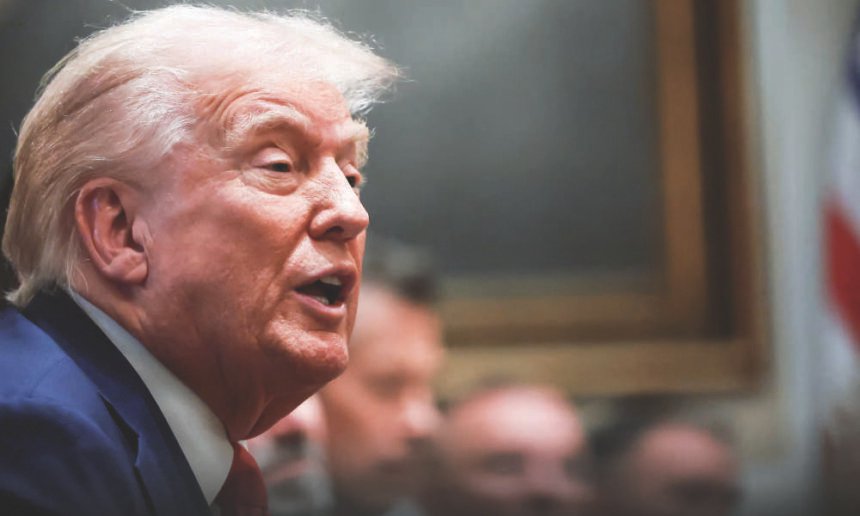
Donald Trump is once again doing what he does best when faced with uncomfortable questions: deflect, attack, and issue threats.
This time, the target is The New York Times, which had the audacity to ask a simple question: what exactly his war with Iran accomplished.
Late Sunday night, Trump erupted into one of his trademark social media meltdowns after The New York Times published a story examining whether nearly four months of conflict had actually changed much on the ground.
For most presidents, that would be considered a normal question. For Trump, it’s apparently “treason.”
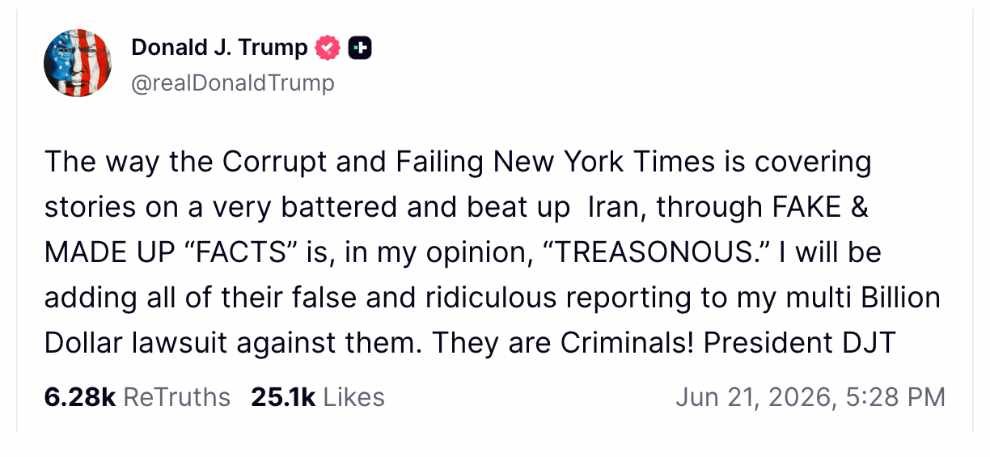
“The way the Corrupt and Failing New York Times is covering stories on a very battered and beat up Iran, through FAKE & MADE UP ‘FACTS’ is, in my opinion, ‘TREASONOUS,’” Trump raged on Truth Social.
He added: “I will be adding all of their false and ridiculous reporting to my multi Billion Dollar lawsuit against them. They are Criminals!”
Think about that for a second.A sitting president is publicly calling journalists criminals, accusing a major newspaper of treason, and threatening legal action because it dared to ask whether his military campaign achieved its stated objectives.
Peace negotiations remain fragile. Questions continue to swirl about the true cost of the conflict. Critics are asking whether the administration’s strategy actually delivered a lasting solution or merely created another cycle of instability in the region.
Instead of answering those questions, Trump is attacking the people asking them.
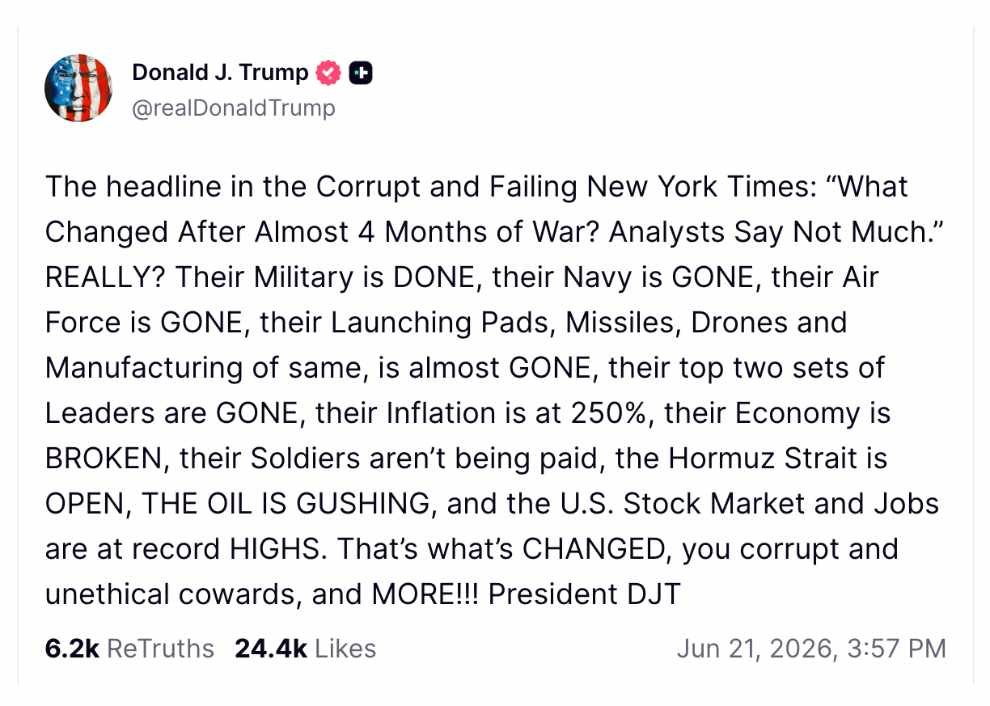
In a second post, Trump practically screamed his response in all caps, insisting that Iran’s military was “DONE,” its navy was “GONE,” its air force was “GONE,” and its economy was “BROKEN.”
The irony is that if Trump’s case were truly as strong as he claims, he wouldn’t need to label reporters criminals for questioning it.
Successful presidents don’t spend their nights threatening newspapers.
They explain their policies. They defend their decisions. They provide evidence.
Trump’s instinct is different. Whenever uncomfortable questions arise, he reaches for the same playbook: attack the media, accuse critics of disloyalty, threaten lawsuits, and declare himself the victim.
It’s a strategy that’s become so predictable you can practically set your watch by it.
And yet the underlying question that triggered this latest outburst remains unanswered.
After months of conflict, billions of dollars, rising tensions, and endless boasts from Trump about his negotiating skills and military strength, what exactly changed?