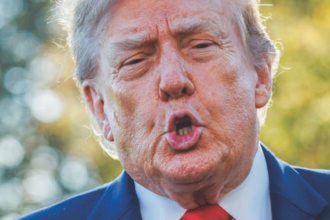









For more than a decade, Donald Trump has dominated America’s political conversation. But according to one of the country’s best-known pollsters, that era may finally be coming to an end.
Polling analyst Nate Silver says the media and the public are beginning to treat Trump less like the all-consuming force he once was and more like a fading political figure whose biggest headlines increasingly revolve around embarrassing blunders and missteps rather than consequential achievements.
“It’s kind of striking how, apart from Iran, most of the Trump-related stories this summer have been boring and dumb… or kind of funny,” Silver wrote on X. “Maybe we’re moving on from him being the central figure in American politics.”
In other words, Trump isn’t driving the national conversation the way he used to.
Journalist John Harwood responded by noting that more serious stories—such as the killings of two people by federal immigration agents earlier this month—also deserved attention.
Silver agreed but argued that much of the coverage surrounding Trump has shifted toward what he described as low-stakes, self-inflicted controversies.
“Maybe because they click better,” Silver wrote. “But it feels lame duck-ish, not ‘Trump as existential threat.'”
That observation comes at a difficult moment for the president.
With the midterm elections just months away, Trump is facing sinking approval ratings, growing anxiety inside Republican ranks, and mounting frustration from voters over issues that directly affect their wallets.
Inflation and the cost of living remain among Americans’ top concerns, yet critics say the administration has spent far more time battling political controversies than addressing rising prices.
Trump’s trade policies have driven up costs on imported goods, while the ongoing conflict with Iran has pushed oil prices higher, contributing to painful prices at the gas pump.
The political fallout has been significant.
A new Economist/YouGov poll found 62 percent of American adults now disapprove of Trump’s job performance, while just 34 percent approve, his worst showing of either presidency.
The survey also found his support slipping among several groups that once formed the backbone of his political coalition.
Among Americans between 45 and 64 years old, Trump’s approval has cratered since the start of his second term.
Support has also weakened among white voters without college degrees—a demographic that helped fuel both of his presidential victories.
Even Republicans who don’t identify with the MAGA movement are showing signs of pulling away.
Those numbers help explain why many Republicans are increasingly nervous about November.
If Democrats reclaim the House—or even the Senate—they would gain the power to block Trump’s legislative agenda, launch aggressive oversight investigations, and potentially pursue another impeachment inquiry.
At the same time, Trump’s second year back in office has been marked by a steady stream of self-inflicted headlines that critics say have overshadowed any policy successes.
Instead of dominating the news with legislative victories, Trump has found himself making headlines over controversies surrounding the Lincoln Memorial Reflecting Pool, awkward appearances at FIFA events, disappointing attendance at his Great American State Fair, and a widely mocked performance at the revived White House Correspondents’ Dinner.
None of those stories, by themselves, are politically devastating.
But together they paint a picture that Silver argues is far more damaging: a president who increasingly generates headlines because of blunders, distractions, and viral moments, not because he’s shaping the national agenda.