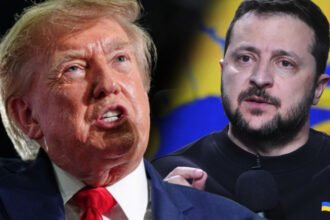







Donald Trump is running out of time to reshape the 2026 midterm elections and he’s in panic mode.
With states already sending mail ballots to voters, his administration is making another last-ditch attempt to get the Supreme Court to let it impose new restrictions on mail voting before the November midterm elections.
The Justice Department returned to the Supreme Court after U.S. District Judge Indira Talwani extended an order blocking the U.S. Postal Service from enforcing key parts of Trump’s election-related executive order.
This is now the third time Trump has asked the Supreme Court to intervene in the fight. The justices previously allowed the administration’s plan to move forward procedurally but did not rule on whether the restrictions themselves are legal.
And the timing is becoming increasingly urgent.
North Carolina has already begun sending mail-in ballots for the 2026 midterms, making it the first state to do so. Other states are preparing to begin mailing ballots as well.
The administration argues that the federal government needs to know quickly whether it can enforce the new rules so election officials and the Postal Service can prepare.
Opponents say that’s precisely the problem: the administration is attempting to impose major changes on the nation’s election-mail system with the election already underway.
Trump’s March executive order directed the Postal Service to develop new rules governing election mail.
Under the rules the administration is seeking to enforce, states would have to provide the USPS with lists of voters receiving mail ballots. The rules would also impose new requirements for ballot envelopes, including unique barcodes and other identifying information.
The Postal Service could refuse to deliver ballots that don’t comply with the new requirements.
That could give the federal government a much larger role in determining whether election ballots can enter the mail system.
The administration says the changes are intended to protect election integrity and prevent confusion or potential fraud.
But voting-rights groups and states challenging the rules argue that the president and Postal Service don’t have the authority to impose such requirements on state-run elections. They also argue that implementing the changes this close to Election Day could create confusion and disenfranchise voters.
A federal judge has already slammed on the brakes
Talwani extended her injunction on Friday, blocking the Postal Service from implementing key portions of the new rules.
Her decision came after the administration had already taken the fight to the Supreme Court.
The judge’s order means the new requirements cannot simply be put into effect while the legal battle continues.
The administration is now asking the Supreme Court to step in again and lift the block.
The Supreme Court has already considered an earlier request in the case. But the justices’ previous action did not settle the underlying question of whether Trump’s mail-voting restrictions are lawful.
That question remains unresolved. And the ballots are already moving.
That’s what makes the latest Supreme Court appeal so time-sensitive.
Mail voting is not some distant issue that will matter weeks from now. The machinery of the 2026 election is already moving.
North Carolina has started mailing ballots, and other states are preparing to do the same. The administration is therefore asking the Supreme Court to decide whether the Postal Service can impose its new requirements while election officials are already sending ballots to voters.
Justice Ketanji Brown Jackson has given the challengers until Wednesday to respond to the administration’s latest request.
The Supreme Court has not yet ruled on the legality of the restrictions themselves.
For Trump, the clock is ticking. The closer the country gets to Election Day, the harder it becomes to overhaul the rules governing millions of ballots without creating exactly the kind of confusion his administration says it wants to prevent.