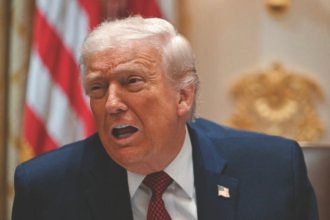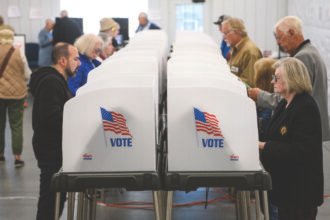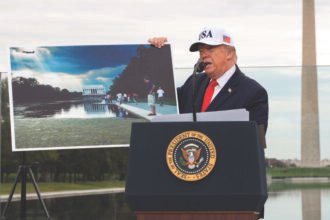








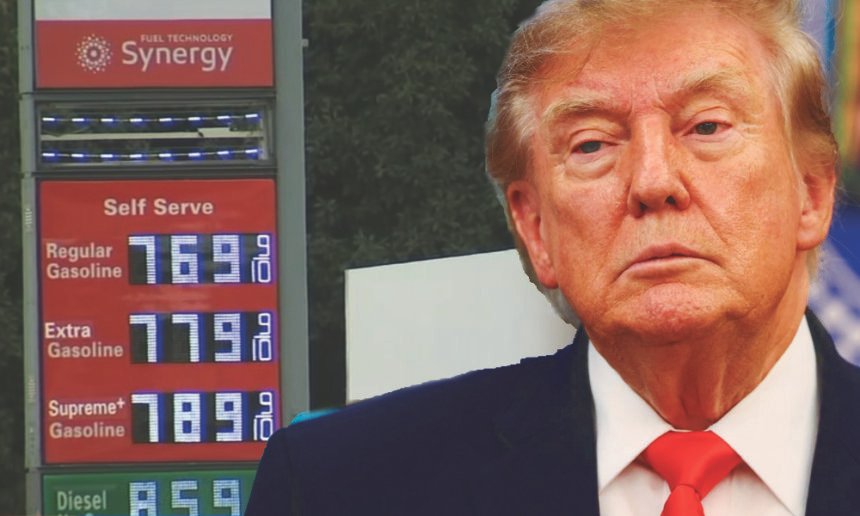
Donald Trump promised Americans cheaper gas. Instead, voters are heading to the polls on Election Day facing the highest average gasoline and diesel prices ever recorded on an Election Day in U.S. history.
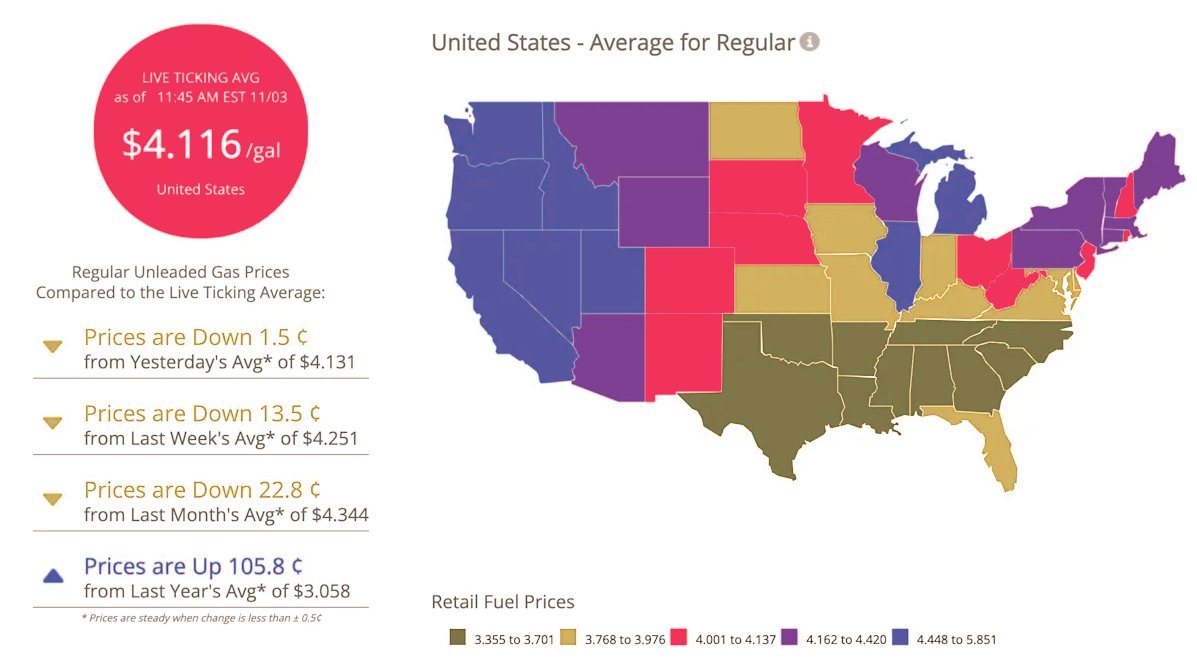
The national average price of gasoline reached $4.12 per gallon early Tuesday, while diesel climbed to $6.28, according to fuel-price tracker GasBuddy. Both figures set new Election Day records, adding another economic headache for a president whose promises to bring down the cost of living have become a major political issue.
The gasoline average also blew past the previous Election Day record set in 2022, when prices averaged $3.80 per gallon during the week before voters cast their ballots, according to the U.S. Energy Information Administration.
Patrick De Haan, GasBuddy’s head of petroleum analysis, confirmed the milestone, calling it a “new Election Day record.”
“Overall, gas prices, though nominally high, were not near inflation-adjusted records,” De Haan explained in a post on X, noting that consumers tend to be more resilient to higher prices during the summer driving season.
Still, that explanation probably offers little comfort to motorists staring at the price signs on their way to vote.
Gas prices are only one piece of a much larger economic problem facing the administration. Poll after poll has shown that the economy and the cost of living are among voters’ biggest concerns heading into the midterms.
A Gallup survey found that 50% of voters considered the economy an “extremely important” issue. An AP-NORC poll painted an even clearer picture: 85% ranked the economy as their top concern, while 84% identified the cost of living as their second-biggest issue.
NBC News has dubbed the 2026 midterms “the gas price election” after its polling found that 73% of Americans disapprove of Trump’s handling of inflation and the rising cost of living. Roughly two-thirds also said soaring gas prices were a serious problem.
“Prices have never been this high (on average) for gasoline and diesel this late in the year,” De Haan previously told NBC News. He added that the timing could influence voters as they head to the polls.
In other words, voters aren’t just hearing campaign promises. They’re seeing the cost of those promises—or the failure to deliver on them—every time they fill up.
Trump has repeatedly told Americans that gasoline prices will fall once the war with Iran, which he launched in February, comes to an end.
“By the way, when that war ends, you’re gonna see gasoline coming down,” he told supporters at a rally in Iowa on Sunday.
But there’s a problem with that promise: Trump doesn’t appear to be preparing for a quick exit from the conflict.
Reports from The Wall Street Journal and MS NOW indicate that the president has been weighing another round of strikes against Iran, potentially as soon as November 4—just one day after Election Day.
Three senior Gulf Arab officials told MS NOW that the Trump administration had advised Gulf allies to prepare for a short but intense round of strikes.
The White House declined to confirm any military plans.
“We do not comment on sensitive military plans that may or may not exist. President Trump keeps all options on the table to ensure that Iran can never have a nuclear weapon,” a White House official told the outlet.
That leaves voters with an uncomfortable contradiction: Trump is promising that gas prices will fall when the war ends, while his administration is reportedly preparing for the possibility of another round of military action.
And as Americans head to the polls, they don’t need another campaign promise to understand what higher prices mean. They’re already paying for it at the pump.