







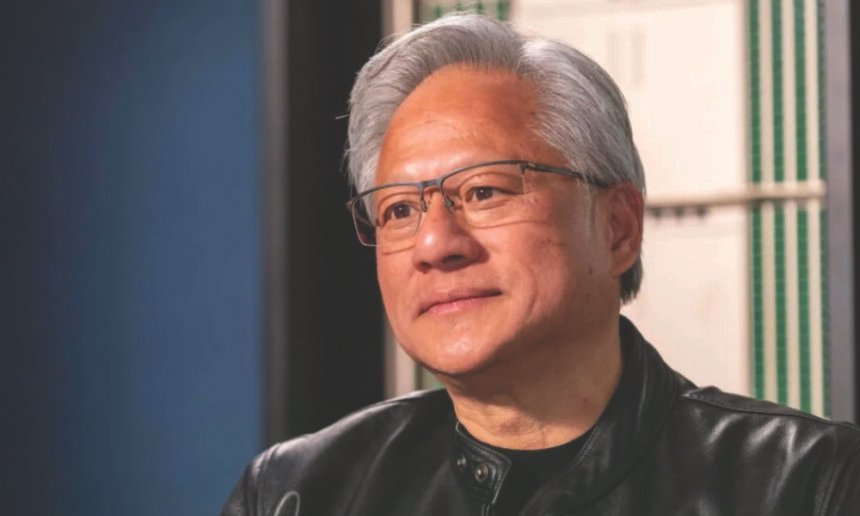
In a stunning shake-up at one of the world’s most powerful technology companies, Nvidia CEO Jensen Huang is stepping down amid a growing scandal involving an alleged Chinese espionage operation and reports of multiple extramarital affairs.
Nvidia CFO Colette Kress will take over as interim CEO while the company searches for a permanent replacement. The company also named former Synopsys CEO and board member Harvey Jones as its first-ever board chairman. Huang is leaving the board as well, according to The Associated Press.
The dramatic departure follows days of mounting pressure after reports surfaced that Huang had an affair with Alice Huang, a former executive at Singapore-based cloud company Megaspeed International. U.S. intelligence officials reportedly concluded that Alice Huang was gathering information for Beijing.
The two are not related.
The allegations raised serious national security questions, particularly because Megaspeed has been a major Nvidia customer with access to advanced AI chips. U.S. authorities have also scrutinized whether the company helped move restricted Nvidia chips into China.
Nvidia’s board had launched an investigation into whether Huang was targeted as part of a foreign intelligence operation. Huang acknowledged being unfaithful to his wife in a message to employees, apologized to his family and colleagues, and said he would cooperate fully with the investigation.
But the controversy grew even more explosive Wednesday after The New York Times reported that Huang had also been involved in an affair with Kimberly Powell, an Nvidia vice president who reportedly reported directly to him.
According to the reporting, Nvidia’s board met Wednesday to consider Huang’s future at the company. The Associated Press reported Thursday that he had resigned.
The fallout could reach far beyond Nvidia’s boardroom.
Huang transformed the company from a major graphics-chip maker into the dominant force behind the artificial intelligence boom. Its chips power much of the infrastructure used by the world’s biggest technology companies and AI developers.
His departure now leaves the $4 trillion chipmaker facing an uncertain leadership transition at a particularly sensitive moment for the AI industry.
It could also complicate the debate over U.S. chip exports to China. Huang had been a vocal advocate for maintaining access to the Chinese market and had cultivated close ties with President Donald Trump.
Trump previously praised Huang’s work and said the Nvidia chief had told him he did not know the woman was allegedly involved in espionage.