









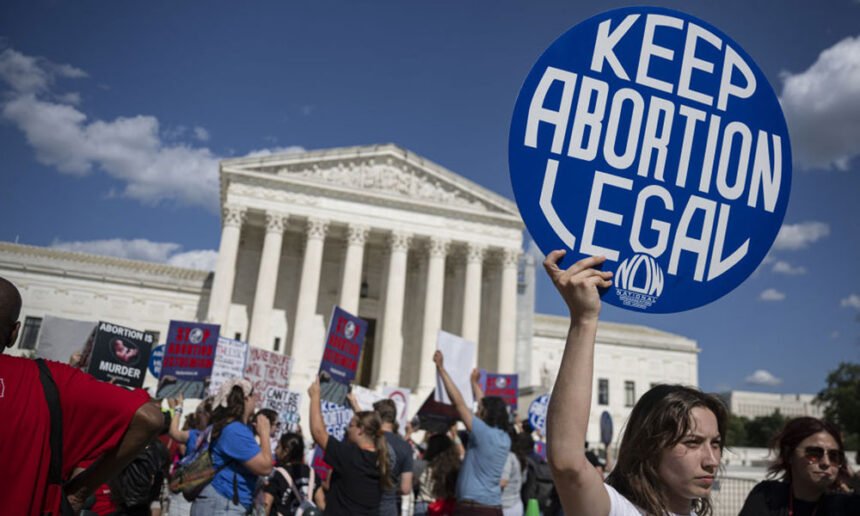
The U.S. Supreme Court on Monday blocked a sweeping attempt to restrict access to the abortion pill mifepristone, stepping in at the last minute to preserve one of the most widely used methods of abortion in the country.
In a temporary order signed by Justice Samuel Alito, the court reinstated rules allowing patients to obtain the medication through telehealth, by mail, and at pharmacies—rolling back a lower court decision that threatened to abruptly cut off access for millions.
The move halts, for now, a growing push by anti-abortion activists and Republican-led states to choke off access to medication abortion nationwide. Since the court’s 2022 decision to overturn Roe v. Wade overturned, these pills have become a lifeline, accounting for the majority of abortions in the United States.
The legal fight was driven in part by officials in Louisiana, who argued that access to mifepristone undermines their state’s abortion ban—part of a broader strategy to limit access not just through legislation, but through the courts.
Meanwhile, Democratic-led states have taken the opposite approach, passing protections for doctors who prescribe abortion pills via telehealth, even across state lines—setting up an escalating legal and political clash over reproductive rights.
The Supreme Court’s order is temporary, giving both sides time to argue their case. But its immediate impact is clear: it prevents a sudden rollback that could have thrown abortion access into chaos across the country.
Anti-abortion groups were quick to condemn the decision. Kristan Hawkins of Students for Life of America blasted the ruling, accusing the court of allowing abortion access to continue unchecked.
Providers, however, say the intervention was critical. Dr. Angel Foster said her organization had been preparing to switch to a less common protocol after the lower court ruling—but was able to reverse course once the Supreme Court stepped in.
“Regardless of what happens with this regulatory issue, we and other groups will continue to provide high-quality abortion care to patients in all 50 states,” Foster said.
For now, access to abortion pills remains intact—but the fight is far from over. With opponents increasingly turning to the courts to achieve what they can’t always pass through legislation, the future of medication abortion remains under constant threat.