








A sprawling new investigative report is raising fresh and deeply unsettling questions about Jeffrey Epstein — and the powerful connections surrounding his New Mexico estate.
Veteran journalist Alisa Valdes-Rodriguez says the latest findings left her shaken, warning readers to “brace yourselves” as she details what she describes as a disturbing pattern hidden in plain sight.
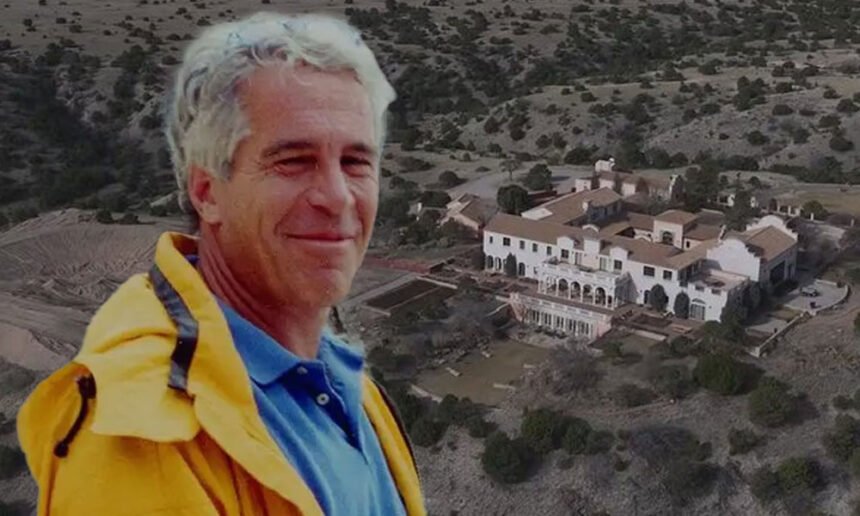
In her nearly 3,000-word report, Valdes-Rodriguez zeroes in on Epstein’s remote Zorro Ranch property — a location she has previously suggested may have been used for surveillance activities tied to nearby U.S. nuclear weapons facilities. Now, she says, newly examined Justice Department files reveal another eyebrow-raising detail: the company that likely built the compound.
According to her reporting, the ranch appears to have been constructed by Bradbury Stamm Construction — a firm with deep ties to large-scale government and military projects, not private residential homes.
That detail, she argues, is anything but ordinary.
“If you’re not from New Mexico, you might miss it,” she wrote. “But if you are, seeing that name listed so casually should stop you cold.”
Bradbury Stamm isn’t just any contractor. The company has historic ties to the Manhattan Project, including work at Los Alamos National Laboratory — where the first U.S. nuclear weapons were developed.
And that’s where the story takes a darker turn.
Valdes-Rodriguez argues that Epstein’s decision to use a contractor with that background makes far more sense when viewed alongside the ranch’s geographic position — situated between major U.S. nuclear labs. She also points to claims, backed in part by a declassified FBI document, that one of those labs may have been compromised by surveillance software linked to foreign intelligence.
Put together, she suggests, the pieces form a pattern that is difficult to ignore.
“What seemed strange at first,” she wrote, “starts looking like exactly the right call.”
Valdes-Rodriguez is careful to note that her conclusions are based on publicly available records, emphasizing that she is drawing connections rather than making definitive claims. Still, she says the implications are chilling.
“I’m just putting it together,” she wrote, “and trying to see patterns.”
The result, she suggests, is a picture that is as unsettling as it is hard to dismiss.