







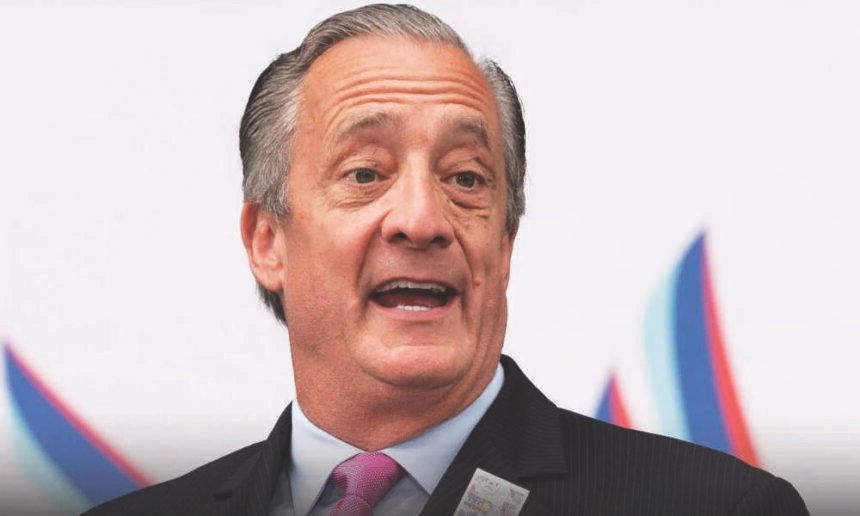
During a Senate hearing Wednesday, Postmaster General David Steiner said the U.S. Postal Service will refuse to deliver mail-in ballots in states that do not provide detailed voter registration lists to the federal government, prompting immediate accusations of voter suppression and federal overreach.
“Under our proposed regulation, no,” Steiner told the Senate Homeland Security Committee when asked whether USPS would still deliver election mail if states refuse to submit voter data.
He added that states would be required to provide what he called a “manifest” of voters requesting mail ballots before ballots are distributed, Democracy Docket reports.
The proposal effectively ties the delivery of election mail to compliance with federal demands for voter information, a move critics say could reshape how mail voting operates nationwide.
Under the proposed rule, state election officials would have to submit lists of voters requesting absentee or mail-in ballots at least 30 days before ballots are sent out under state law.
Voters not included on those lists would not receive ballots through the mail.
Election law experts and lawmakers warn the policy could function as a de facto federal voter list for mail voting and pressure states into handing over sensitive election data.
Sen. Gary Peters, the ranking Democrat on the Senate Homeland Security Committee, sharply criticized the proposal, calling it a “back-door” attempt to centralize voter information under federal control.
“This is basically a back-door way for the federal government to get voting information that states control under the U.S. Constitution,” Peters said.
He warned the rule could force states into a coercive choice: share voter data with the federal government or risk preventing voters from receiving mail ballots.
“You are going to make a decision that people cannot vote by mail,” Peters said. “That’s unacceptable.”
Sen. Maggie Hassan also demanded the Postal Service withdraw the proposal immediately, calling it “blatantly illegal” and warning it could “reduce participation in our democracy.”
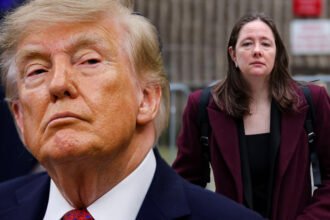
The proposed rule stems from a March 2026 executive order issued by President Donald Trump that directed federal agencies to tighten oversight of mail voting procedures and restrict ballot distribution to voters on federally verified lists.
The order marked a significant departure from longstanding practice in which states control voter registration and election administration.
Postal workers and election officials have already raised concerns that the rule could upend mail voting systems in multiple states, particularly those where voting by mail is widely used.
Postmaster General Steiner defended the proposal during the hearing, pointing to USPS guidance known as “Kit 600,” which outlines recommended procedures for handling election mail.
But critics say the new rule goes far beyond guidance and instead makes compliance mandatory—changing best practices into enforceable requirements tied to ballot delivery.
The proposal is already facing multiple lawsuits in federal court, alongside legal challenges to Trump’s executive order.
A federal judge in Massachusetts recently allowed voting rights groups and Democratic state attorneys general to proceed with their case, warning the policy could significantly disrupt upcoming elections if implemented.
Steiner maintained during the hearing that USPS remains a nonpartisan agency that does not administer elections or set voting rules.
However, lawmakers argued the proposed policy directly affects whether voters receive ballots at all—placing the Postal Service in the middle of a major constitutional and political dispute.
The rule has not yet taken effect, but its announcement has already triggered a political firestorm over mail voting, federal authority, and access to the ballot box.