









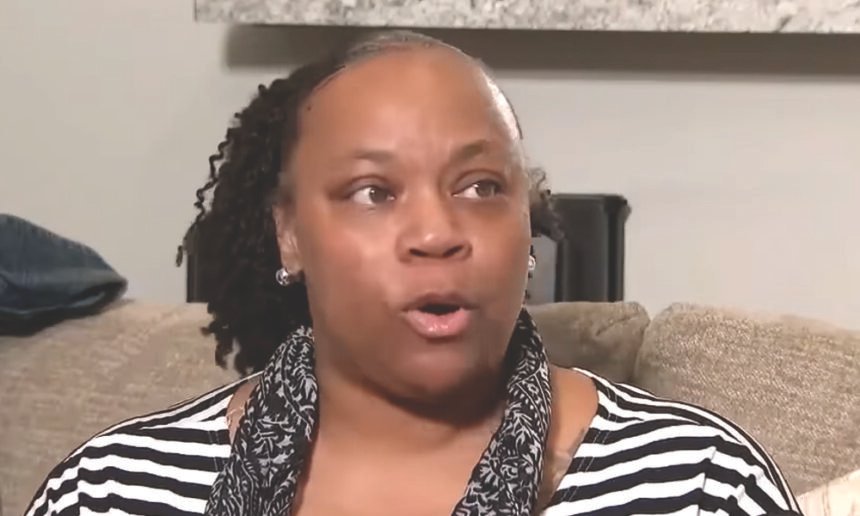
A North Carolina woman has been evicted from her home after receiving an email from her apartment complex approving a later payment date for nearly $4,000 in overdue rent. The catch? The message came from the property’s AI assistant, and she had no idea she was talking to a bot.
Laura Mack, a tenant at Colony Townhome Apartments in Raleigh, believed she had reached an agreement with the leasing office to pay her outstanding $3,934.17 balance by November 30. Instead, she was handed an eviction notice and removed from her home 11 days before the date she says the apartment complex had approved.
The dispute is raising a serious question about corporate accountability in the age of AI: If a company’s automated system gives customers financial assurances that appear to come from its employees, who is responsible when those promises are ignored?
According to emails reviewed by local TV station WRAL, the exchange began on November 8, when Mack received a message signed “Colony Townhome Apartments” asking when she could pay her outstanding balance.
She responded that she planned to make the payment at the end of the month.
The reply appeared to accept her proposal.
“Paying on November 30, the last day of the month, works,” the email stated.
But just eight days later, Mack received an eviction notice. On November 19, she was evicted—despite the apparent agreement giving her until November 30 to settle the balance.
Mack says she had every reason to believe she was communicating with an actual leasing-office representative. The emails reportedly included personal information and even referenced a maintenance issue involving her bathroom ceiling. There was no indication in the correspondence that an AI system was responding.
Residents had previously been told that Olivia, the property’s AI assistant, was available around the clock to answer questions about rent and maintenance.
According to Mack, a leasing-office employee later blamed the conflicting messages on Olivia.
Mack acknowledges that she owed the rent, but says the apartment complex should also be held accountable for an email that appeared to give her permission to pay later.
She attempted to challenge the eviction at the Wake County courthouse on November 19, but was still removed from the property. By November 21, she was staying in a hotel while trying to figure out what to do next.
The apartment complex has yet to publicly explain how the apparent payment extension was approved—or why the eviction went forward before the date stated in the email.
Colony spokesperson Alfred Leach told WRAL on November 20 that the property owners were gathering information and expected to provide an update the following week.
Several key questions remain unanswered: Was Olivia authorized to approve payment extensions? Did anyone at the leasing office review the exchange? And had eviction proceedings already begun before Mack received the message?
North Carolina state Senator Jim Burgin says the episode highlights the need for greater transparency when businesses use artificial intelligence to communicate with customers.
“I think notification is one thing, and I think liability is another,” Burgin told WRAL.
Burgin previously introduced a proposal known as the “Bot Bill,” which would require businesses to disclose when customers are interacting with AI rather than a human representative. The measure has not advanced through the legislature, but he plans to pursue it again during the next legislative session.
And this isn’t the first time a company has faced questions about whether it can escape responsibility for what its AI tells customers.
In a separate 2024 case, Canada’s Civil Resolution Tribunal held Air Canada liable after its website chatbot provided a customer with incorrect information about bereavement fares.
That ruling does not determine what should happen in Mack’s case, but it underscores a growing problem: Businesses are increasingly handing customer interactions over to AI systems, while questions about accountability are still catching up.
Watch the report below from WRAL: