







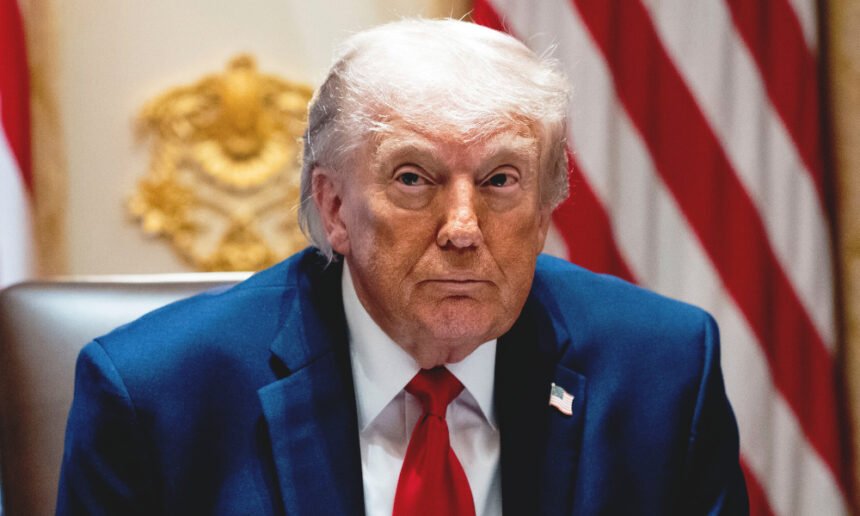
Donald Trump wanted Americans to report “negative” exhibits at national parks. Instead, thousands of Americans used the opportunity to report something else: Donald Trump.
Last year, the Trump administration launched a nationwide effort encouraging visitors to national parks to flag displays, signs, and exhibits that portrayed America in ways the administration deemed too negative. The stated goal was to restore parks as “uplifting public monuments” that celebrate the nation’s greatness.
What happened next was not exactly what they had in mind.
According to an analysis of roughly 35,000 public comments released through a Sierra Club lawsuit, the overwhelming response wasn’t a flood of complaints about park exhibits. It was a flood of complaints about the administration itself.
Many commenters described the initiative as censorship disguised as patriotism. Others called it “un-American.” Some compared the effort to authoritarian governments encouraging citizens to report on one another.
One visitor bluntly wrote that the idea of Americans “calling in and snitching on each other” was itself the problem.
Another commenter aimed directly at the president: “Hey Donald Trump! Trying to erase history doesn’t mean it didn’t still happen!”
That sentiment appeared repeatedly throughout the submissions.
The administration’s campaign originated from an order by Interior Secretary Doug Burgum directing officials to identify “inappropriate content” in parks. That included exhibits considered too negative about America or insufficiently focused on the nation’s achievements and natural beauty.
The problem is that American history includes things that aren’t always uplifting.
Slavery happened. The displacement of Native Americans happened. Women had to fight for basic rights. Climate change exists.
Many of the signs and exhibits reportedly targeted for removal or revision dealt with exactly those subjects.
According to the watchdog group Save Our Signs, at least 59 exhibits or signs have already been altered, removed, or modified. The changes affected displays discussing slavery, Native American history, climate change, and women’s contributions to conservation.
Perhaps the most striking example occurred at Philadelphia’s Independence National Historical Park, where exhibits discussing enslaved people who lived and worked at George Washington’s residence were removed. Some were later restored following a court order, though the legal battle continues.
Critics say the effort reflects a broader attempt to sanitize American history into something more politically convenient.
As one historian involved in tracking the changes observed, the apparent goal is to promote the idea that America is perfect and can do no wrong.
The irony is that the administration specifically invited public participation, only to discover that many Americans value historical accuracy more than government-approved nostalgia.
Even among visitors who praised the parks, many defended the importance of confronting uncomfortable parts of the nation’s story.
One visitor to Gateway Arch National Park wrote that learning about both America’s achievements and failures helps the country improve.
That’s generally how history works. You learn from it. You don’t erase it because it makes politicians uncomfortable.
And while the administration has remained notably vague about exactly which exhibits have been changed and why, the public response delivered a clear message.
Americans don’t visit national parks because they want propaganda. They visit because they want history.
The real backlash wasn’t against the exhibits. It was against Trump’s attempt to rewrite them.