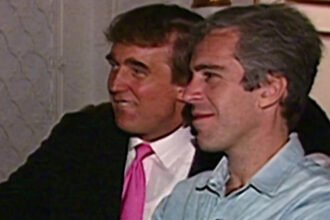









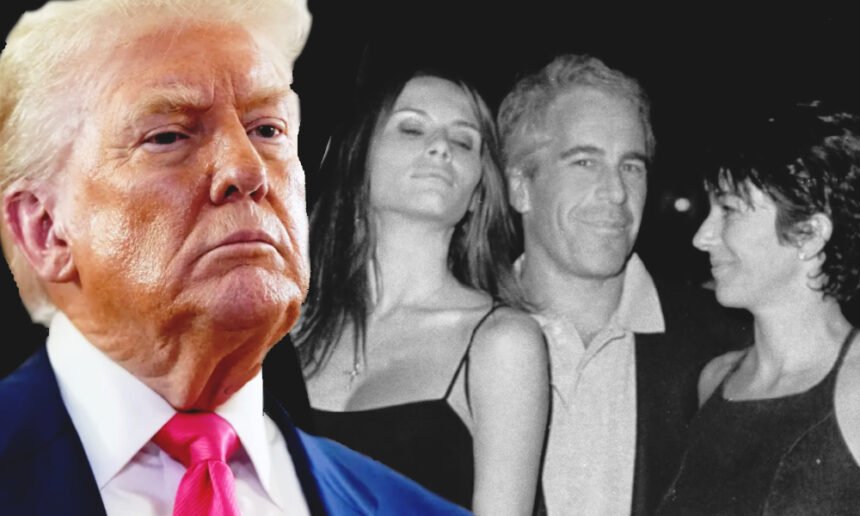
Behind the public bravado, Trump’s inner circle was reportedly scrambling behind closed doors as the Epstein controversy spiraled into one of the biggest crises of his second term.
For months, Donald Trump and his allies have tried to project confidence whenever questions about Jeffrey Epstein surface.
According to new reporting, the reality inside the White House was very different. Not confidence. Not control. Panic.
A forthcoming book by New York Times reporters Maggie Haberman and Jonathan Swan paints a picture of an administration quietly consumed by the political fallout surrounding the Epstein files—so consumed, in fact, that top officials reportedly held high-level meetings without Trump present as they struggled to figure out how to contain the damage.
Think about that for a moment. The administration that publicly insisted there was nothing to see here was reportedly treating the issue as one of the most serious political threats it had faced.
According to the report, the controversy over the administration’s handling of Epstein-related records triggered internal panic at the highest levels of government, creating tensions between senior officials and sparking intense behind-the-scenes debates over what should be released to the public.
“In their public statements, Trump’s advisers were full of bravado,” the authors wrote. “In reality, it was consuming the highest ranks of the administration.”
That sentence alone tells you almost everything you need to know.
When politicians are genuinely unconcerned about a story, they don’t reportedly convene emergency discussions in secure government facilities to manage it.
The reported meetings took place inside the Situation Room complex—the heavily secured White House facility typically associated with military operations, national security emergencies, and major foreign policy crises.
Yet according to the reporting, officials were using those spaces to navigate a political firestorm surrounding Epstein.
That’s not exactly the behavior of people who think a controversy is insignificant.
The internal divisions were reportedly striking.
While Trump allegedly preferred that the files remain buried, Vice President JD Vance reportedly pushed for maximum disclosure, arguing that everything should be released immediately—even material that could potentially be politically damaging to Trump—in order to get ahead of growing public and congressional pressure.
That alone suggests officials recognized the issue wasn’t going away.
Then things reportedly became even more chaotic.
According to the reporting, Justice Department officials exchanged expletives after the department released a memo concluding there was no evidence supporting some of the most widely circulated claims surrounding Epstein, including allegations involving a so-called client list.
Behind closed doors, officials reportedly debated accusations involving Trump himself and wrestled with how to respond to mounting scrutiny.
None of this sounds like an administration that had the situation under control.
It sounds like an administration caught between competing factions, conflicting strategies, and growing concern about where the story might lead next.
And that’s what makes this reporting so politically significant.
The story isn’t simply that questions about Epstein continued to haunt Trump’s White House.
It’s that, according to Haberman and Swan, those questions reportedly generated enough anxiety inside the administration to trigger internal battles, emergency discussions, and what appeared to be a coordinated effort to keep the public from seeing just how worried officials had become.