






President Donald Trump is suddenly signaling that he is willing to work with Democrats on a healthcare deal after a progressive Democrat figured out a clever way to get his attention: put Trump’s name on it.
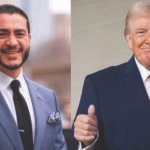
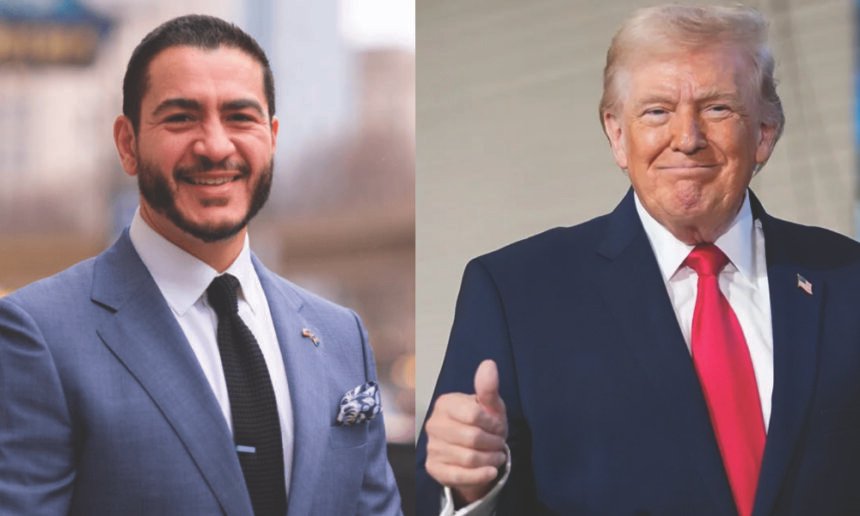
Sen.-elect Abdul El-Sayed (D-Mich.) recently branded his “Medicare for All” proposal as “TrumpCare,” and the president apparently liked the pitch so much that he shared El-Sayed’s post on Truth Social over the weekend.
The unexpected move comes just days after Trump told reporters he was open to working with Democrats on healthcare, potentially creating a rare opportunity for bipartisan negotiations as Democrats prepare to take control of both chambers of Congress next year.
“I am open to great healthcare,” Trump told reporters Friday. “Now, can it be what they want? No, but it can be a combination of what we all want.”
Trump added that a bipartisan agreement could produce a better outcome than simply negotiating with Republicans.
That is a notable shift in tone from a man who has spent years attacking the Affordable Care Act. But it doesn’t necessarily mean Trump is ready to embrace universal healthcare.
El-Sayed, however, appears more than willing to find out.
In an interview with NBC’s Meet the Press on Sunday, the incoming senator said he would happily support a healthcare plan called “TrumpCare,” making clear that the name matters far less to him than getting Americans guaranteed coverage.
“I don’t really care what it’s called,” El-Sayed said.
He also invited Trump to sit down and discuss the proposal, saying he was ready to work with lawmakers including Sens. Bernie Sanders, Chris Van Hollen, Ron Wyden and Elizabeth Warren to make universal healthcare a reality.
The strategy is hard to miss. Trump has long embraced putting his name on policies, products and government initiatives. El-Sayed is essentially offering the president a chance to put his own branding on a major healthcare proposal traditionally associated with the progressive wing of the Democratic Party.
And apparently, the approach has gotten some attention.
One Republican strategist described El-Sayed’s move as “brilliant,” saying he was speaking Trump’s political “love language.”
Joe Grogan, who served as Trump’s domestic policy director during his first administration, also suggested the president would be willing to hear Democrats out despite their political differences.
There are also potential areas of common ground. Republicans have pointed to Trump’s efforts to lower prescription drug prices, including his TrumpRx platform, as an issue where Democrats and Republicans could potentially work together.
But there is a major difference between agreeing to talk about healthcare and agreeing to overhaul the entire system.
Sen. Bernie Sanders has already laid out an ambitious plan to make Medicare for All a central Democratic priority in the new Congress. His proposal would phase in universal coverage over four years, lower Medicare eligibility to age 55 in the first year, expand coverage to include dental and vision care, and guarantee healthcare for children.
El-Sayed has also expressed support for a version of Medicare for All that leaves room for private insurance plans.
The White House, meanwhile, has not endorsed universal healthcare. When asked about the possibility of a deal, an administration official pointed to a Council of Economic Advisers report estimating that Medicare for All would add $47.4 trillion to the federal deficit between 2027 and 2036. That figure is an administration estimate, not an agreed-upon projection.
And even if Trump is interested, getting a deal through Congress could be another matter entirely. Republicans have raised doubts about whether GOP lawmakers would support a sweeping expansion of government-backed healthcare, particularly if it requires overcoming a Senate filibuster.
Democrats will also have to decide how much they are willing to compromise with Trump as they prepare to take control of Congress.
Still, healthcare costs remain a major concern for voters in both parties, and the recent midterm results have put pressure on lawmakers to deliver something tangible.
“Voters are telling us healthcare [cost] is too damn high,” one Republican strategist said.
Alex Jacquez, a former Biden administration economic adviser, argued that voters have given Democrats a mandate to push for major healthcare changes.
But he also warned against getting carried away by Trump’s latest comments.
“He’s also talked a big game on these kinds of deals before,” Jacquez said.
That’s the big question hanging over this unexpected exchange: Is Trump genuinely interested in working with Democrats to make healthcare more affordable, or is this another round of promising talk that will never turn into legislation?
For now, El-Sayed has managed to get the president’s attention. Whether that turns into an actual healthcare deal is another story.