






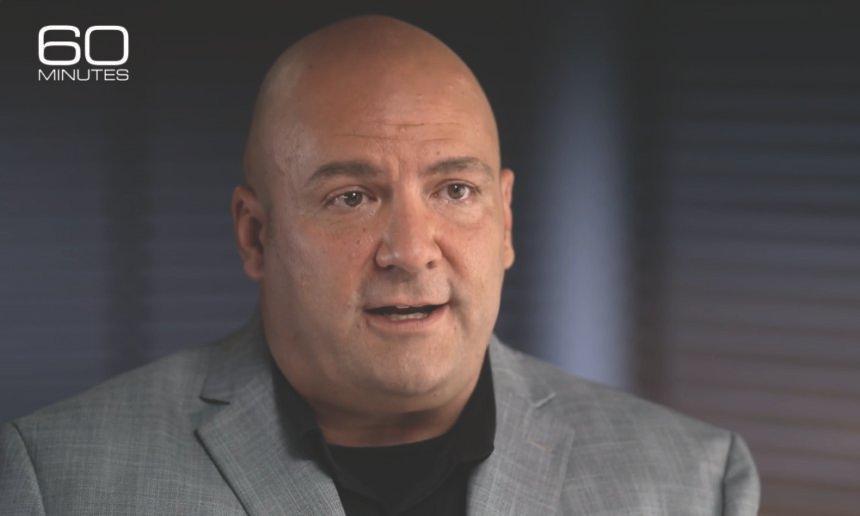
A U.S. Army major who survived the Iranian drone strike that killed six American service members at their base is now coming forward with a damning accusation against the Trump administration — and what he says happened before the attack raises serious questions.
Army Maj. Stephen Ramsbottom, who was injured in the attack along with dozens of others, told CBS’s 60 Minutes that repeated concerns about the base’s vulnerability to drones were raised before the deadly strike — but were effectively brushed aside.
“The protection that was there was to stop car bombs and threats like that,” Ramsbottom told correspondent Norah O’Donnell. “There was nothing there designed to protect from an aerial attack.”
His account directly challenges Defense Secretary Pete Hegseth’s description of the Army Reserve’s 103rd Sustainment Command center at Port Shuaiba in Kuwait as “fortified.” The facility, located roughly 65 miles from Iran, was struck by an Iranian drone in an attack that killed the first six Americans in the war.
Hegseth had characterized the strike as a “once in a while” “squirter” — language that suggested the attack was an unusual breach of otherwise adequate defenses.
Ramsbottom’s account paints a very different picture.
Before the 60 Minutes interview aired Sunday, the major filed a whistleblower complaint with the House and Senate Armed Services Committees, alleging that warnings about the threat of drone attacks were repeatedly raised but went unaddressed at the Pentagon, according to CNN.
He said he brought the vulnerability concerns to his unit commander and Maj. Gen. John Hinson, but never received a response that satisfied him.
“I brought it up twice in various meetings, basically saying, ‘Hey, I don’t see how we’re protected here,’” Ramsbottom told O’Donnell.
The response, he recalled, was: “We don’t have to worry about protection.”
That reassurance looks especially troubling in light of what happened next.
Ramsbottom also offered a blunt description of the facility, saying the base had been described as a “trailer park” — hardly the image of a heavily protected military installation operating within striking distance of Iran.
He did not try to shift all the blame onto senior leadership, either. Instead, he described the failure as one that extended throughout the chain of command.
“I feel this is a tactical failure by the Army, our leadership, and myself, all the way down to my level,” he said. “Yes, we did not plan this well. And this needs to be a lesson that we learn.”
The allegations raise serious questions about whether American troops were adequately protected before the Trump administration launched a war with Iran — and whether warnings from personnel on the ground were taken seriously.
The human cost of the conflict continues to mount. More than 800 Americans have reportedly been wounded and 23 have died, while the war has also driven up prices at home and become a political liability for Trump and Republicans.
Defense Secretary Hegseth has already faced congressional scrutiny over the conflict, including a House effort last week to launch impeachment proceedings. But Ramsbottom’s whistleblower complaint could add another major line of investigation: whether the military failed to protect American service members despite being warned about the danger.
For the families of those killed, and the troops still serving in the region, that is a question that deserves answers.
Watch the segment from 60 Minutes below: