






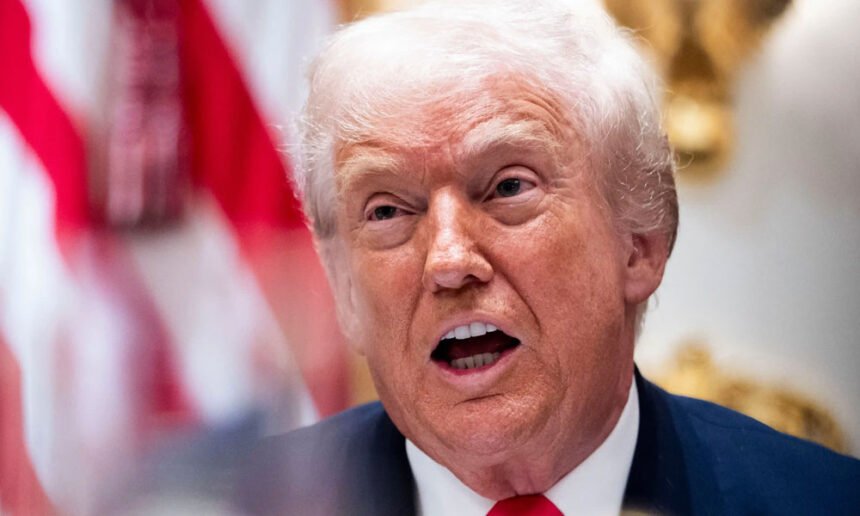
As the conflict between the U.S. and Iran drags on with no clear end in sight, Donald Trump is now demanding Tehran agree to a new non-nuclear deal — years after scrapping the last one.
In a Truth Social post this week, Trump blasted Iran’s leadership, saying the country “couldn’t get its act together” and warning: “They don’t know how to sign a nonnuclear deal. They’d better get smart soon!”
The demand comes with a striking contradiction. Trump withdrew from the Obama-era nuclear agreement — a deal designed to limit Iran’s nuclear program — and is now pushing for a new version under far more volatile conditions.
Meanwhile, the situation on the ground is only getting worse.
According to Reuters and other reports, the administration is preparing for a prolonged economic squeeze, including extending a U.S. naval blockade targeting Iran’s ports and oil exports in an effort to force concessions.
That blockade is already having global consequences, disrupting trade routes and rattling energy markets as tensions choke off key shipping lanes.
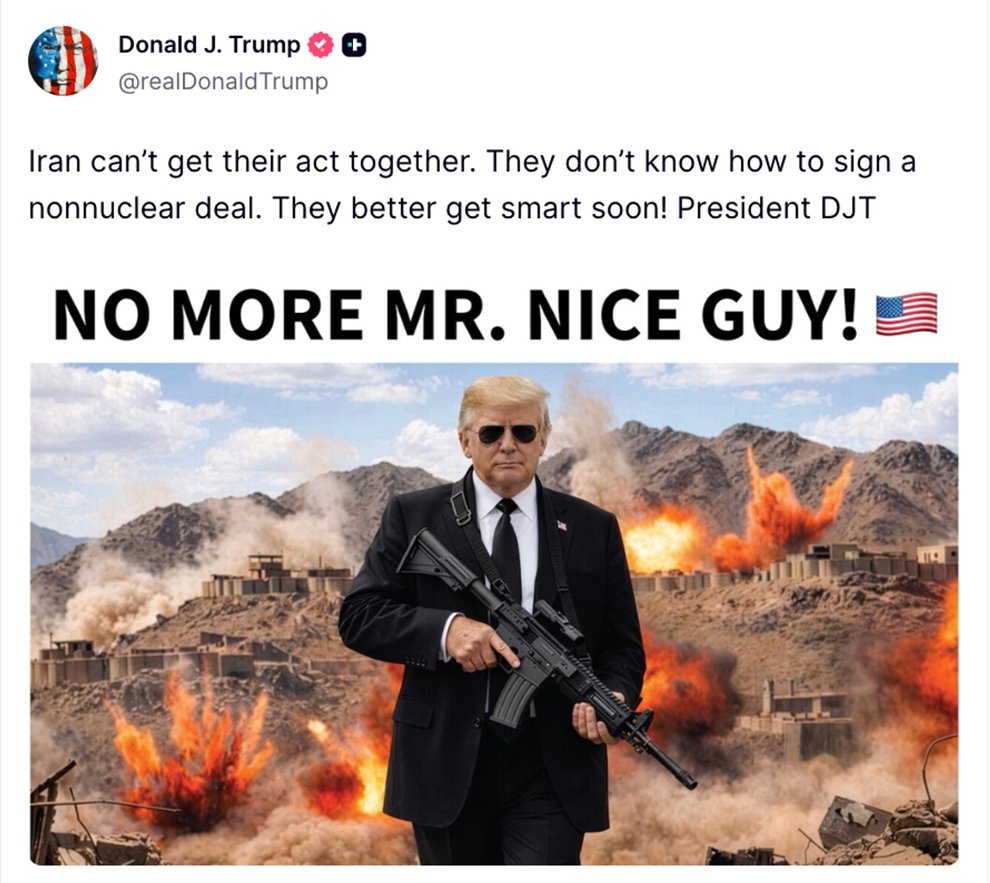
Iran, however, is refusing to fold.
Tehran has made clear it will not negotiate over its nuclear program until the conflict is formally resolved and restrictions on shipping are lifted — a direct clash with Trump’s demand for immediate concessions.
At the same time, Iran continues to maintain a significant stockpile of enriched uranium, raising international concerns about how quickly it could move toward developing nuclear weapons if tensions escalate further.
The standoff has turned into a high-stakes geopolitical crisis.
Fighting and economic warfare have already killed thousands, destabilized global energy supplies, and disrupted critical routes like the Strait of Hormuz — through which a significant portion of the world’s oil normally flows.
Behind the scenes, U.S. officials are weighing next steps, with options ranging from escalating military action to attempting a diplomatic off-ramp — though neither path appears likely to produce a quick resolution.
Meanwhile, critics point out the irony: the same deal framework he once dismantled is now at the center of his demands — only this time, amid a far more dangerous and unstable conflict.