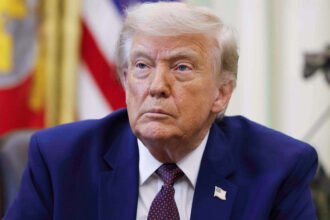








Donald Trump is having a brutal week at the Supreme Court—and he’s absolutely melting down over it.
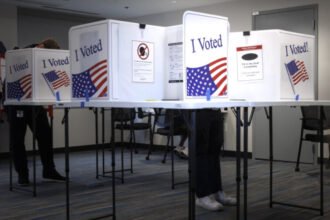
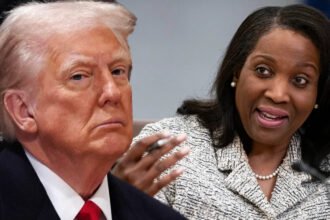
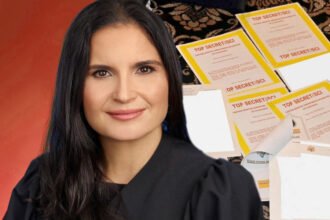
On Monday, the justices handed Trump a series of major legal setbacks. They refused to revive his appeal in the E. Jean Carroll case. They blocked his attempt to fire a Federal Reserve official. They left intact a ruling protecting the counting of legally cast mail ballots that arrive after Election Day under state law. And they also dealt another blow to his agenda on Tuesday by striking down his executive order attempting to end birthright citizenship.
That last election ruling is what really sent Trump over the edge.
Instead of accepting the decision, Trump erupted into one of his trademark Truth Social meltdowns, railing against what he called a “powerful Communist Movement” supposedly sweeping America. He immediately pivoted to demanding Republicans pass even stricter voting laws, the same kind of measures critics say are designed to make voting harder, not elections more secure.
The reason for Trump’s outrage isn’t hard to figure out.
For years, he has built his political strategy around casting doubt on mail voting and trying to disqualify ballots that don’t favor him. Every legally cast vote that gets counted undermines that narrative. And with the midterms approaching, the Supreme Court’s refusal to throw out those ballots closes off another path Republicans had hoped to use to challenge election results after the fact.
That’s why this decision matters.
It isn’t just another Supreme Court loss for Trump. It’s a setback for a broader effort to reshape election rules in ways that could have made it easier to discard legitimate votes and harder for millions of Americans to participate.
Monday’s rulings also underscored a broader reality: even with a Supreme Court that has often ruled in his favor, Trump doesn’t always get what he wants. Whether it’s trying to rewrite the Constitution with an executive order on birthright citizenship or trying to undermine how states count legally cast ballots, there are still limits the Court was unwilling to cross.
Trump’s response also highlights another pattern. He increasingly expects the courts to deliver political victories simply because he demands them. When they do, he celebrates the judiciary. When they don’t, judges suddenly become part of a corrupt system working against him.