








The Trump administration is refusing to release additional records from the Jeffrey Epstein investigation, or explain why it’s keeping them secret, even after a federal judge ordered the Justice Department to do one or the other.
Just hours before a court-ordered deadline, the Justice Department asked U.S. District Judge Emmet Sullivan to throw out the order and just accept the department’s motives for withholding the records.
The request comes after Sullivan ruled last month in favor of journalist Katie Phang, who sued the administration under the Epstein Files Transparency Act—a law signed by President Donald Trump last year that requires the government to publicly release files related to the Epstein investigation.
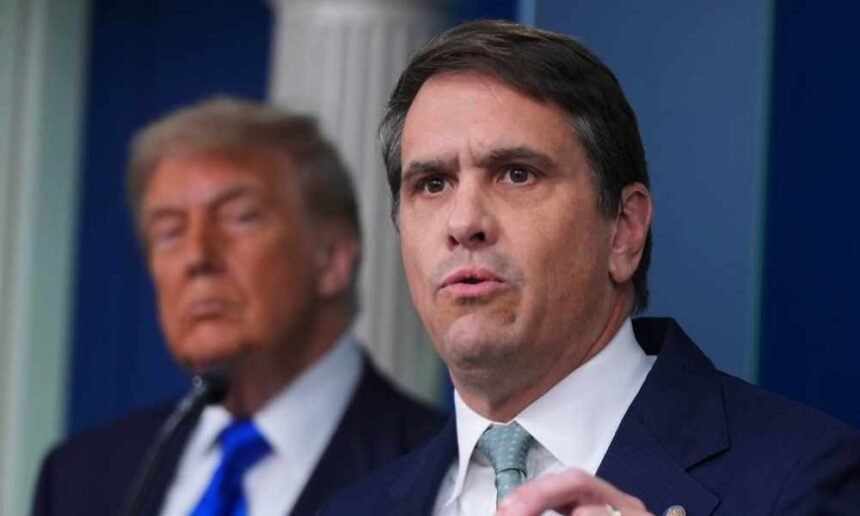
Instead of complying with Sullivan’s order by Thursday, Associate Attorney General Stanley Woodward argued that the Justice Department has done nothing wrong and should not be forced to release additional information.
In the filing, Woodward insisted the department remains “committed to transparency and compliance” but said it “strongly disagrees” with the court’s ruling.
According to the administration, releasing many of the unredacted records would violate existing law, particularly because some documents contain information that could reveal the identities of survivors or expose other protected personal information.
Woodward also argued that handwritten investigator notes are especially difficult to redact without risking accidental disclosure because of technical limitations.
Among the documents still being withheld are interview notes from investigators who spoke with a woman who made unsubstantiated allegations involving Trump. The filing says those handwritten notes were considered duplicative of typed reports already produced.
Trump has not been accused of criminal wrongdoing in connection with Epstein, and appearing in investigative files alone does not imply criminal conduct.
The Justice Department also told the court it cannot locate an unredacted copy of a 2007 draft federal indictment prepared before Epstein ultimately reached a controversial plea agreement in Florida that allowed him to avoid more serious federal charges.
The administration has already indicated it plans to appeal Sullivan’s ruling.
Last month, a Justice Department spokesperson blasted the decision as “perverse,” accusing the judge of encouraging “misleading headlines” and falsely suggesting the department had been ordered to reveal survivors’ identities.
But Sullivan’s order did not require the release of victims’ names. Instead, it directed the Justice Department to justify specific redactions, produce any records supporting those decisions, and publish the redaction log required under the Epstein Files Transparency Act.
Congress passed that law, and Trump signed it in November, requiring the Justice Department to release all records related to the Epstein investigation by Dec. 19.
While the administration has since released millions of pages of documents, critics argue significant records remain withheld, including files involving prominent figures connected to Epstein’s circle.
The controversy has also sparked additional litigation. Earlier this year, survivors of Epstein’s abuse filed a class-action lawsuit accusing the Trump administration of exposing roughly 100 victims’ personal information during the document release while failing to provide the protections they say the law requires.
Now, instead of providing the additional records ordered by the court, or fully explaining why they remain secret, the Justice Department is refusing to comply with a lawful order.