






Trump’s Justice Department thought it had scored a major courtroom victory in its campaign to force states to hand over sensitive voter registration data. Instead, it turns out the department was celebrating nothing more than a judge telling Connecticut to file a response.
Then, the same judge delivered another blow to the administration, handing the DOJ its 16th straight loss in its nationwide voter roll crusade.
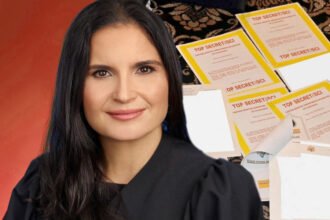
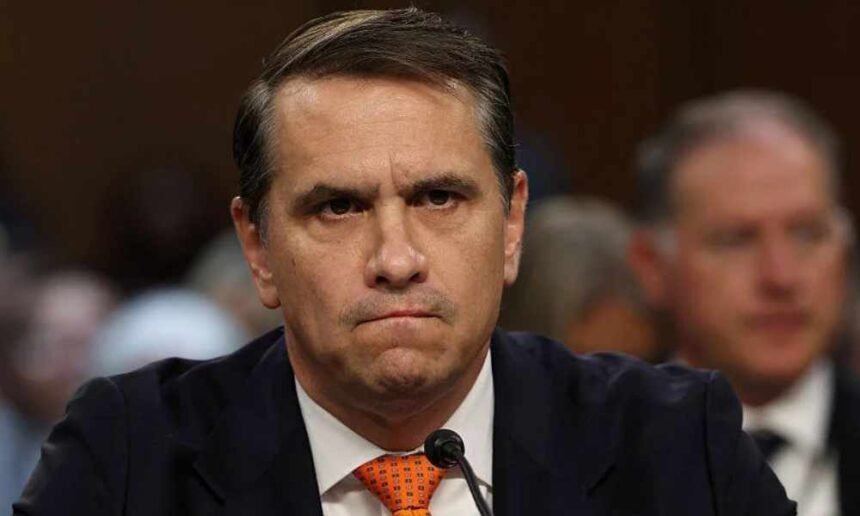
U.S. District Judge Kari Dooley, a Trump appointee, rejected the DOJ’s attempt to force Connecticut to turn over its unredacted statewide voter registration list, ruling that the federal law the department relied on simply doesn’t apply to the records it was demanding.
“The SVRL is a record created by the state,” Dooley wrote. “It is not a record that comes into the state’s possession at all.”
The decision keeps the DOJ’s remarkable losing streak alive. The department is now 0-16 in federal district courts and 0-1 on appeal in its effort to obtain states’ voter rolls. Not a single court has ruled in its favor.
The losses aren’t coming from liberal judges alone, either.
Dooley is now the seventh Trump-appointed judge to reject the DOJ’s legal theory. Add in three judges appointed by former President George W. Bush, and 10 Republican-appointed judges have ruled against the administration’s interpretation of the law, making it increasingly difficult for the DOJ to argue the defeats are politically motivated.
The ruling is especially embarrassing because DOJ officials spent months acting as though they had already won this very case.
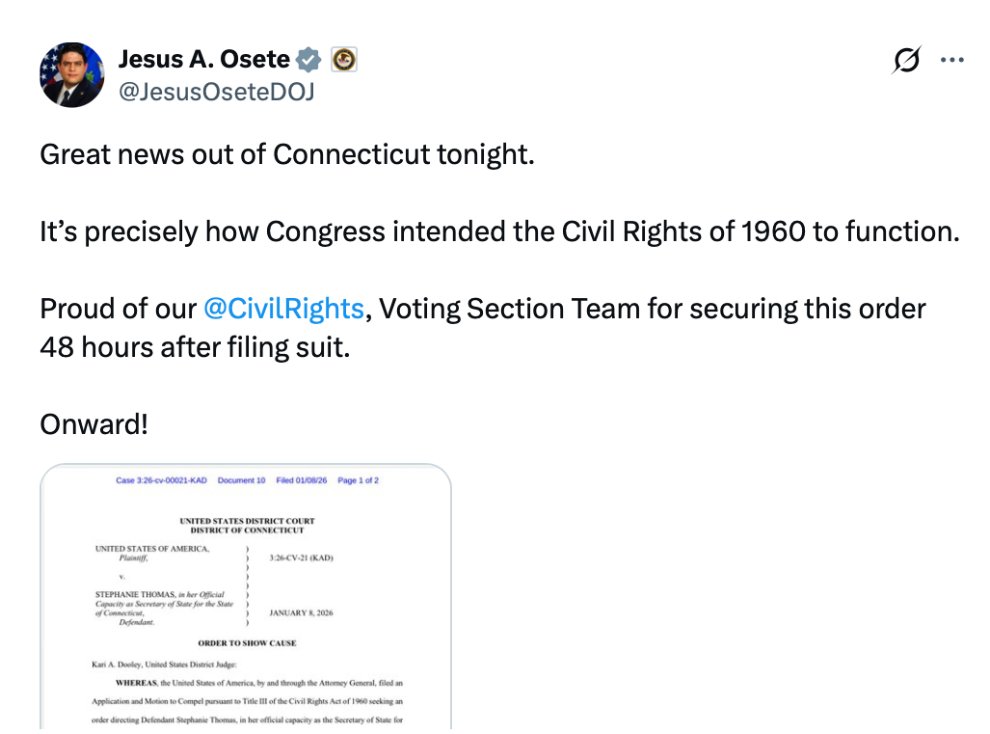
Just two days after filing the lawsuit, Dooley issued what’s known as an order to show cause, directing Connecticut Secretary of State Stephanie Thomas to explain why the state shouldn’t be required to produce the voter file.
It was a routine procedural step. The judge wasn’t ruling for the DOJ or ordering Connecticut to hand over anything. She was simply requiring the state to respond.
But senior Trump Justice Department officials treated it like a landmark courtroom victory.
“Great news out of Connecticut tonight,” Principal Deputy Assistant Attorney General Jesus Osete posted on social media. “It’s precisely how Congress intended the Civil Rights [Act] of 1960 to function.”
Assistant Attorney General Harmeet Dhillon piled on, reposting a message declaring it a “Big win for election integrity in Connecticut.”
“Kudos to the amazing @CivilRights TEAM handling election matters!” she wrote.
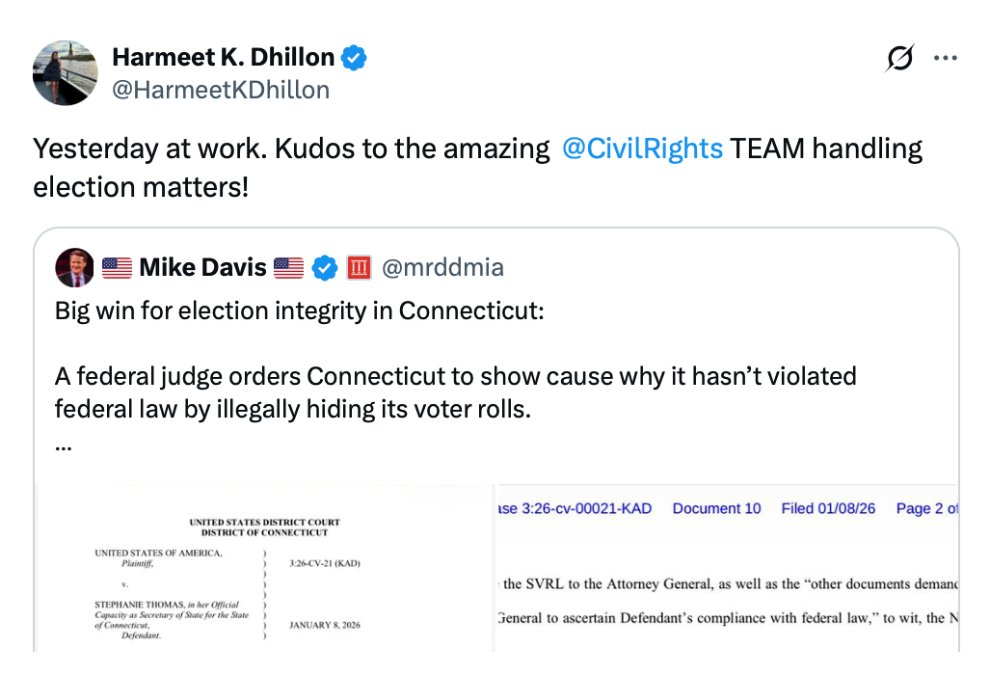
As it turns out, they were celebrating far too soon.
In her final ruling, Dooley acknowledged that her earlier procedural order may have “perhaps unnecessarily injected some confusion” about how the case would proceed.
The confusion, however, appears to have been greatest inside Trump’s own Justice Department.
After reviewing Connecticut’s legal arguments, Dooley ruled squarely against the administration.
She found that Title III of the Civil Rights Act of 1960 applies to records election officials receive and preserve, not to statewide voter databases that election officials constantly create, update and maintain. Accepting the DOJ’s argument, she wrote, would also conflict with other federal laws that require states to regularly add eligible voters, update registrations and remove ineligible ones.
The Justice Department insisted that every other court reaching the same conclusion had gotten it wrong.
Dooley wasn’t persuaded.
“It is a fairly straightforward reading of Title III that compels this result,” she wrote.