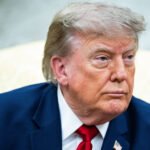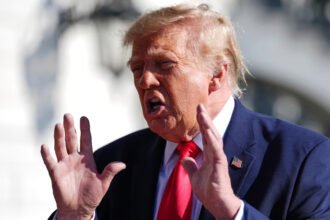









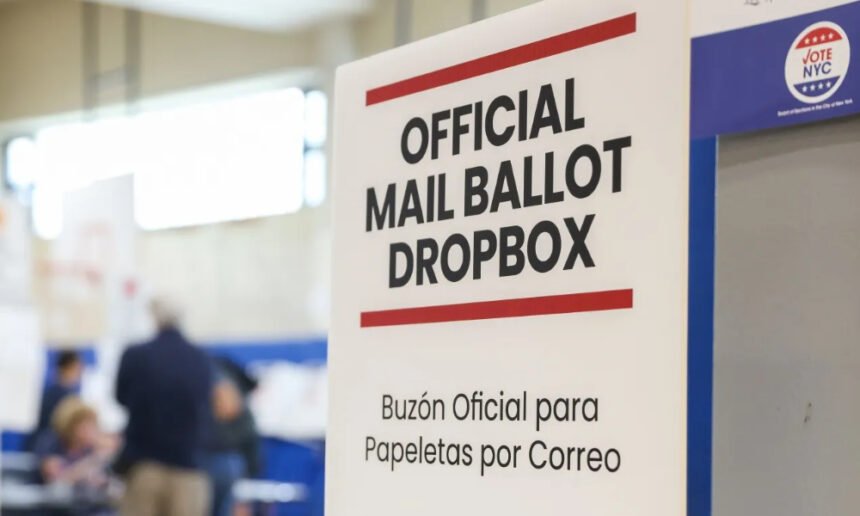
The U.S. Postal Service has issued a “final order” aimed at restricting mail-in voting, moving forward with President Donald Trump’s controversial election order just months before the November midterm elections.
Under the new rule, the Postal Service says it would deliver mail-in and absentee ballots only to states that provide voter information to the Trump administration, MSNOW reports.
That would give the federal government a much larger role in determining which voters can receive ballots through the mail.
But there’s a major obstacle: The rule can’t take effect unless courts lift injunctions blocking Trump’s executive order in California and Massachusetts.
And the Supreme Court could weigh in at any moment.
“If the government obtains timely relief from the injunctions,” the USPS said, implementing the rule would give election officials as much time as possible to prepare for the new requirements ahead of the next election.
The Postal Service’s order requires states to “prepare to submit data” through a federal portal before they can receive mail-in and absentee ballots.
In other words, states would have to hand over voter information to the federal government before the Postal Service would deliver ballots.
Trump has been pushing to restrict mail-in voting for years, despite repeatedly using mail ballots himself.
In March, he signed an executive order requiring states to provide the federal government with lists of voters receiving mail ballots. Under the order, the Postal Service would send mail-in and absentee ballots only to voters appearing on those lists.
That would effectively give the federal government a new gatekeeping role over mail voting.
Two federal courts have already blocked Trump’s executive order. His administration, however, has asked the Supreme Court to intervene quickly and clear the way for the restrictions before the midterm elections.
Now the Postal Service has issued its “final order.”
Whether it actually takes effect could soon be up to the Supreme Court.