







If Republicans were hoping voters would forget about inflation, rising gas prices, and the war in Iran before November, a new poll suggests they’re in for a rude awakening.
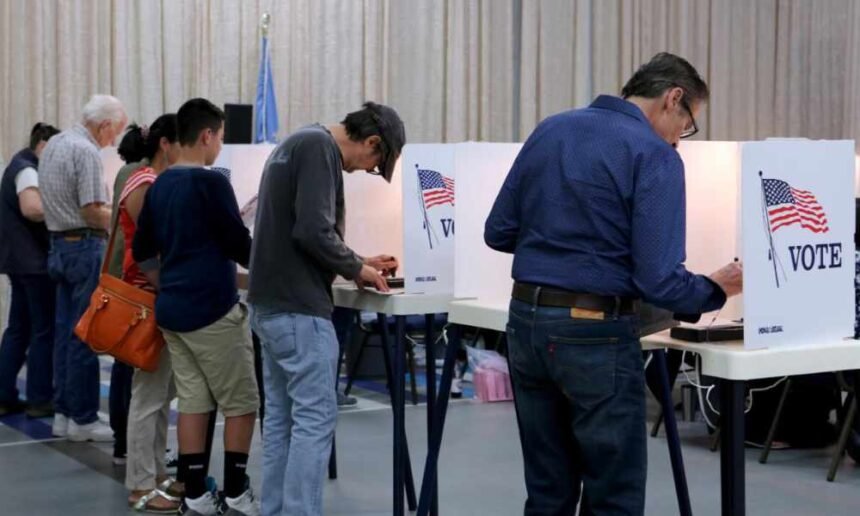
A new Emerson College survey found Democrats now hold a stunning 10-point advantage over Republicans on the generic congressional ballot heading into the midterms—a massive shift from just a few months ago when the two parties were essentially tied.
Even more alarming for the GOP? Independent voters are breaking heavily against them, favoring Democrats by 15 points.
The poll lands as Republicans control the White House, the House, and the Senate, leaving them with nobody else to blame for an economy that many Americans believe is headed in the wrong direction.
That kind of swing doesn’t happen in a vacuum.
Consumer confidence recently plunged to its lowest level on record. Inflation has climbed back above 4 percent for the first time in three years. Nearly six in ten Americans say they feel pessimistic or uncertain about the country’s future.
And voters are connecting those problems directly to Donald Trump.
After campaigning on promises to lower prices, avoid new foreign conflicts, and deliver economic relief, Trump now finds himself presiding over rising inflation, soaring gas prices, and a costly war in Iran that has rattled markets and put pressure on household budgets.
Political scientist Mark Jones says many swing voters who backed Trump in 2024 expecting economic stability are now experiencing something Republicans probably never wanted to hear: buyer’s remorse.
If the numbers hold, Jones says Republicans can kiss the House goodbye.
“The only question,” he argues, “is how large the Democratic majority will be.”
History isn’t exactly on the GOP’s side, either. The president’s party almost always loses House seats in midterm elections, and Trump’s approval numbers are now making that challenge even steeper.
According to the survey, Trump’s approval rating sits at just 39 percent overall—and a dismal 29 percent among independents.
That’s a serious problem when independents are often the voters who decide competitive races.
Yet Trump continues insisting everything is fine.
When asked about inflation this week, the president responded, “I love it. The numbers were great.”
Most Americans appear to disagree.
Trump has repeatedly claimed prices will “come down like a rock” once the war in Iran ends. The problem is that the war hasn’t ended, and voters seem increasingly skeptical that Trump can bring it to a close anytime soon.
The situation is beginning to draw comparisons to another president who won reelection promises only to see economic reality catch up with him: George H.W. Bush.
Bush entered the 1992 election weighed down by economic anxiety and a sense among voters that promises had been broken. Even though conditions improved later, it was too little, too late.
Some political observers believe Trump may be facing a similar dynamic—except with the added complication of an ongoing conflict in the Middle East and inflation moving in the wrong direction.
The economy is still growing, unemployment remains relatively low, and Republicans have months left to change the trajectory.
But voters don’t seem interested in economic statistics right now.
They’re looking at grocery bills, gas prices, and their monthly budgets.
And according to this poll, more and more of them are deciding they don’t like what they see.