








The Trump administration is winding down its controversial immigration enforcement campaign in Minnesota that sparked mass detentions, violent protests and multiple deaths, Border Czar Tom Homan announced Thursday.
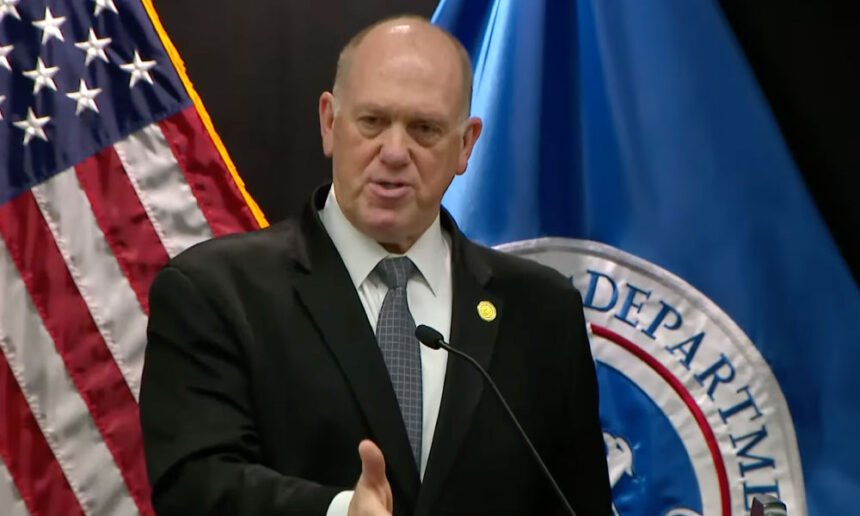
At a press conference in Minneapolis, Homan confirmed that Operation Metro Surge, the largest immigration enforcement operation in U.S. history, will soon conclude with a significant reduction of agents in the state.
“We have proposed and President Trump has concurred, that this surge operation conclude,” Homan said, adding that since Dec. 1 the sweeps around the Minneapolis–St. Paul metro area have led to more than 4,000 arrests. He touted the effort as a success, claiming it has made Minnesota “less of a sanctuary state for criminals.”
The operation, which drew significant national scrutiny, drew explosive protests and criticism from Minnesota officials and community groups. The heavy federal presence, with thousands of ICE and Border Patrol officers deployed, was condemned as an “occupation” by local leaders and civil rights advocates.
Minnesota Governor Tim Walz had suggested earlier this week that the crackdown might end “in days, not weeks and months” after speaking with Homan and senior administration aides, reflecting mounting political pressure and public backlash. Minneapolis Mayor Jacob Frey also said he had a “positive meeting” with Homan as plans for a drawdown took shape.
Two U.S. citizens were fatally shot by federal officers during the enforcement campaign, pushing the operation into the national spotlight and fueling protests. In addition, thousands of residents — including people with no criminal records, children and U.S. citizens — were reportedly detained amid the sweeps, drawing widespread concern about civil liberties.
Last week, Homan announced the immediate withdrawal of 700 federal agents from Minnesota, though thousands remained as part of the broader mission. Thursday’s announcement signals a more comprehensive scaling back that will continue through next week, with Homan saying he will remain in the state to oversee the transition.
Despite the end of this high‑profile operation, Homan emphasized that broader immigration enforcement efforts will continue across the country in pursuit of the administration’s mass deportation agenda.
Local officials welcomed the conclusion of the surge, describing it as a relief for communities that felt the weight of the federal operation. At the same time, Trump’s broader immigration policy remains intact, and federal authorities plan to maintain enforcement activity in ways they say target genuine criminal threats.