







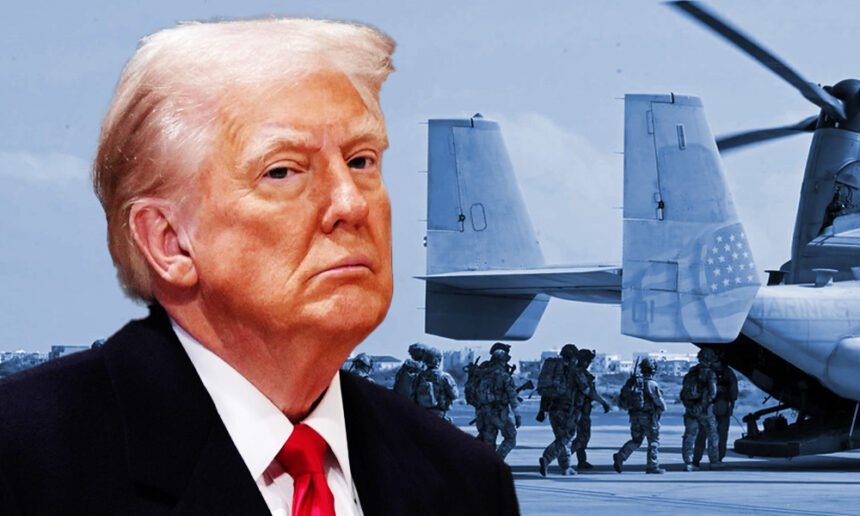
The United States is trimming its presence in NATO command centers across Europe while President Donald Trump ratchets up pressure on allies over Greenland, leaving European officials rattled and questioning U.S. commitment to the transatlantic alliance.
Roughly 200 U.S. positions embedded in NATO operations — including roles in intelligence, special operations, and naval planning — are being shut down as personnel rotate out and are not replaced. Officials told Reuters the cuts are small in number but carry an outsized symbolic weight, especially amid Trump’s public insistence that the U.S. has leverage over Greenland.
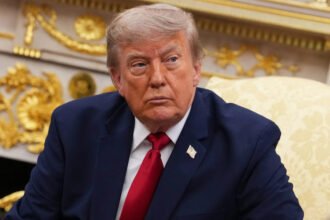
Trump has tied broader alliance cooperation to territorial and economic demands, repeatedly highlighting Greenland and threatening tariffs or other measures if European partners fail to accommodate his positions. While the president claims he is protecting U.S. interests, his approach has unsettled NATO capitals, where officials privately worry that using alliance obligations as bargaining tools undermines trust.
European diplomats note that even small staffing reductions risk disrupting coordination in sensitive areas, particularly intelligence-sharing and rapid-response planning. “It’s not just the numbers; it’s the message,” one official said, referring to the optics of cuts combined with Trump’s public pressure over Greenland.
The tension highlights a larger pattern. Trump has alternated between insisting Europe increase defense spending and demanding concessions on unrelated matters like territorial claims. Analysts say this blurring of military commitments with political and economic leverage is unusual and could erode NATO cohesion over time.
While U.S. officials frame the staffing reductions as routine personnel management, the timing — coinciding with Trump’s Greenland rhetoric — makes it hard for European allies to see the move as anything other than a warning. The combination of public threats and behind-the-scenes reductions has already prompted concern in Berlin, Paris, and Brussels.
Ultimately, Trump’s strategy has turned what should be a stable security alliance into a theater of uncertainty. By linking cuts in NATO positions with his Greenland agenda, the administration has raised questions about the reliability of the United States as a partner and left European capitals bracing for further political and strategic pressure.