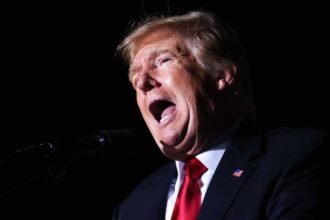







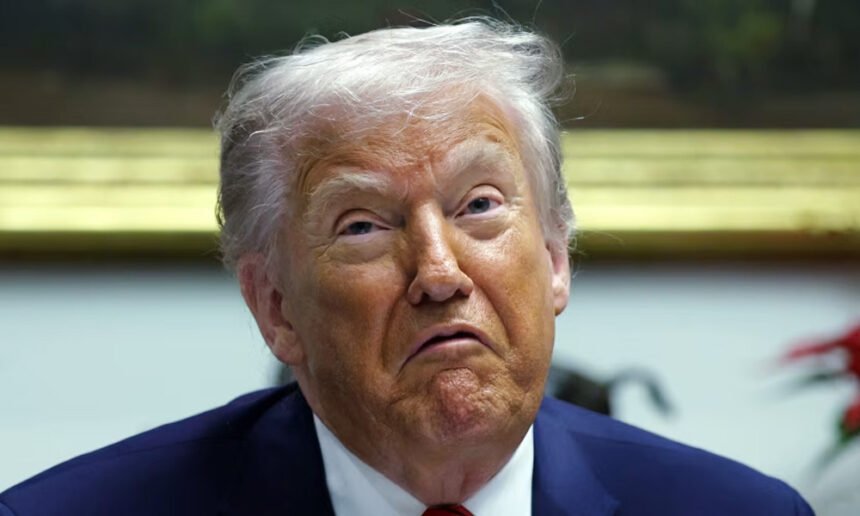
President Donald Trump keeps insisting the economy is “great.” He claims victory on inflation and that anyone who complains is pushing a political “hoax.” But when confronted with the reality of high prices at the gas pump, grocery store, and on utility bills, Trump’s narrative quickly shifts: suddenly, it’s all Biden’s fault.
However, a new Quinnipiac University poll makes it clear that voters aren’t buying his spin. The survey, released Wednesday, found 57 percent of Americans say Trump is more responsible for the current state of the economy, while only 34 percent blame Biden. Ten percent didn’t take a side. That’s a significant gap for a president who has built his political brand on economic prowess.
Trump’s 2024 campaign has centered on cutting costs and lowering inflation. Inflation, which peaked at 9.1 percent in June 2022, fell to 3 percent in January 2025. But that drop hasn’t translated into relief for most Americans. In September, food prices rose 3.1 percent and energy prices climbed 2.8 percent. For families juggling rent, groceries, and utility bills, the pain is real—and voters notice. The Bureau of Labor Statistics is expected to release November inflation data Thursday, giving Americans another fresh snapshot of rising costs.
When pressed on these struggles, Trump’s response is familiar: deflect and mock. In Pennsylvania last week, he dismissed Democratic messaging on affordability:
“They always have a hoax. Their new word is affordability. So they look at the camera and they say, ‘This election is all about affordability,’” he said.
On Truth Social, he continued projecting confidence, announcing a White House address with: “It has been a great year for our Country, and THE BEST IS YET TO COME!”
But voters aren’t fooled. The Quinnipiac poll found that more than six in ten Americans see the cost of living as a very serious problem, while nearly three in ten said it’s somewhat serious. About 30 percent said gas is difficult to afford, 34 percent said electricity is a strain, and 37 percent said groceries are a challenge. These numbers aren’t abstract—they’re everyday realities that affect millions of Americans.
Meanwhile, Democrats are leaning into affordability messaging—and seeing results. In November, campaigns in New Jersey, Virginia, and New York City focused on kitchen-table economic concerns—and won. Voters are paying attention to who addresses what impacts them most.
Trump may insist the economy is thriving and blame Biden for any complaints, but the Quinnipiac poll is unambiguous: Americans hold him accountable. Rising costs are real, and voters aren’t buying his spin.
The survey interviewed 1,035 registered voters from Dec. 11–15 and carries a margin of error of 3.9 percentage points. On the economy, the message is crystal clear: rhetoric doesn’t erase the realities Americans face every day.