








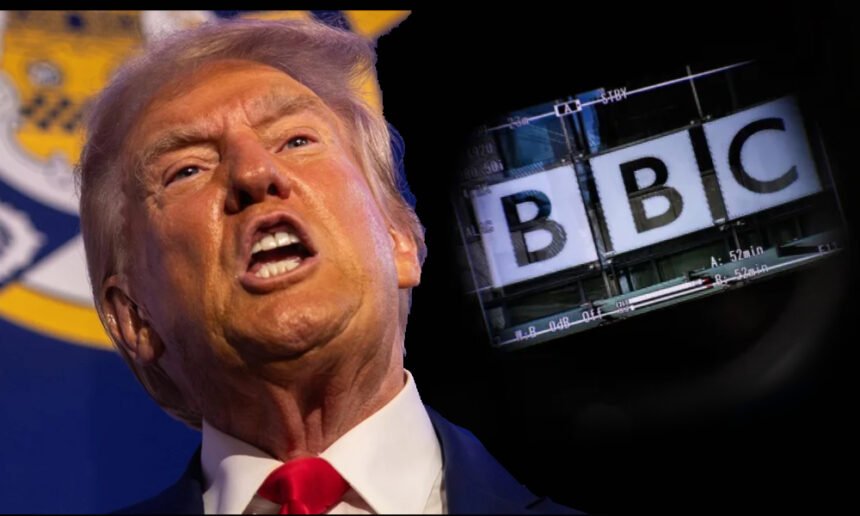
Donald Trump is asking a federal judge to reject the BBC’s request for a discovery hearing, arguing that the broadcaster is being unnecessarily aggressive while the two sides are still supposed to be working out their differences.
In a filing submitted Wednesday, Trump’s lawyers accused the BBC of “prematurely” asking the court to intervene in discovery disputes that they say have not yet been fully narrowed down.
Their basic message to the judge: There’s no need for a hearing. The lawyers just need to finish talking.
And according to Trump’s team, the BBC isn’t exactly making that easy.
The dispute stems from an earlier court order directing both sides to meet and confer in good faith over outstanding discovery requests before asking the court to resolve whatever disputes remained.
The two sides held a telephone conference on Aug. 21 and worked through the BBC’s interrogatories, requests for admissions and requests for documents. According to the filing, they reached agreements—or identified impasses—on a number of the requests.
Trump’s lawyers said they then told the BBC they would prepare a comprehensive written response after consulting with Trump and his legal team.
But they say the BBC didn’t want to wait.
According to the filing, the BBC sent over its portion of a proposed joint motion on Aug. 24, demanded Trump’s portion by 1 p.m. the following day, and then filed its motion unilaterally before Trump’s lawyers had finished preparing their response.
Trump cried foul and sent his lawyers back to court.
“The motion should be denied without prejudice,” Trump’s lawyers argued, asking the court instead to give the parties time to finish the process.
Trump’s lawyers are particularly annoyed by the suggestion that their client has been dragging his feet.
“Plaintiff did not stall,” the filing says.
Instead, they argue, Trump’s lawyers were taking time to finalize their position in writing after the Aug. 21 meeting.
The filing says Trump has already agreed to answer numerous discovery requests and that the BBC has agreed to withdraw others. The remaining disagreements, his lawyers argue, can be reduced to a much smaller set of issues and presented to the judge in a single joint motion if necessary.
Trump’s team also accused the BBC of creating what they called a “manufactured deadline.”
The lawyers say the BBC’s decision to impose a deadline of just over 24 hours, and then file its motion after Trump asked for a few more days, was unnecessary.
The Trump team also takes issue with dozens of requests seeking information about Trump’s brand, businesses, properties, trademarks and licensing arrangements.
Their argument is changing by the day. Trump’s amended lawsuit claims damage to his personal reputation, not his business or brand.
So, they argue, demanding extensive records about the Trump business empire is irrelevant to the claims now before the court.
A $10 billion fight over a BBC edit
The discovery battle is part of Trump’s massive defamation lawsuit against the BBC.
Trump sued the British broadcaster for $10 billion, accusing it of deceptively editing portions of his Jan. 6, 2021, speech in a way that falsely portrayed what he said.
The BBC has apologized for the mistake during edit but denies that it defamed Trump.
The BBC has sought extensive discovery from Trump as it prepares to defend itself.
That includes information relating to damages and Trump’s finances, which has already produced several disputes between the two sides.
Now Trump is asking the judge to reject the BBC’s latest motion to bring those discovery disagreements into court.
For now, that’s where the $10 billion battle stands: Trump says the BBC is being stubborn. The BBC says it needs the court’s help. And the judge will ultimately decide whether the lawyers should keep talking—or start arguing in court.
Read Trump’s full response filed August 26, 2026 here.