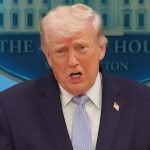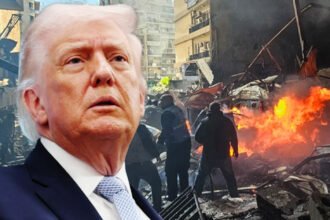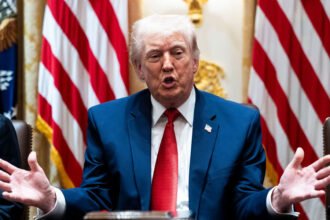







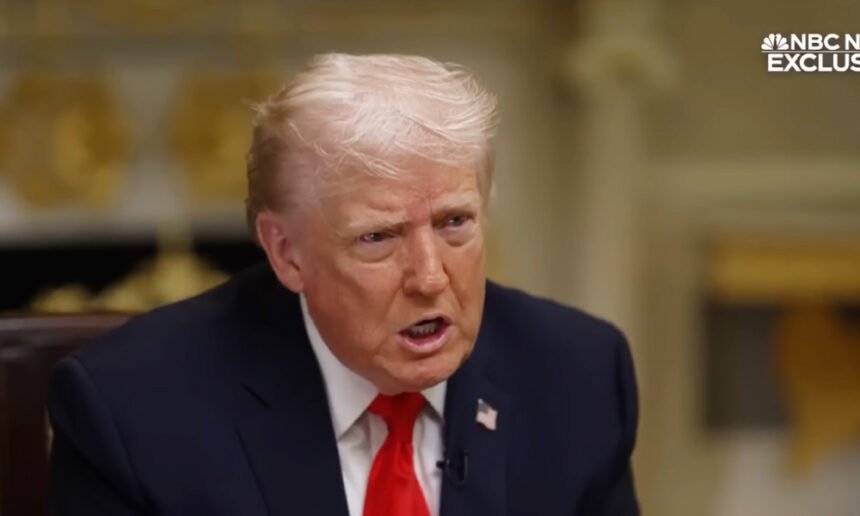
President Donald Trump made yet another eyebrow‑raising comment this week about the future of U.S. elections — and once again, he left half the country convinced he’s undermining democracy before midterms even arrive. In a Wednesday interview with NBC’s Tom Llamas aired in advance of NBC’s Nightly News, Trump said he’ll accept the results of the 2026 midterm elections only “if the elections are honest.”
Asked to clarify whether he would trust midterm results if Republicans lose control of Congress, Trump didn’t offer a flat yes. Instead, he reiterated that his acceptance hinges on his own view of how honest the process was. “I will, if the elections are honest,” the president said in the Oval Office. “Look, the last one that wants to complain … we just had a great election … I believe there was cheating. I think there was cheating. But it was too big to rig.”
That framing — only accepting outcomes he deems fair — immediately triggered a furious reaction from critics across the political spectrum who see it as a direct threat to the core democratic norm of peaceful transitions of power. Some observers described his statement as a warning that he may delegitimize the election results before they’re certified if he doesn’t like them.
Trump also attempted to walk back the idea that he wants to “nationalize” elections — a term he used earlier when suggesting Republicans should “take over” certain state voting processes — but the retraction did little to calm alarm. “I didn’t say ‘nationalize,’” he insisted, even as many saw his comments as clear support for greater federal involvement in state‑run elections.
In the same conversation, Trump revived familiar claims of election corruption by pointing to cities like Detroit, Philadelphia and Atlanta as examples of “unbelievably corrupt” election processes, without offering evidence to substantiate widespread fraud.
Across social media and political circles, reaction was blistering. Critics argue that conditioning acceptance on a personal judgment of “honesty” essentially gives Trump — or any future candidate — a pretext to challenge results he doesn’t like.
Democrats and election experts warned that such rhetoric, particularly from a president, could deepen mistrust in electoral institutions and potentially lay the groundwork for future challenges if Trump’s preferred outcomes don’t materialize. Conservative academics and historians have made similar points in the past, noting that public confidence in elections is crucial for democratic stability.
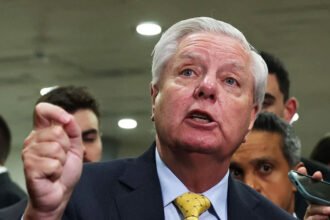
Even within Trump’s own party, some lawmakers have pushed back against broad claims of fraud in past elections, though many Republicans continue to avoid fully repudiating them.
Trump’s interview touches on a longstanding theme of his political playbook: highlighting alleged corruption or unfairness in elections when convenient and framing dissenting outcomes as potentially illegitimate.
Watch the clip below: