




Nothing says “problem solved” like inviting the people you’ve squeezed the hardest to the White House and telling them they should be thankful for it.
That’s essentially what unfolded Friday, when Donald Trump gathered a crowd of farmers—hit hard by his own tariff policies and soaring fuel and fertilizer costs—and tried to sell them on the idea that he’s their savior.
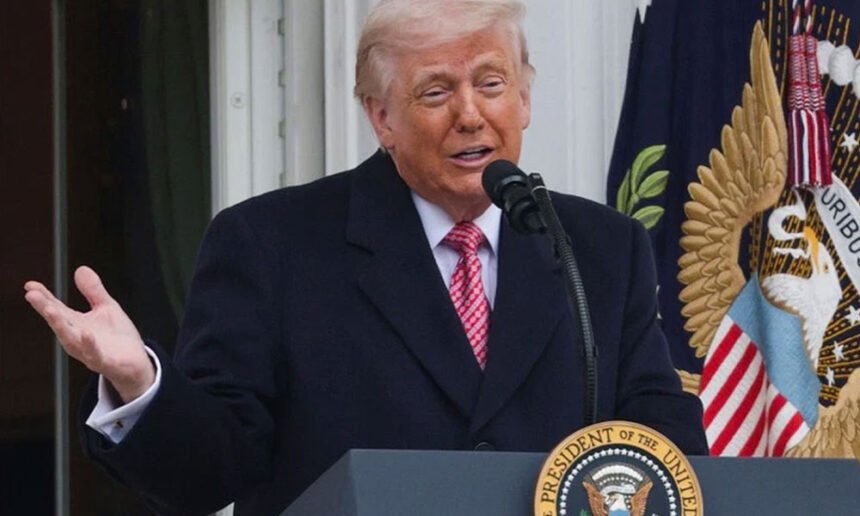
One month into an economic mess that has driven up core farming expenses, Trump stepped onto the Truman Balcony and tried to sell a different story:
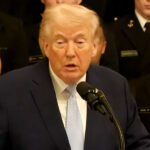
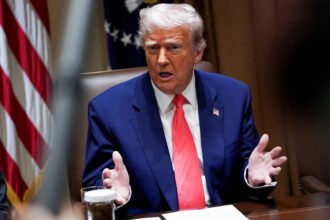
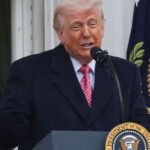
Standing on the Truman Balcony, he boasted about hosting what he called “the single largest gathering of American farmers that the White House had ever seen,” and pitched a slate of policies he claimed would help them survive the financial strain—much of it tied directly to decisions he made.
Then came the rewrite of history.
Trump insisted farmers had been “crushed” under Joe Biden, accusing his predecessor of “crippling the American agriculture industry with brutal restrictions” and failing to secure trade deals. In Trump’s telling, farmers now “once again” have “a true friend and champion in the Oval Office.”
That “champion,” notably, is the same president whose tariffs helped trigger the very bailout he’s now bragging about.
Because moments after claiming farmers “do not want handouts” and just want “a level playing field,” Trump pivoted—hard—into celebrating the billions his administration handed them to offset losses from those tariffs.
“We’ve taken in hundreds of billions of dollars from the tariffs. And as I said, we gave you $12 billion in farm relief… because you were hurt,” he said.
So, to recap: farmers don’t want handouts—except for the ones he’s proudly giving them to fix the damage from his own policies.
And even that claim doesn’t hold up cleanly.
The $12 billion relief package Trump touted didn’t actually come from tariff revenue. It was funded through the Commodity Credit Corporation, a government entity that can borrow tens of billions from the Treasury and private lenders to stabilize farm income. Translation: taxpayer-backed money, not some windfall from tariffs.
It’s also not new territory. During his first term, Trump shelled out $28 billion in similar aid to farmers burned by his trade wars—just in time to keep political support from collapsing.
The speech didn’t exactly tighten up from there.
Trump veered into a rambling stretch about farm equipment, blaming environmentalist “terrorists” for making machinery more complex, before pivoting again to praise new renewable fuel rules that promote corn-based ethanol—while simultaneously attacking environmental policies.
He promised the changes would “generate over $10 billion of rural economic benefit” and create 100,000 jobs, all while rolling out “massive new loan guarantees” for farmers.
Then, in classic fashion, the event swerved off the rails entirely.
A mention of Minnesota triggered a rant about Governor Tim Walz, whom Trump called “crazy,” and Attorney General Keith Ellison, labeled a “dirty cop.” He then escalated into a bizarre claim about “taking back” the state “from Somalia,” followed by a rambling attack on the country itself.
“Somalia is considered the worst… they come over here, and they steal $19 billion,” Trump said.
And just like that, a speech meant to reassure struggling farmers turned into something else entirely: a mix of self-congratulation, contradictions, and grievances—delivered to an audience still dealing with the fallout.