







A prominent medical analyst and former presidential physician is now openly calling for Congress to investigate Donald Trump’s fitness for office — and he wasn’t coy about why.
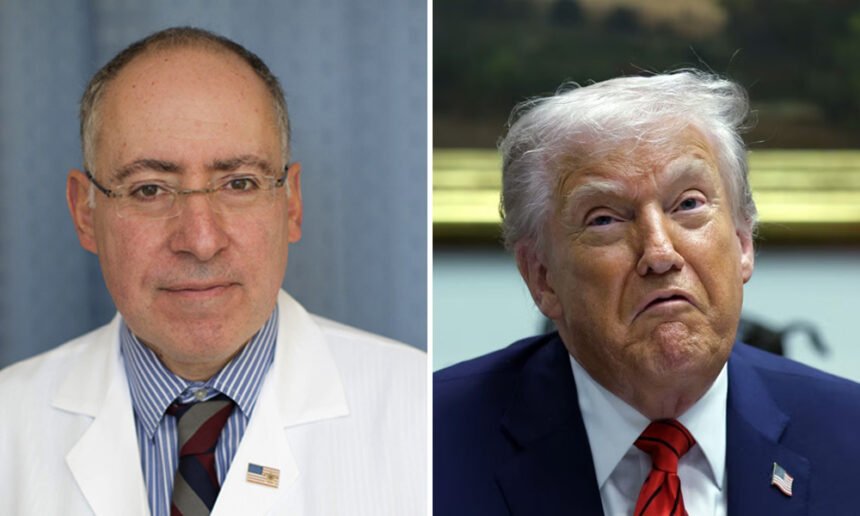
Dr. Jonathan Reiner, a cardiologist who once served Vice President Dick Cheney and now regularly appears on CNN, took to X on Monday to say Trump’s recent behavior — capped by the extraordinary letter to Norway’s prime minister — should prompt a bipartisan congressional inquiry into the president’s mental and physical condition.
Reiner’s message isn’t couched in euphemism. “This letter, and the fact that the president directed that it be distributed to other European countries, should trigger a bipartisan congressional inquiry into presidential fitness,” he wrote.
That letter — reportedly shared with multiple European governments — included Trump’s claim that not winning the Nobel Peace Prize justified shifting his focus away from peace toward what he insists is a security imperative involving Greenland. Critics seized on the communication as yet another sign of erratic presidential conduct.
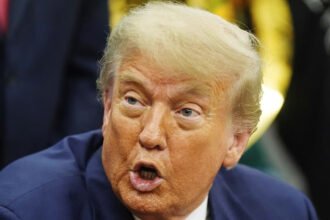
Reiner’s concern is rooted in more than just rhetoric. On X, he also highlighted what he sees as troubling signs in Trump’s recent public appearances — including episodes where the president appeared to nod off in official settings. “The president seems to be struggling with excessive daytime somnolence… Repeatedly falling asleep with a dozen people surrounding your desk is not normal,” the physician wrote.
Trump’s health has been a recurring issue ever since he turned 79, with Reiner and other medical observers scrutinizing the president’s explanations about his health care, medication use and public demeanor. For instance, Reiner previously criticized the White House’s claim that Trump underwent a “preventive MRI,” calling that characterization medically questionable.
Beyond the Greenland letter, the broader pattern of what some describe as “manic” behavior — rapid speech pacing during addresses, shifting tones and an emphasis on personal slights — has fueled growing unease among critics. In one reported instance, Reiner told CNN that Trump’s delivery during a national speech was so agitated and frantic that it raised serious concern, noting it was “disturbing” given the president’s role.
It’s rare in modern Washington for such an explicit call to weigh presidential fitness to come from a figure with direct medical credentials. While Trump’s allies dismiss such critiques as partisan gamesmanship, the medical analyst insists that persistent, observable behaviors — beyond just policy disagreements — warrant congressional oversight.
Reiner’s demand arrives at a moment when Trump’s conduct, from Greenland fixation to healthcare and behavior in public forums, has repeatedly become fodder for national debate and media scrutiny. Whether lawmakers will heed his call for a formal inquiry — especially one crossing party lines — is another question entirely, but the fact that a call for a constitutional or oversight investigation is being voiced so publicly marks a notable escalation in the political discourse surrounding the president’s condition.