









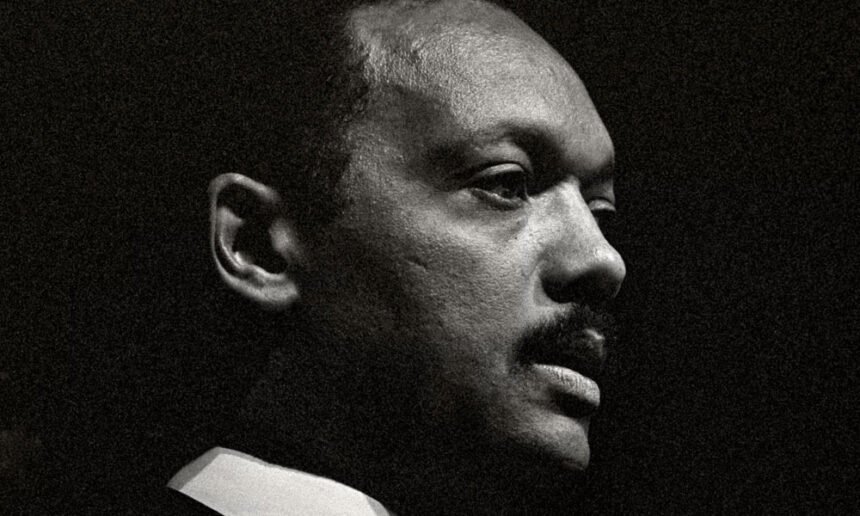
Civil rights legend Rev. Jesse Jackson has died at the age of 84, his family announced Tuesday, marking the end of a life that helped shape modern America’s struggle for justice and equality. His passing was confirmed in a family statement shared online, and he died “peacefully… surrounded by his family,” according to relatives.
Jackson — a Baptist minister, activist and one of the most recognizable figures of the post-King civil rights movement — first rose to national prominence in the 1960s as a protégé of the Rev. Martin Luther King Jr. In Chicago and across the country, he organized protests, led voter registration drives, and helped give voice to communities that had long been marginalized.
His family’s statement described him as “a servant leader — not only to our family, but to the oppressed, the voiceless, and the overlooked around the world.” They urged the public to “honor his memory by continuing the fight for the values he lived by.”
Jackson’s impact didn’t stop at grassroots activism. In 1971, he founded Operation PUSH, which later merged with the National Rainbow Coalition to create the Rainbow PUSH Coalition, a force in civil rights advocacy, economic justice, and political mobilization for decades.
He also broke barriers in national politics. Jackson launched historic campaigns for the Democratic presidential nomination in 1984 and 1988, becoming the first African American to mount a serious bid for the White House and energizing Black voters and progressive activists long before Barack Obama’s rise. Though he never captured the nomination, his campaigns expanded the political opening for future leaders and underscored racial and economic inequality in the American political landscape.

In later years, Jackson continued to advocate for justice around the globe. He engaged in diplomatic missions, worked on issues from apartheid in South Africa to prisoner releases overseas, and remained a visible voice at protests and political events well into the era of movements like Black Lives Matter.
His final years were marked by serious health struggles. Jackson first announced a Parkinson’s disease diagnosis in 2017, and in recent years his condition progressed to progressive supranuclear palsy, a rare neurodegenerative disorder his family said he had battled for over a decade.
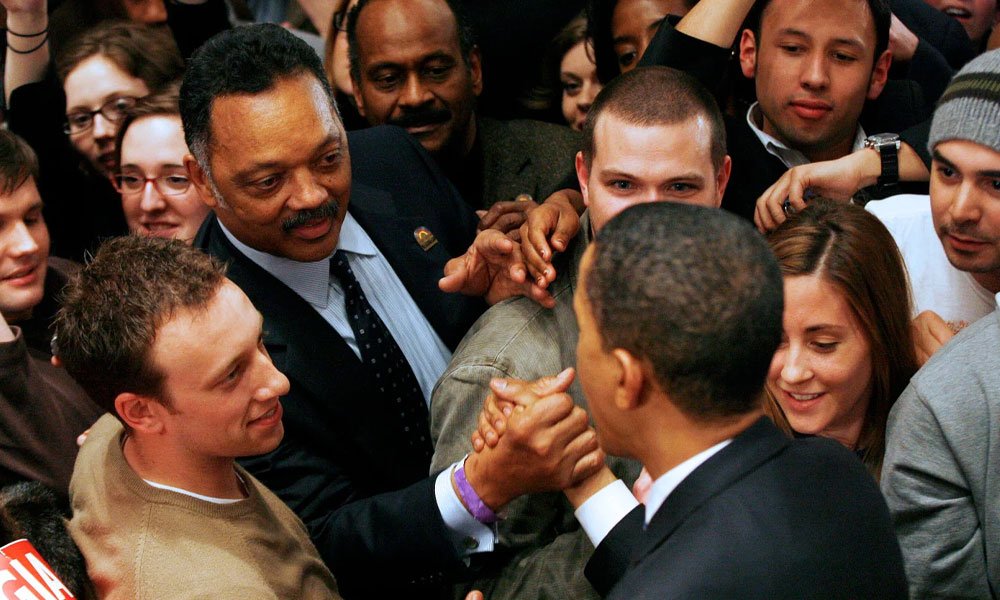
Across civil rights organizations, political circles and around the world, tributes poured in after news of his death. British political figures, recalling his decades of support for racial equality in the UK, called him “a direct connection to the great era of civil rights,” emphasizing his longstanding global influence.
Jackson is survived by his wife, Jacqueline, his six children — including Jesse Jackson Jr. and Jonathan Jackson — several grandchildren, and a legacy that stretched far beyond any individual title or campaign.
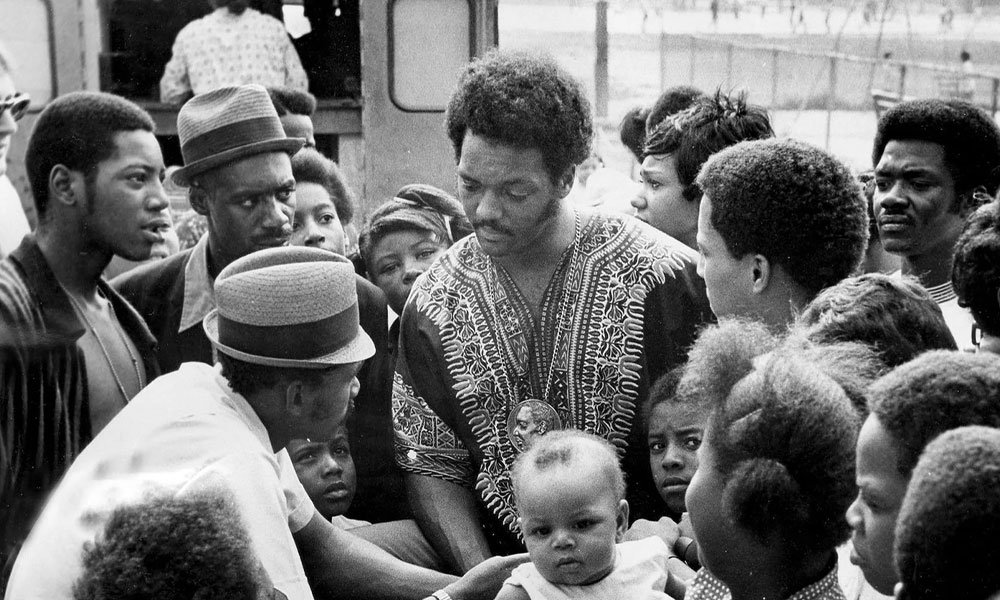
As the nation marks his passing, many figures across history and politics have echoed a simple message: Jesse Jackson was more than an activist — he was a force that helped reshape the fight for justice in America and beyond.