






President Donald Trump is not backing off. If anything, he’s escalating.
Days after the United States launched a strike on Venezuela and forcibly removed President Nicolás Maduro and his wife, Cilia Flores, Trump used the confines of Air Force One to widen the blast radius—this time aiming at Colombia, Mexico, Cuba, and even Greenland.
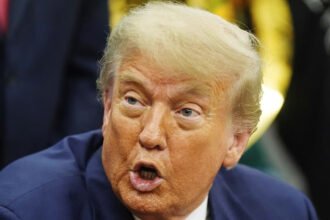
Colombia was first in the crosshairs. Asked about the country, Trump didn’t mince words, calling it “very sick,” and saying it was “run by a sick man, who likes making cocaine and selling it to the United States.”
When a reporter followed up by asking whether a military operation there was on the table, Trump didn’t hesitate: “It sounds good to me.”
Mexico wasn’t spared either. Trump warned the U.S. neighbor to “get their act together,” adding, “We’re going to have to do something,” though he said he hoped Mexico would act first.
He also brushed off Cuba’s stability, suggesting the government there could collapse without American boots on the ground.
“I don’t think we need any action; it looks like it’s going down,” Trump said.
Then came Greenland—again. Despite repeated objections from leaders in the region, Trump doubled down on his long-running fixation.
“We need Greenland,” he insisted.
All of this came as Trump made clear that Venezuela is still very much in his sights. While a new administration attempts to project calm, Trump openly threatened more force.
“If they don’t behave, we will do a second strike,” he said, adding that sending troops into Venezuela “depends” on how the new leadership conducts itself.
Those comments landed as backlash grows in Washington over the legality of the initial strike and the extraordinary decision to kidnap a sitting head of state. Lawmakers from both parties have raised alarms about executive overreach and the lack of congressional authorization.
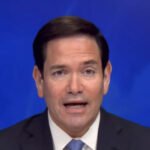
On Sunday morning, Secretary of State Marco Rubio tried to contain the damage. Appearing on CBS’s Face the Nation, he walked back Trump’s earlier comments suggesting the U.S. was now running Venezuela, saying Washington’s role would be limited to enforcing an oil quarantine.
“That’s the sort of control the president is pointing to when he says that,” Rubio said.
But by Sunday night, Trump was back at it—this time with no soft edges.
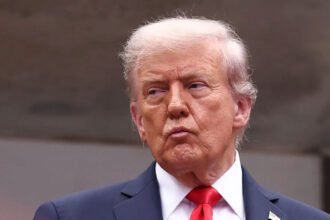
“Don’t ask me who’s in charge because I’ll give you an answer, and it’ll be very controversial,” Trump told reporters. “It means we’re in charge.”
According to a report from The New York Times, the spark that may have pushed Trump over the edge was not a military move or diplomatic slight—but a dance.
The paper reports that some within Trump’s inner circle believed Maduro was mocking the president with his dancing and “other displays of nonchalance.” That perceived disrespect, the report says, helped push the administration to follow through on its threats, ending with Maduro’s arrest and transport to New York on drug trafficking charges.
Before his capture, Maduro appeared at a public event in Caracas, dancing on stage and chanting “peace forever, not crazy war,” shortly after the U.S. struck a Venezuelan dock it claimed was being used for drug trafficking.
What followed was anything but peaceful.
Now, as Trump fires off threats across the hemisphere and revives old territorial ambitions, his presidency is entering a louder, more dangerous phase—and it’s being driven as much by personal grievance as by policy.
Watch Trump’s full interview below: