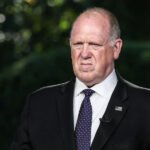






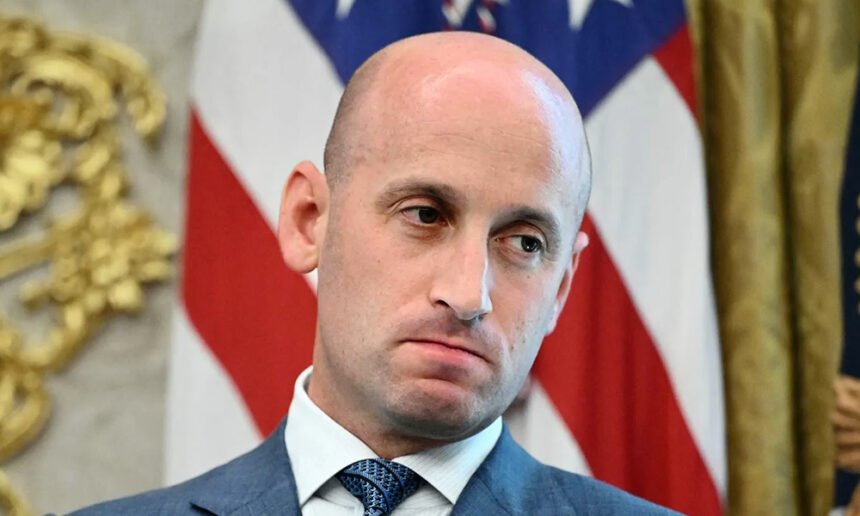
Stephen Miller, the White House’s infamous immigration hardliner, finally blinked. After days of mounting outrage over the fatal shooting of Alex Pretti in Minneapolis, Miller admitted Tuesday that federal agents “may not have been following” the protocol — a rare public shift that reads less like accountability and more like desperate finger-pointing. The man who once labeled Pretti a “would-be assassin” is now signaling that the deadly shooting may have resulted from agents breaking the rules.
The admission is a rare crack in a façade built on aggression, fear, and incendiary messaging. It comes after days of mounting outrage over DHS and ICE statements labeling Pretti a “would-be assassin” and claiming he intended to “massacre” law enforcement. Video footage from the scene contradicted the administration’s claims, showing Pretti being confronted and disarmed before he was shot, sparking bipartisan fury and questions about how much truth, if any, the administration’s narrative held.
Miller, long the voice of the Trump administration’s aggressive immigration policy, now appears on the defensive. He told Axios that early statements “were based on information sent to the White House through CBP” and stressed that the extra federal personnel sent to Minneapolis were intended to “create a physical barrier between the arrest teams and the disruptors” — not to engage protesters directly. “We are evaluating why the CBP team may not have been following that protocol,” he admitted.
The concession is seismic. Miller’s language signals a retreat from the administration’s original story, which framed Pretti as an imminent threat. It also highlights the chaos inside the White House, where conflicting reports and missteps in communication have left senior officials scrambling to clean up a narrative that didn’t survive video scrutiny.
Pretti, 37, was killed by federal agents during a Minneapolis immigration operation, which had already drawn national attention following the fatal shooting of Renee Good earlier this month. Local leaders, activists, and even some Republicans criticized the administration’s aggressive language and tactics, making Miller’s admission an attempt at damage control as impeachment and congressional oversight chatter grows louder.
The White House initially doubled down, with Press Secretary Karoline Leavitt defending Miller as one of Trump’s “most trusted and longest-serving aides,” insisting he acted in good faith. But the optics are brutal: a hardline architect of immigration policy publicly acknowledging that agents may have ignored instructions, while his own words branded a man “assassin,” looks less like accountability and more like panic.
Miller’s statement also exposes fractures in messaging between DHS, ICE, and the White House. Officials reportedly tried to edit the DHS statement before release, but by then it had already gone public, spreading confusion and inflaming outrage.
Observers say this is a stunning sign of stress from a figure who has long wielded fear as policy. Miller’s retreat doesn’t erase the deaths of Pretti and Good, but it does make clear that even the Trump administration’s top hardliners are not immune to political and public pressure.