


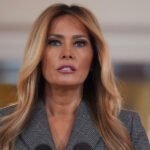




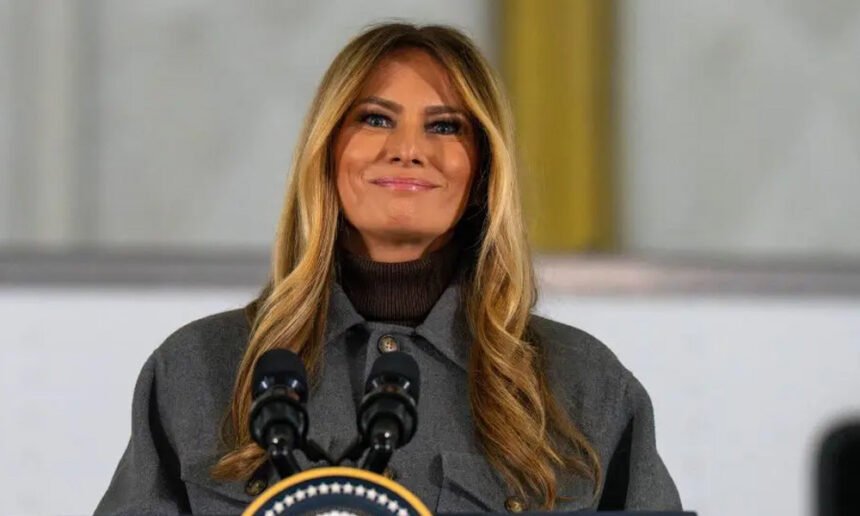
First Lady Melania Trump just gave the White House Easter Egg Roll a full‑blown MAGA makeover. For the 148th annual event, she’s layering on freshly rebranded “patriotic” themes meant to honor America’s 250th birthday. But beneath the bunting and wooden eggs lies the same old Trump tendency to turn even family traditions into political theater.
The 148th annual Easter Egg Roll — a staple on the South Lawn since Rutherford B. Hayes first welcomed kids to roll eggs back in 1878 — is scheduled for Monday, April 6, 2026. This year’s version, according to a White House press release, will be packed with overtly patriotic themes designed to celebrate the nation’s independence.
Melania’s tweaks to White House traditions are nothing new. From the infamous red Christmas trees to the controversial destruction of the Rose Garden, critics have repeatedly accused her of using her role to radically reshape historic spaces in ways that are flashy, divisive, or just plain puzzling. Now, the Easter Egg Roll is the latest flashpoint.
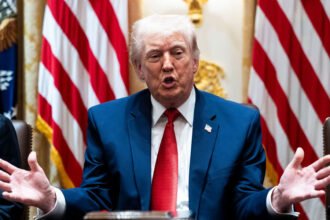
Melania and President Trump are pitching it as a “memorable experience,” but a closer look shows it’s anything but your average egg hunt. Tickets, which are free, won’t be handed out at the gate: attendees must enter an online lottery that opens February 26 and closes March 4. Winners will be notified by email by March 10. Volunteers for the event are also being selected through an online application — a digital bureaucracy for what used to be a grassroots lawn party.
The White House says there will be the traditional set of five wooden commemorative eggs handed out — a collectible keepsake for families — but tailored this year with a 250th‑anniversary flair. That’s standard practice for Easter Egg Rolls: past first ladies have historically added their own stamp on the event, from races to music to special decorations.
But this iteration arrives at a politically loaded time. The 250th anniversary is being woven into everything this administration touches — press releases, celebrations, and now even a kids’ holiday event — feeding a broader pattern of turning national traditions into propaganda pieces.
Of course, not everyone sees this as wholesome family fun. Social media chatter and online discussions about previous Easter Egg Rolls under this administration have highlighted concerns about commercialization, corporate sponsorships, and what critics call overt political branding creeping into what was once apolitical territory. That criticism, while not part of this specific announcement, hangs over any White House‑hosted event in the Trump era.
Love it or roll your eyes at it, the Easter Egg Roll for 2026 is shaping up to be a flag‑laden spectacle rather than a quiet, egg‑tapping romp for kids. With lotteries, patriotic themes, and commemorative souvenirs, this year’s version feels less like a childhood tradition and more like a spotlight for a White House hungry for pageantry and headlines.