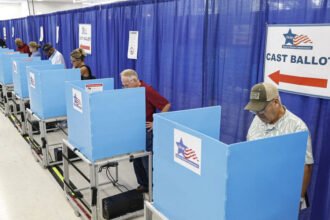








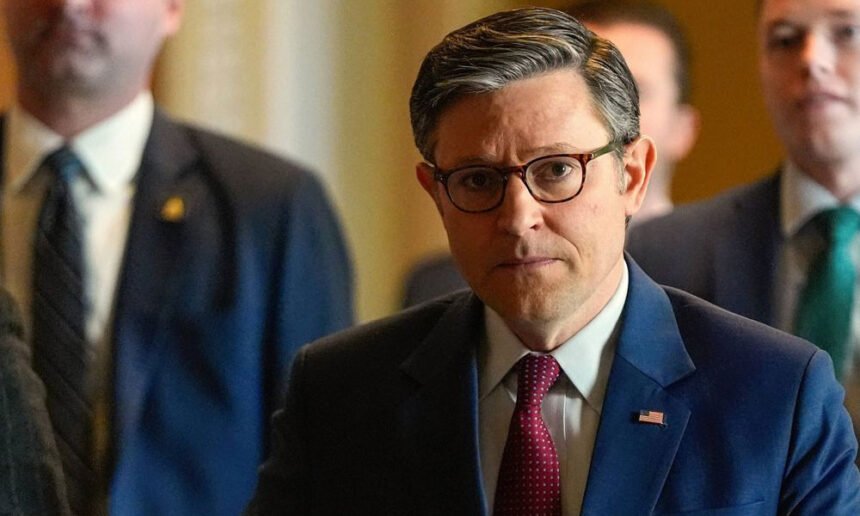
An unprecedented number of House Republicans are fleeing Congress, complicating Speaker Mike Johnson’s bid to fend off a potential blue wave in the 2026 midterms and preserve his razor-thin majority.
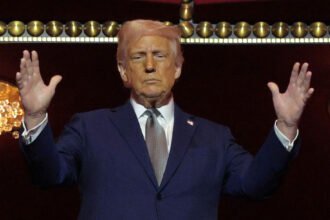
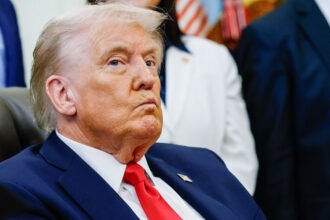
The historic wave of retirements is unfolding against a backdrop of mounting political chaos, as internal dysfunction collides with the turbulence surrounding President Trump’s second term.
At least 36 House Republicans have announced plans to leave Congress, surpassing the previous record set in 2018 and signaling deep unease within the party. While retirements are not unusual ahead of midterms, the scale and timing of this exodus reflect broader instability—both within Congress and across the Republican political landscape.
Much of that instability is being driven by a series of overlapping crises created by Trump. His aggressive and often unpredictable tariff policies have rattled markets and complicated economic messaging, while the ongoing war in Iran has exposed sharp divisions within the GOP and strained the party’s traditionally cautious stance on foreign entanglements. The conflict has already sparked backlash among conservatives and raised concerns about strategy, costs, and credibility.
At the same time, the continued fallout from the Epstein files has fueled bipartisan distrust and conspiracy-laden infighting, with lawmakers and voters alike questioning transparency and accountability. The release of millions of documents—and the lingering perception that key information may still be withheld—has only deepened public skepticism toward political elites
Compounding these tensions are a series of headline-grabbing controversies that have reinforced a sense of disorder in Washington. Trump’s fixation on symbolic gestures—such as proposals to place his name on national monuments and even redesign elements of U.S. currency to include his image and signature—has drawn criticism from both parties, with some Republicans privately expressing frustration that such moves distract from legislative priorities and policy coherence.
Within Congress, these external pressures are exacerbating long-standing frustrations about gridlock and polarization. Lawmakers from across the ideological spectrum describe an institution increasingly incapable of functioning effectively, where major legislation stalls and internal divisions overshadow governance. For some, the combination of congressional dysfunction and a volatile national political environment has made continued service less appealing—or less tenable.
Many departing Republicans are not exiting politics entirely but are instead seeking offices they believe offer greater autonomy or impact, including gubernatorial and Senate bids. Still, their departures leave behind a leadership vacuum at a critical moment, particularly as Republicans attempt to defend a narrow House majority in a historically difficult midterm cycle for the president’s party.
The consequences are already being felt. Attendance issues have complicated key votes, and party leaders face growing challenges in maintaining discipline and unity. With fewer experienced lawmakers and more members focused on future campaigns, the day-to-day mechanics of governing have become even more strained.
Political observers note that such a large-scale departure often signals more than routine turnover—it reflects a loss of confidence in the institution itself. In this case, that erosion appears tied not only to Congress’s internal dysfunction, but also to the broader uncertainty surrounding Trump’s presidency, where shifting policies, geopolitical conflict, and persistent controversies have created an unusually volatile governing environment.