




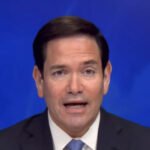


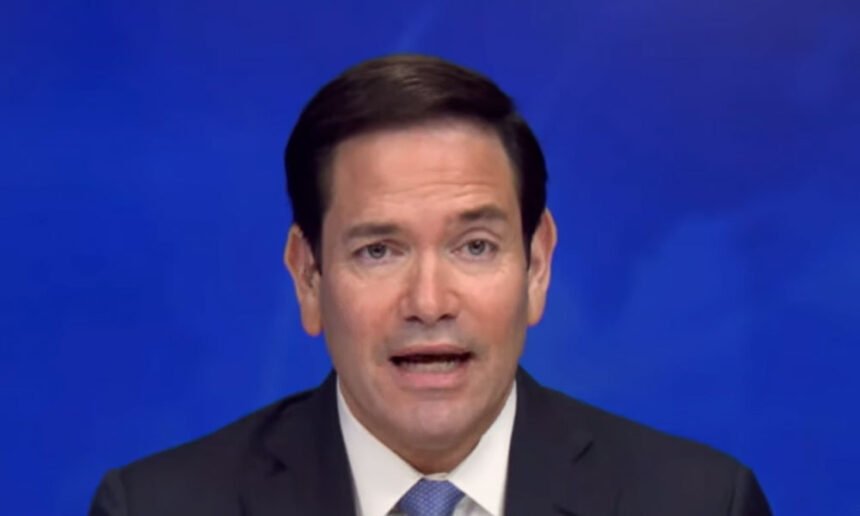
A tense interview on ABC’s Good Morning America put Secretary of State Marco Rubio on the defensive as anchor George Stephanopoulos pressed him over apparent contradictions with President Donald Trump on Iran.
During the exchange, Rubio described elements of Iran’s leadership as irrational and dangerous, even as Trump has recently suggested the U.S. is engaging with a “new and more reasonable” group within the country. The conflicting characterizations highlighted growing questions about the administration’s messaging as the U.S. remains entangled in a rapidly escalating conflict in the region.
Stephanopoulos zeroed in on the inconsistency.
“You call them lunatics, but the president says we’re dealing with a new and more reasonable regime,” he said, pressing Rubio to clarify. “Who is this new and more reasonable regime?”
Rubio declined to identify any specific figures, arguing that doing so could endanger individuals amid internal tensions in Iran. He instead pointed to possible fractures within the country’s leadership, suggesting that some figures may be privately signaling openness to change—even if those signals are not being made public.
But Stephanopoulos continued to push, asking directly whether Trump’s claim was accurate: “Is that the case or is it not?”
Rubio stopped short of giving a clear answer. He said some individuals were “saying the right things privately,” while acknowledging that public statements from Iran may not reflect behind-the-scenes discussions. The response underscored the uncertainty surrounding who the U.S. is actually negotiating with—if anyone.
The exchange comes amid a broader backdrop of confusion and mixed messaging within the administration. Trump has publicly claimed negotiations are progressing, even as military operations continue and tensions escalate across the Middle East.
At one point, the conversation turned to the possibility of a wider conflict. When asked whether failed diplomacy could lead to an expanded war, Rubio appeared to stumble before reframing his answer, emphasizing that current U.S. actions are focused on specific military objectives.
He insisted the administration’s goal is to dismantle Iran’s military capabilities, including missile systems and other infrastructure, and said those efforts are progressing quickly.
Still, the interview highlighted a deeper issue: a lack of clear, consistent messaging from top officials at a critical moment. With the U.S. engaged in an ongoing conflict and simultaneously signaling openness to negotiations, the gap between Trump’s public statements and Rubio’s more cautious framing has raised fresh questions about the administration’s strategy—and who, exactly, is setting it.
Watch the clip below: