








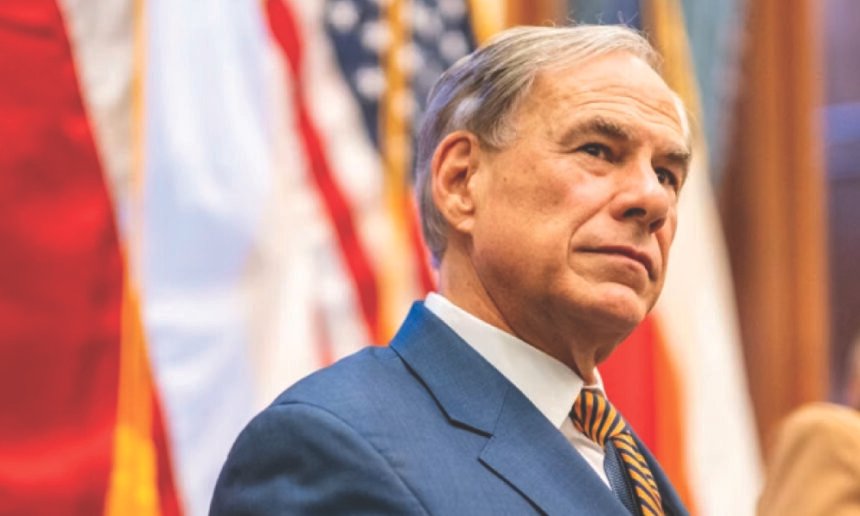
Texas Gov. Greg Abbott is facing a court order requiring him to let his Democratic election opponent review more than 1,000 pages of communications with billionaire Elon Musk — a potentially revealing trove of records that has largely remained hidden from public view.
Travis County Judge Catherine Mauzy ruled Monday that state Rep. Gina Hinojosa, the Democrat challenging Abbott in the November 3 election, is entitled to inspect the unredacted communications because they could help her prepare potential legislation, Bloomberg Law reports.
The timing could hardly be more consequential. With just eight days before Texans head to the polls, the legal fight has put the governor’s relationship with one of the state’s wealthiest and most politically influential figures under a brighter spotlight.
Abbott’s lawyers have dismissed Hinojosa’s records request as a political stunt. His spokesperson, Andrew Mahaleris, announced the appeal on X, setting up another round of legal wrangling that could keep the records out of Hinojosa’s hands during the final stretch of the campaign.
What Are Abbott and Musk Discussing Behind Closed Doors?
Hinojosa, who represents Austin in the Texas House, says she wants to examine what Abbott and Musk have discussed about tax breaks, government grants, data centers and Musk’s interest in a public beach near SpaceX’s launch site.
Those are significant subjects in a state where Musk’s companies have secured a major economic and political foothold — and where the billionaire has poured substantial money into Republican politics.
“They’re preventing her from doing her job,” Hinojosa’s attorney, Chuck Herring, argued during Monday’s hearing.
Under Texas law, state lawmakers can inspect certain government records that would otherwise be exempt from public disclosure when they need the information to prepare potential legislation.
Abbott’s team argued that Hinojosa has little reason to receive the records because she will leave office in January, before the next legislative session begins.
Mauzy rejected that argument for purposes of Hinojosa’s request for emergency relief, ruling that the Democrat was entitled to review the material. The decision does not mean the communications must be released publicly.
Hinojosa has agreed to keep their contents confidential, as required when lawmakers gain access to records the general public cannot see.
A Previous Records Request Revealed Heavy Redactions
The dispute follows an earlier, largely unsuccessful effort by the Texas Newsroom to obtain Abbott-Musk communications last year.
Abbott’s office provided the news organization with 1,374 pages, but Hinojosa said in her October 19 lawsuit that all but about 200 pages were redacted or entirely blacked out.
Among the exemptions Abbott invoked was a claim that the information was “intimate and embarrassing.” Texas Attorney General Ken Paxton’s office, which became involved in the dispute, agreed that the material could be withheld.
Hinojosa is now seeking a closer look at the records through her authority as a legislator — an avenue that could allow her to examine material that journalists and ordinary Texans have been unable to see.
The contents of the communications have not been established publicly, and the records request itself does not prove that Abbott or Musk did anything improper. But the extent of the redactions has fueled questions about what the governor and billionaire have discussed regarding business interests and state policy.
Musk’s Money Looms Over the Texas Race
Musk has become a major force in Texas politics, backing Republican candidates and causes with enormous financial resources. According to the figures cited in the reporting, Musk and his political committees have contributed more than $200 million in support of Paxton and $500,000 to Abbott.
Meanwhile, Abbott has worked to attract Musk’s business empire to Texas. The state is now home to major operations associated with SpaceX, Starlink, Tesla, X and the Boring Company.
That relationship has economic consequences for Texas, making questions about government incentives, grants and policy decisions involving Musk particularly relevant to lawmakers and voters.
The records dispute also comes as Texas Democrats see Hinojosa and state Rep. James Talarico, who is challenging Paxton for a U.S. Senate seat, as leading opportunities to break the party’s decades-long drought in statewide elections.
Hinojosa’s lawsuit does not establish that the communications contain evidence of favoritism or misconduct. But it raises a basic question of public accountability: What should a state lawmaker be allowed to examine when a governor’s dealings with a powerful billionaire could have implications for Texas policy?
The Clock Is Ticking Before Election Day
Mauzy has scheduled another hearing for November 2 — just one day before the election — to consider Abbott’s challenge to the court’s jurisdiction and Hinojosa’s request for a temporary injunction.
That leaves Hinojosa with little time to review the communications before voters cast their ballots, particularly if Abbott’s appeal continues to delay access.
For now, the judge has ruled that Hinojosa may inspect the unredacted records for legislative purposes. Whether she gets a meaningful opportunity to do so before Election Day remains uncertain.
The fight is about more than a stack of documents. It is also about the public’s ability to scrutinize the relationship between Texas’s governor and a billionaire whose companies have major interests in the state — and whether the legal process will move quickly enough for voters to understand the stakes before they go to the polls.