








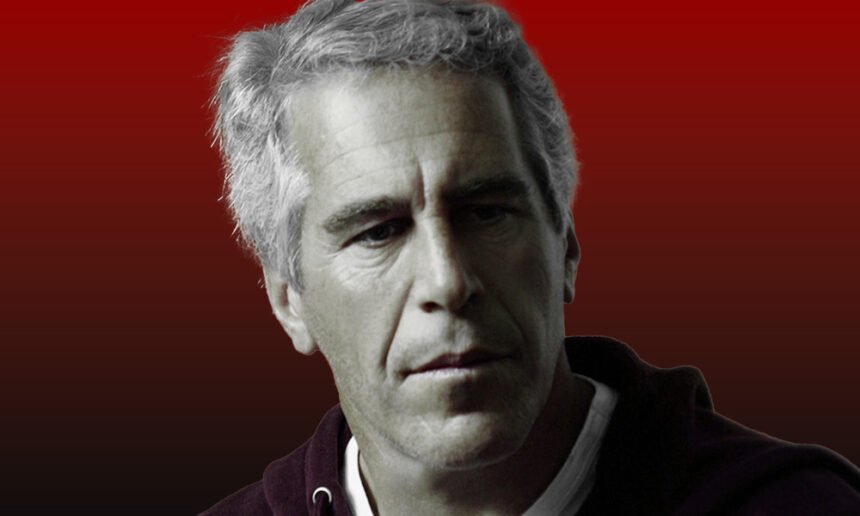
Just days before Jeffrey Epstein was found dead in a Manhattan jail cell, his lawyers quietly tried to crack the door on a cooperation deal with federal prosecutors. That much is now confirmed in newly released FBI and Justice Department records. What those same files also expose is a post-death mess so sloppy — and so secretive — that it’s guaranteed to keep suspicions alive.
Here’s what the new paperwork shows: on July 29, 2019, less than a fortnight before Epstein’s mysterious death, FBI agents and prosecutors from the Southern District of New York met with Epstein’s attorneys. According to an FBI memo labeled Epstein Investigation Summary & Timeline, the lawyers proposed the idea that Epstein could help authorities in exchange for some kind of deal, but only “in very general terms.” Prosecutors shut it down quickly, telling Epstein’s lawyers to come back only if he was ready to accept responsibility or present a concrete proposal to resolve the case.
However, the cooperation deal never materialized as the case abruptly ended with Epstein’s death.
But the newly released records don’t stop at failed plea talk. They also include internal emails and interview notes about what happened next, and they don’t inspire confidence.
Among the material is an exchange between investigators discussing Epstein’s final communication. One investigator noted that it “doesn’t look like a suicide note,” according to the Associated Press. That assessment sits uneasily alongside the official conclusion that Epstein’s death was a suicide — a finding the government continues to stand by.
Then there’s the physical removal of Epstein’s body, which reads less like standard procedure and more like a cover-up.
The documents describe how jail staff orchestrated a decoy to mislead reporters camped outside the Metropolitan Correctional Center. Boxes and sheets were arranged to resemble a body and loaded into a white van labeled as belonging to the Office of the Chief Medical Examiner. The press followed the van as it left the facility. Cameras rolling. Mission accomplished.
Except it wasn’t real.
According to interview notes included in the records, Epstein’s actual body was placed into a separate black vehicle that departed the jail “unnoticed.” While reporters chased the decoy, the real transport slipped away without scrutiny.
None of this proves Epstein was murdered. But taken together — the vague cooperation talks, the unresolved questions around his final communication, and a jail staff maneuver designed to distract the media — it paints a picture of a system scrambling before his death and improvising afterward.
Epstein’s lawyers dangled the possibility of a deal without substance. Prosecutors demanded something real and got nothing. And when Epstein died, the public was left with secrecy layered on top of official certainty.
The government says the case is settled. These files suggest the opposite — not a grand conspiracy, but a trail of unanswered questions that refuses to stay buried.