








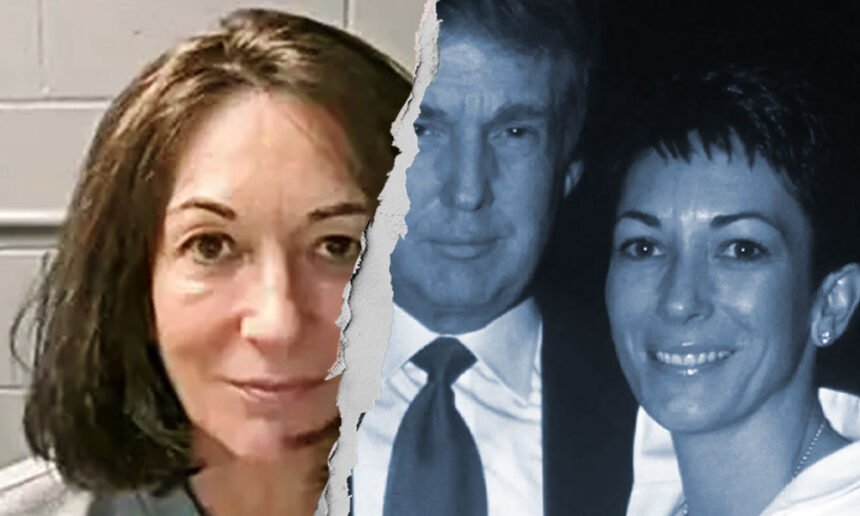
Ghislaine Maxwell may be locked up, but her presence is rattling more than just the bars of her cell.
Since the convicted sex trafficker and longtime Jeffrey Epstein associate was transferred to Federal Prison Camp Bryan earlier this summer, inmates say the atmosphere has shifted from laid-back to tense—and they point the finger squarely at her.
In a report published Saturday by The Wall Street Journal, current and former inmates at FPC Bryan described a facility that has undergone a noticeable clampdown since Maxwell arrived. More lockdowns. More security. More armed guards. And, perhaps most frustrating to those serving time alongside her, what they describe as special treatment and unexplained privileges.
“Maxwell’s unexpected arrival upset the camp’s usually relaxed atmosphere, leading to more frequent lockdowns, the addition of armed guards and other changes,” the Journal reported. “Current and former inmates said in interviews that Maxwell appeared to receive unusually favorable treatment at times, sparking resentment from other inmates.”
The details are painting a picture of a two-tiered prison experience. While most inmates at Bryan live in open dorm-style housing and eat together in the cafeteria, guards reportedly bring Maxwell’s meals directly to her room. One inmate said she’s seen Maxwell escorted for private meetings in the prison chapel—even during lockdowns that left others confined to their units.
One of those meetings took place in mid-August. According to an inmate cited in the report, Maxwell returned from the chapel smiling. When asked how it went, she reportedly replied, “She said it had gone well.”
No information has been shared about who Maxwell met with or why. But the secrecy surrounding her visitors and the facility’s apparent efforts to accommodate her have fueled suspicion among inmates—and pushed tensions higher.
“She said she didn’t belong here,” one prisoner recalled of a confrontation that erupted after a newly transferred inmate walked into Maxwell’s living area and complimented her hairstyle. Maxwell told her to leave, and the situation escalated enough for staff to intervene and move the newcomer to a different dorm.
Following the incident, the prison’s warden reportedly held what inmates described as a “town meeting” and a warning: anyone who threatened Maxwell, attempted to harm her, or spoke to the media about her presence could face immediate transfer to a higher-security facility.
To some, that sounds a lot like protection. To others, it sounds like power.
But if the goal was to deter gossip, it may have had the opposite effect. The silence around Maxwell’s meetings—and the impression that she’s being shielded—has only intensified speculation inside and outside the prison.
Adding to the mystery, a Department of Justice transcript released in July revealed that Maxwell met with Deputy Attorney General Todd Blanche. During the conversation, she stated she had never “seen Donald Trump do anything improper or illegal.” The DOJ offered no explanation for the meeting, fueling speculation about its purpose—and raising questions of a possible quid pro quo.
Maxwell is serving a 20-year sentence for recruiting and grooming underage girls for convicted pedophile Epstein, who died in jail in 2019 under controversial circumstances. Her transfer from a Florida facility to the minimum-security camp in Bryan drew criticism from the start, with many questioning why someone convicted of such serious crimes was placed in a prison known for its more relaxed conditions.
Now, it’s not just outsiders asking questions.
Behind the fences at Bryan, inmates say the rules are changing, the mood is souring, and Maxwell is at the center of it all.