






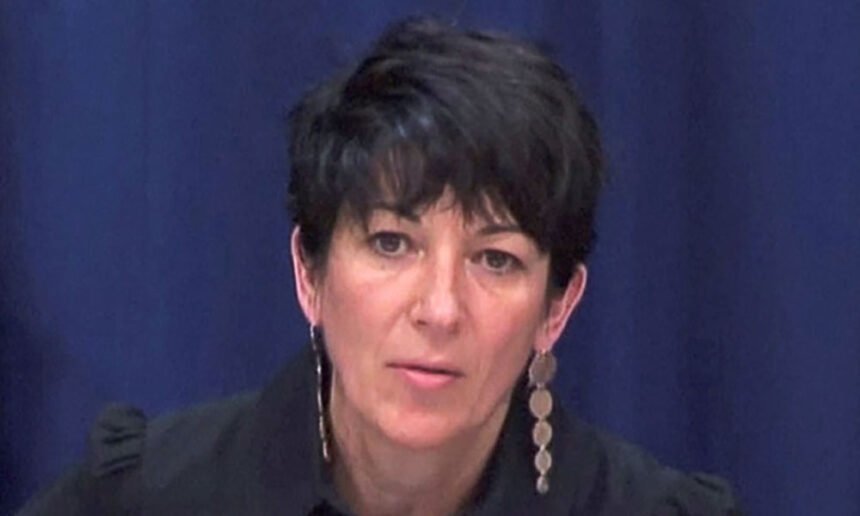
Ghislaine Maxwell, the once‑socialite turned convicted sex trafficker at the center of one of America’s most notorious abuse networks, showed up for her long-anticipated congressional deposition Monday — and promptly refused to say a word. But the reason wasn’t just stubbornness: Maxwell made it clear she wouldn’t answer any questions unless she had protections in place, effectively shielding powerful men from scrutiny while lawmakers watched.
Appearing virtually before the House Oversight and Government Reform Committee, Maxwell invoked her Fifth Amendment right against self-incrimination and declined to provide testimony about her role in Epstein’s crimes or the network of wealthy, powerful people who may have been involved. Every substantive question went unanswered.
Committee members had hoped this deposition would offer a rare window into Epstein’s decades-long abuse network and the enablers who allowed it to flourish. Instead, Maxwell’s appearance became a master class in stonewalling. She read a prepared statement and then remained silent, signaling that any disclosures would come only under terms that protect her from additional legal jeopardy.
Rep. Ro Khanna (D-Calif.), one of the lawmakers pushing for transparency, called Maxwell’s refusal “inconsistent,” noting that she had previously answered questions in interviews with Department of Justice officials without invoking the Fifth Amendment. “This position appears inconsistent with Ms. Maxwell’s prior conduct,” Khanna wrote in a letter to Oversight Chairman James Comer, highlighting that Maxwell had voluntarily engaged with DOJ investigators in the past.
Her legal team defended the decision, warning that answering questions without immunity could expose her to further criminal liability. The committee, unsurprisingly, refused to grant that protection, leaving Maxwell silent and the lawmakers frustrated.
The backdrop is a massive, ongoing release of internal documents related to the Epstein investigation, mandated by the bipartisan Epstein Files Transparency Act. Those records have already cast light on the connections between Epstein, Maxwell, and numerous prominent figures — yet Maxwell’s refusal to speak in Congress leaves lawmakers and the public with tantalizing gaps.
Members of both parties expressed irritation at the stonewalling. Some Republicans described her silence as strategic self-preservation, while Democrats lamented the lost opportunity for inside information about how Epstein operated undetected for so long. Lawmakers are now left trying to piece together the puzzle from documents alone, rather than firsthand testimony.
In short, Maxwell isn’t just hiding behind the Fifth Amendment — she’s using it as leverage, signaling she may be willing to talk, but only once she’s shielded from further legal risk. For Congress, and for anyone hoping to uncover the full scope of Epstein’s network, Monday’s deposition was a stark reminder: some doors remain firmly closed.