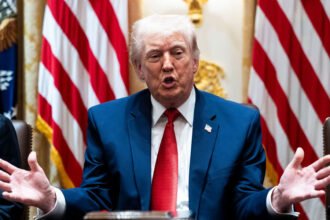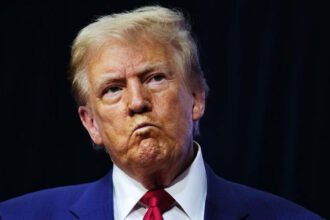









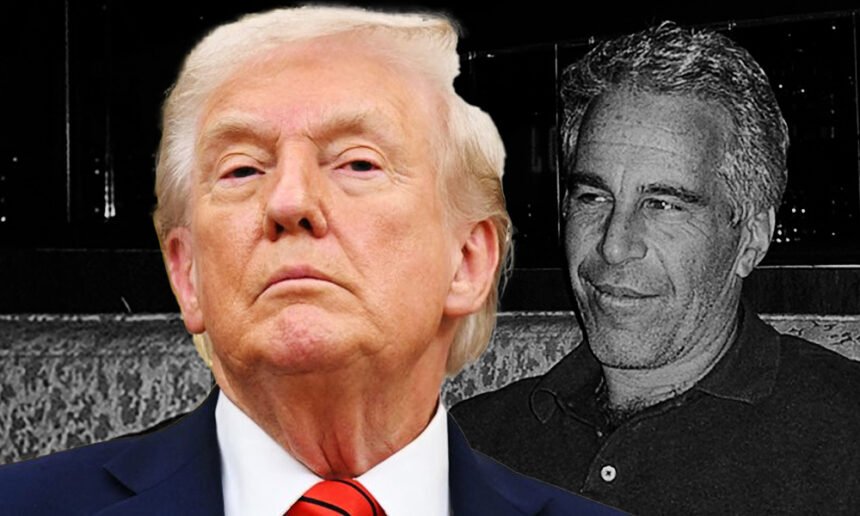
In the latest document dump tied to the Jeffrey Epstein investigation, the DOJ quietly released a photo that showed Donald Trump at an event — and then blacked out Trump’s face before publishing it. Not the background. Not bystanders. Just Trump. The move was so bizarre it immediately triggered backlash, ridicule, and accusations of a cover-up.
After the redaction went public, the department didn’t exactly clear things up. Instead, officials removed the photo altogether, then later restored it, claiming the edits were made to protect victims. That explanation landed with a thud, especially since Trump himself is not a victim, and the image had already circulated widely for years.
This wasn’t an isolated incident. According to reporting across multiple outlets, the DOJ has released roughly three million pages of Epstein-related material — about half of what it possesses — with heavy redactions, missing context, and shifting explanations for why certain material appears, disappears, and reappears.
The Trump photo fiasco became a symbol of that chaos. The Washington Post noted that Trump’s name appears repeatedly in the files, yet the department has provided little clarity about why visual evidence involving him received special handling. Associated Press reporting further emphasized that DOJ officials have downplayed the significance of the revelations while simultaneously refusing to explain specific redaction decisions in detail.
The Guardian confirmed that the Trump image was among materials temporarily pulled from public access, only to be restored after public scrutiny intensified. Prosecutors again cited victim protection — a justification that critics say doesn’t align with selectively obscuring a former president’s face.
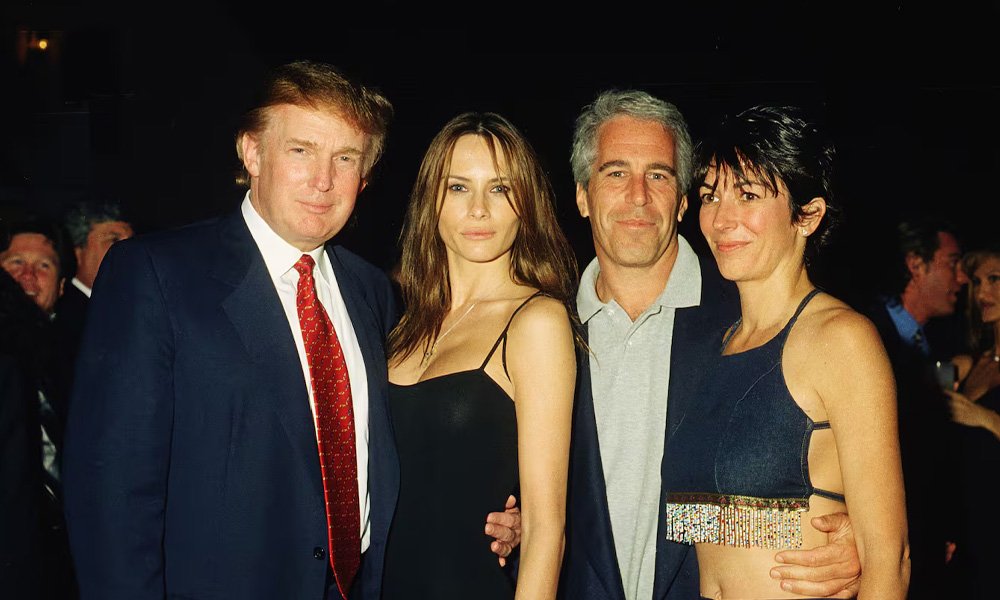
Trump is far from the only powerful figure named in the Epstein files, yet the controversy has centered on him precisely because of how visibly the DOJ handled his appearance. Names across business, politics, and royalty, from Elon Musk to former Prince Andrew, appear throughout the documents, but none have generated the same strange, clumsy attempts at visual erasure.
Lawmakers from both parties have raised concerns about the DOJ’s handling of the release. Some Democrats have openly accused the department of conducting a slow-motion cover-up, while Republicans have questioned why promised transparency keeps arriving filtered, delayed, and incomplete.
The DOJ maintains that all redactions are legally required and politically neutral. But when a government agency releases a photo and instinctively reaches for the digital black marker — specifically over Donald Trump’s face — it invites the very suspicion it claims to reject.
Transparency doesn’t look like this. It doesn’t blink material in and out of existence. And it definitely doesn’t involve pretending that blacking out a president’s face in the Epstein files was just another routine clerical decision.