








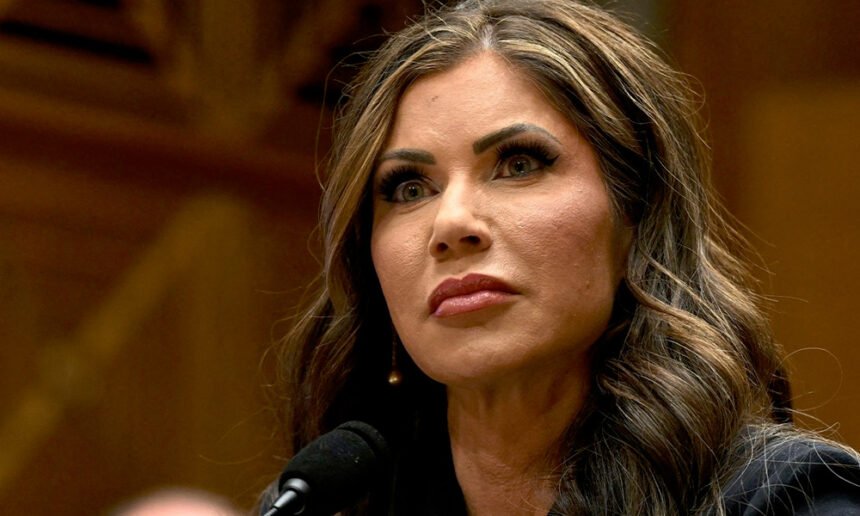
A federal appeals court just shouted down Homeland Security Secretary Kristi Noem for revoking temporary legal status for hundreds of thousands of Venezuelans and Haitians living in the United States, ruling she exceeded her authority and acted illegally in terminating protections intended to keep people from being deported or stripped of work authorization.
A three‑judge panel of the U.S. 9th Circuit Court of Appeals upheld a lower court’s decision that Noem violated federal law by vacating existing Temporary Protected Status (TPS) designations — protections Congress created to shield people from deportation during crises in their home countries.
The ruling won’t immediately undo the harsh consequences for the families and workers affected. The Supreme Court has already allowed Noem’s decision to take effect while the legal fight continues, meaning protections remain stripped for now.
According to the panel — which included Judges Kim Wardlaw, Salvador Mendoza Jr., and Anthony Johnstone — the statute that created TPS simply does not give the secretary the power to retroactively vacate an existing designation once it’s in place. In practical terms, the court said, DHS tried to repeal something Congress clearly didn’t authorize.
“The Secretary attempted to exercise powers Congress simply did not provide under the statute,” the appeals panel wrote, according to court documents.
The judges didn’t hold back on the real‑world consequences of Noem’s actions either, noting that the record is “replete with examples of hard‑working, contributing members of society — … who pay taxes, and have no criminal records — who have been deported or detained after losing their TPS.”
Noem’s defenders, though, argue the Homeland Security secretary has broad discretion to make TPS determinations and that terminating them isn’t subject to judicial review — a legal argument the judges flatly rejected. The panel pointed to statutory safeguards designed to ensure “predictability and stability” for people living and working legally in the U.S. under TPS status.
In a separate, more scathing voice, Judge Salvador Mendoza Jr. wrote that there was “ample evidence of racial and national origin animus” behind Noem’s decisions — conclusions that undercut official rationales claiming changes in conditions in Venezuela or Haiti justified ending TPS.
Noem and the Department of Homeland Security fired back, calling the appeals ruling a “lawless and activist order from the federal judiciary” and insisting TPS was always meant to be temporary, not a permanent stay of removal or an alternative to normal immigration pathways.
The dispute isn’t limited to legal technicalities. TPS for Venezuela and Haiti was originally put in place because of deep humanitarian crises — political collapse, economic turmoil, hyperinflation in Venezuela, and the devastating 2010 earthquake followed by ongoing violence in Haiti. Ending those protections throws people into limbo, threatening families, jobs, and community ties.
Another federal judge in Washington is expected to weigh in any day now on whether to pause TPS termination for Haiti while a separate lawsuit proceeds — a deadline made urgent because Haiti’s designation is set to expire Feb. 3.
The appeals court’s ruling confirms what advocates have been saying all along: Noem didn’t just reinterpret the law — she crossed a legal line, and the courts pushed back. Whether the Supreme Court ultimately upends that decision again remains to be seen, but for now, the judges have firmly rejected the idea that the executive branch can unilaterally erase humanitarian protections Congress deliberately created.