










Tierra Walker, a 37-year-old dental assistant from Texas, knew her pregnancy was dangerous. She was battling soaring blood pressure and diabetes, aware that she faced a heightened risk of a potentially fatal complication. By mid-October 2024, Walker decided she needed to request an abortion to protect her health. But what should have been a life-saving option was denied—by doctors, hospitals, and the law itself. She would later die from preeclampsia at just 20 weeks pregnant, leaving behind her 14-year-old son, JJ.
According to ProPublica, multiple medical providers told Walker her pregnancy was fine and there was no emergency, despite the fact that her health was at serious risk. Her family said she asked her doctor at Methodist Hospital Northeast near San Antonio: “Wouldn’t you think it would be better for me to not have the baby?” Yet, Walker was repeatedly told there was no cause for concern.
Her death is one of several ProPublica is investigating in which women with underlying health conditions died after being unable to terminate high-risk pregnancies in states that have banned or heavily restricted abortion.
The Supreme Court’s 2022 decision to overturn Roe v. Wade removed the constitutional right to abortion, giving states the power to ban or severely restrict the procedure. Texas, one of the most restrictive states, has enacted laws with no exceptions for rape or incest, and physicians who perform abortions face potential jail time and fines.
“I think we should eliminate the filibuster for Roe,” former Vice President Kamala Harris said on Wisconsin Public Radio. “To actually put back in law the protections for reproductive freedom, and for the ability of every person and every woman to make decisions about their own body and not have their government tell them what to do.”
Walker’s case is particularly grim. She had previously experienced a stillbirth due to preeclampsia and knew the risks she faced. She spent weeks hospitalized for seizures, clotting, and dangerously high blood pressure, pleading repeatedly with her doctors to assess whether continuing the pregnancy was safe. One doctor even documented in her medical record that she was at “high risk of clinical deterioration and/or death.” But over 90 doctors involved in her care never offered the option to terminate her pregnancy, according to medical records reviewed by ProPublica.
During her second trimester, Walker’s health continued to decline. On Dec. 27, 2024, at about 20 weeks pregnant, a doctor noted spiking blood pressure and sent her to the ER, where preeclampsia was finally diagnosed. Experts reviewing her case told ProPublica that her blood pressure of 174 over 115 was alarming and warranted immediate intervention—termination included. Instead, she was sent home on medication. Three days later, JJ found her lifeless.
Walker’s family is haunted not just by her death but by how the law may have contributed to it. Her aunt, Latanya Walker, said: “They didn’t want to offer to end the pregnancy, because the government or someone says you can’t? So you’d rather let somebody die? Now we are the ones that have to suffer.” Her husband, Eric Carson, said: “She was doing what they told her to do. Nobody said nothing.”
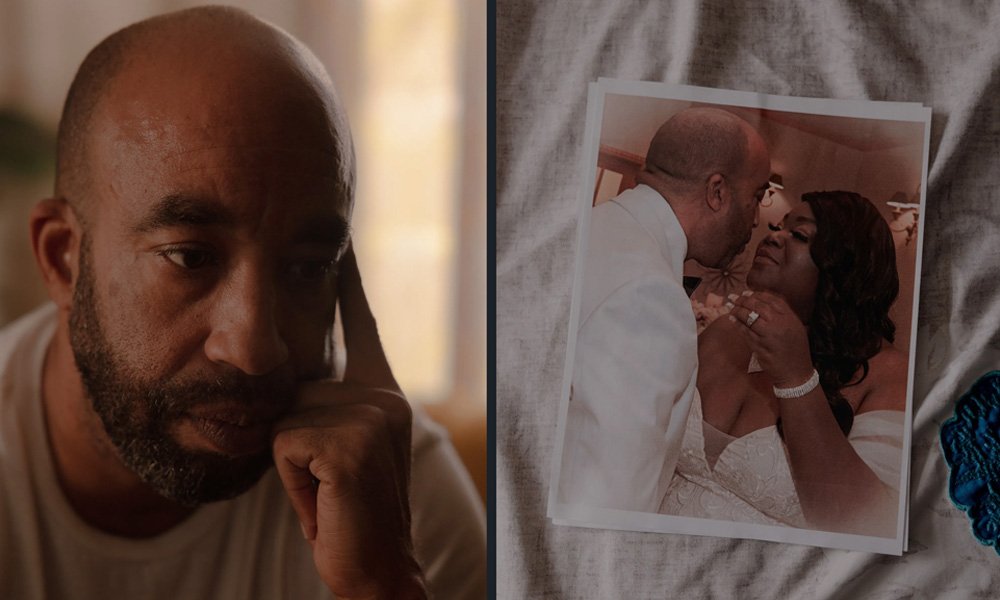
Anti-abortion activists who helped shape these laws have long resisted health exceptions, fearing they could undermine their goal of banning abortion. In Texas, and many other restrictive states, women with chronic conditions or high-risk pregnancies are left with few options. Doctors fear legal consequences and often avoid discussing abortion entirely. Dr. Jessica Tarleton, an OB-GYN in South Carolina, explained: “Some people were not because of their personal beliefs, and some because they didn’t want to be involved in any kind of potential legal actions. They didn’t want their opinion to have anything to do with a patient getting an abortion or not.”
The broader picture is clear: women are entering pregnancy older and sicker than in previous decades, and restrictive abortion laws disproportionately affect Black women, like Walker. Medical experts warn that forbidding patients the ability to make choices about their pregnancies is actively endangering lives.
Sen. Carol Alvarado, a Democrat in Texas, criticized her colleagues for refusing broader health exceptions. “You can’t proclaim to be pro-life, but you’re passing laws that are endangering women and causing death,” she said. “We have to allow for more exceptions.”
Tierra Walker’s death is a stark reminder that abortion bans are not abstract political victories—they are lethal realities. She leaves behind a grieving son, JJ, who now scrolls through old videos to hear his mother’s voice, and a family struggling to reconcile the preventable tragedy that unfolded under the shadow of restrictive laws.