







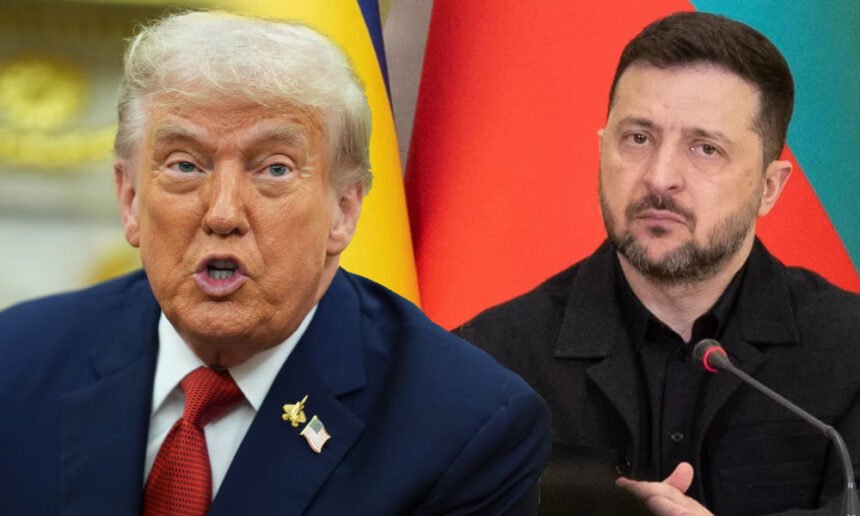
President Donald Trump is demanding that Ukraine replace President Volodymyr Zelensky, escalating his confrontation with Kyiv just one day after announcing a controversial deal with Russian President Vladimir Putin to bring Russian diesel fuel to global markets.
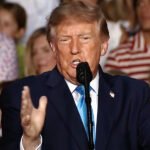
“I think it’s time for Ukraine to get a new president,” Trump told reporters Saturday, accusing Zelensky of repeatedly passing up opportunities to end Russia’s war against his country.
Trump’s comments came after he criticized Ukraine’s attacks on Russian oil refineries, claiming they were contributing to high diesel prices in the United States. He also suggested that Zelensky had failed to negotiate an end to the war, which began with Russia’s full-scale invasion of Ukraine in February 2022.
The remarks mark a sharp escalation in Trump’s criticism of Ukraine’s leader as his administration moves to ease restrictions on Russian fuel exports—a shift that could benefit Moscow while the war continues.
Trump announced the diesel arrangement Friday after a phone call with Putin, saying Russia would supply more than 300,000 tons of diesel initially, followed by additional shipments in the coming weeks and months.
The announcement represented a significant reversal of the U.S. approach to Russia’s energy sector. Trump signed a sanctions law targeting Russian oil and gas revenues just last month, seeking to limit the money Moscow can use to sustain its war against Ukraine.
The Treasury Department subsequently issued a six-month license easing sanctions on certain Russian diesel deliveries. The administration has argued that increasing fuel supplies could help address high prices, which have surged amid disruptions to global energy markets stemming from the war involving Iran.
But it remains unclear how much the Russian shipments will affect prices at the pump. Energy analysts have questioned whether redirecting existing supplies would meaningfully increase the amount of diesel available worldwide.
The deal also raises questions about the administration’s broader strategy toward Moscow, particularly as U.S. officials continue diplomatic efforts aimed at ending the war in Ukraine.
Zelensky has sharply criticized the diesel arrangement, describing it as a weak decision by Western partners and warning that it could help Russia continue its military campaign.
In a statement responding to the announcement, the Ukrainian president argued that the arrangement plays into Moscow’s hands by allowing Russia to profit from energy exports while continuing its attacks on Ukraine.
Zelensky also criticized the way the deal was announced, saying Ukrainian officials had been engaged in discussions with American and European representatives when Trump revealed the agreement with Putin.
In an interview with Axios, Zelensky called the decision “not fair and not honest.” He indicated that he might have supported easing energy sanctions if it had been tied to an agreement to halt attacks on energy infrastructure during the winter.
Trump, meanwhile, has pressed Ukraine to stop striking Russian energy facilities, arguing that the attacks are contributing to fuel shortages and higher prices. Kyiv maintains that its strikes are part of its defense against Russia’s ongoing invasion.
On Sunday, Zelensky said Ukraine was prepared to halt attacks on Russian oil refineries if Moscow stopped targeting Ukrainian energy infrastructure—a position that calls for both sides to cease such attacks rather than requiring Ukraine to act unilaterally.
Trump’s demand for a new Ukrainian president came amid renewed Russian attacks that Ukrainian officials said killed at least 20 people in the southeastern city of Zaporizhzhia on Saturday.
The attacks underscored the continuing human cost of the war as Washington and its partners debate how to pressure the two sides toward a settlement.
Trump has argued that Zelensky should have reached an agreement with Moscow earlier. He also claimed that Russia’s invasion would not have happened had he been president in 2022.
But the president’s latest comments go beyond criticizing Zelensky’s negotiating strategy. By calling for Ukraine to replace its leader, Trump has publicly intervened in a question that Ukrainians would ordinarily decide through their own political process.
Ukraine remains under martial law during the war, and national elections have been suspended. The country’s government has maintained that elections cannot be held under current wartime conditions.
The dispute also exposes a fundamental difference between Washington and Kyiv over how to end the conflict: Trump is pressing Ukraine to halt attacks on Russian energy infrastructure and pursue a deal, while Zelensky says any de-escalation must include reciprocal action by Russia.
Trump’s diesel deal and his demand for a new Ukrainian president have placed fresh strain on an already complicated relationship.
The administration says it wants to lower energy prices and bring the war to an end. Critics argue that easing restrictions on Russian fuel while pressuring Ukraine could provide Moscow with economic relief without securing meaningful concessions from Putin.
The full terms of the diesel arrangement, including payment details and the extent to which the planned shipments will reach the market, have not been made clear. Its actual effect on fuel prices therefore remains uncertain.
For Ukraine, the immediate concern is that Washington could increasingly condition its support on Kyiv accepting restrictions on its military campaign while Russia continues its attacks.