






Donald Trump just announced a dramatic shift in the five-month war with Iran, claiming a peace deal is finally within reach. But while the president is celebrating what he says could be a breakthrough, many of America’s allies see something very different: a costly conflict that has weakened U.S. credibility and left Washington looking increasingly isolated.
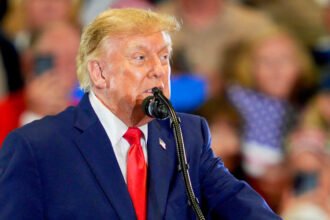
In a Saturday evening social media post, Trump announced that Middle East allies had agreed to the framework of a deal that he says could bring the war to an end.
According to Trump, the proposed agreement would include the immediate reopening of the Strait of Hormuz and an end to Iran’s nuclear threat. He also said he has decided to cancel planned U.S. military strikes—for now.
“Based on this request, I have agreed… to cancel the attack, subject to being able to rapidly make a DEAL,” Trump wrote.
He added that Israel has agreed to work with the United States in pursuing the agreement.
Iran, however, had not publicly responded to Trump’s announcement.
Even as Trump declared victory on social media, reports suggest many U.S. allies are far less optimistic.
According to The New York Times, officials and foreign policy experts in allied nations believe the conflict has damaged America’s standing on the world stage rather than strengthened it. They worry Trump’s constantly changing explanations for the war—and shifting definitions of success—have made U.S. strategy increasingly difficult to understand or trust.
Robin Niblett, the former director of the London-based think tank Chatham House, summed up those concerns bluntly.
“No one wants to be subject to a whipsaw foreign policy that doesn’t know its limits, and that is a strategic defeat,” he told the Times.
The announcement marks yet another abrupt reversal in a war that has repeatedly changed direction.
Just one day earlier, Trump suggested the United States was preparing to resume heavy military strikes against Iran. Now he’s talking peace.
The war began on February 28 after the United States and Israel launched attacks aimed at destroying Iran’s missile capabilities, preventing Tehran from developing a nuclear weapon, and weakening Iranian-backed militant groups.
Since then, however, the administration’s stated objectives—and its timeline for achieving them—have repeatedly shifted.
An earlier ceasefire reached in June quickly collapsed after Iran resumed attacks on commercial shipping in the Strait of Hormuz, helping push the conflict back toward escalation.
Trump’s latest announcement came shortly after a phone call with Saudi Crown Prince Mohammed bin Salman.
According to reports, the Saudi leader urged caution, warning that expanded U.S. strikes against Iran’s infrastructure could trigger retaliation against Gulf nations and their critical energy facilities.
Saudi Arabia has supported military operations against Iranian-backed militias while simultaneously pushing Washington and Tehran back toward negotiations, reflecting growing concern across the region that the war could spiral even further out of control.
Meanwhile, the fighting hasn’t stopped.
Kuwait said Iranian drones struck several vital facilities Saturday, though officials reported no casualties.
The British Navy also confirmed that a commercial tanker was hit near the Strait of Hormuz, while another vessel experienced a nearby explosion. Both incidents underscore how fragile the security situation remains despite Trump’s optimistic announcement.
The timing of Trump’s push for a deal is also politically significant.
The conflict has become increasingly unpopular with many Americans, while rising instability in the Middle East has rattled global energy markets just months before critical midterm elections.
Whether Trump’s proposed agreement actually materializes remains to be seen.
For now, the president says peace is within reach.
Many of America’s allies, however, are warning that after months of shifting strategy, the United States may have already suffered what they describe as a far more lasting setback: a loss of credibility that won’t be nearly as easy to repair.