







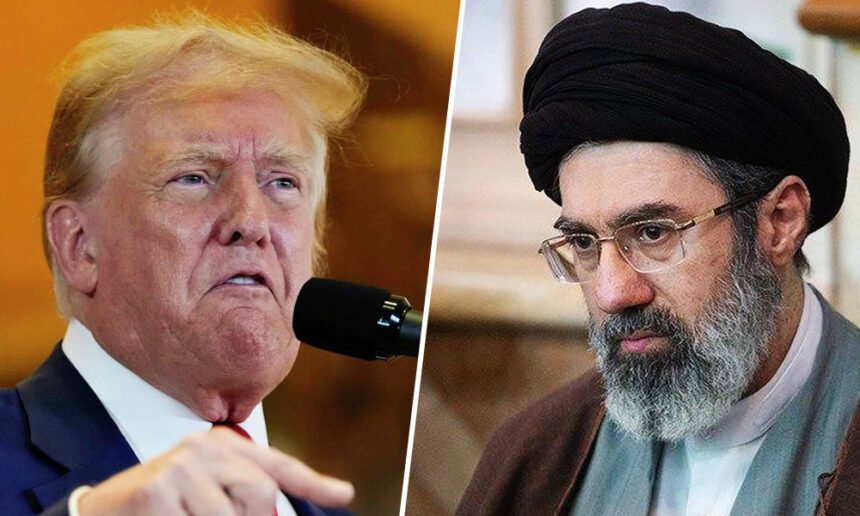
Tensions in the Middle East are surging again as a fragile ceasefire between the United States and Iran teeters on collapse, raising fears of a broader conflict and sending shockwaves through global energy markets.
Iran has issued a stark warning that the strategically vital Strait of Hormuz could be mined, cautioning that ships traveling through the narrow waterway risk encountering “anti-ship mines in the main transit routes.” The warning comes as the region remains on edge following renewed violence and escalating rhetoric from Washington.
The U.S. Navy has urged all vessels to remain in constant communication with security forces, citing the risk of “potential collisions with naval mines.” The strait, one of the most critical النفط transit chokepoints in the world, handles the passage of millions of barrels of oil daily. Any disruption has immediate consequences for global oil prices, which have already begun to fluctuate amid the uncertainty.
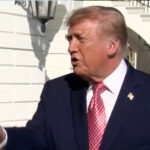
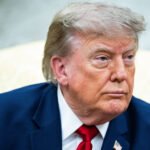
At the same time, Donald Trump is signaling that the United States is prepared to dramatically escalate military action if Iran does not comply with what he described as a “real” agreement.
In a fiery statement, Trump warned that U.S. forces remain fully deployed in the region and ready for further strikes.
“If for any reason it is not [complied with]… then the ‘Shootin’ Starts,’ bigger, and better, and stronger than anyone has ever seen before,” Trump said, adding that the U.S. military is “looking forward, actually, to its next conquest.”
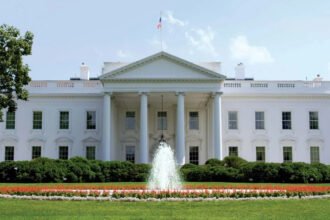
The comments come just days after a two-week ceasefire was announced, an agreement that now appears increasingly fragile. Disputes over its scope have further complicated the situation. Iran and Pakistan insist the truce included Lebanon, while both Israel and the White House deny that claim.
The disagreement follows a wave of Israeli airstrikes in Lebanon that reportedly killed more than 250 people in a single day and left over 1,000 wounded, drawing widespread international condemnation. British Foreign Secretary Yvette Cooper called the escalation “deeply damaging” and urged that Lebanon be urgently included in any ceasefire framework.
Iran has also condemned the strikes, calling them a “grave violation” and warning that continued aggression could derail any remaining hopes for de-escalation.
The conflict itself traces back to late February, when U.S. and Israeli forces launched coordinated strikes on Iran. In the early days of the war, Iran’s Supreme Leader, Ali Khamenei, was killed—an event that dramatically intensified hostilities and reshaped the geopolitical landscape.
Since then, Iran has intermittently restricted access through the Strait of Hormuz, using control of the waterway as leverage in the conflict.
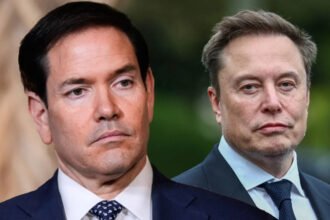
Despite the rising tensions, diplomatic efforts are still underway. Talks between U.S. and Iranian officials are scheduled to take place in Islamabad, with Vice President JD Vance leading the American delegation.
Whether those negotiations can prevent a wider war remains uncertain. For now, the combination of military threats, disputed ceasefire terms, and the looming خطر to global oil supply has left الأسواق—and the world—bracing for what could come next.