







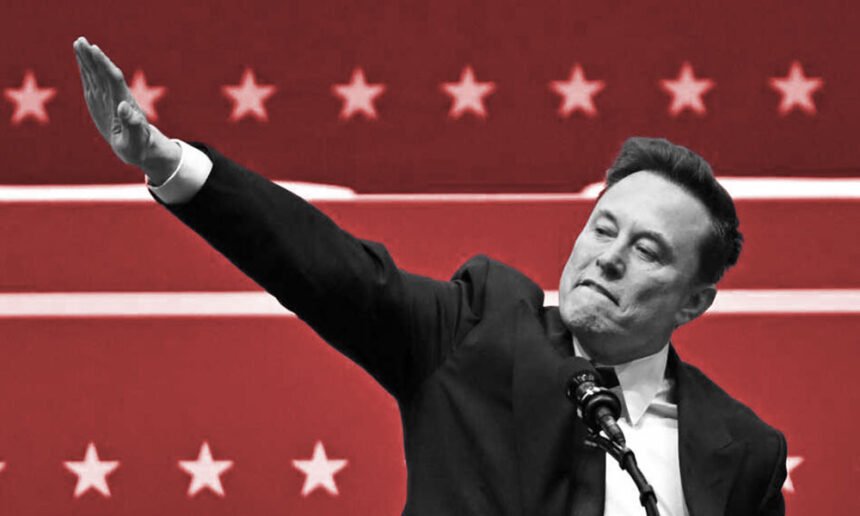
Elon Musk spent January not just posting — but obsessing publicly about race in ways experts say blur the line between billionaire commentary and white supremacist narrative.
According to The Guardian, Musk took to his own platform, X, on 26 of 31 days in January with posts that researchers contend are “indiscernible from those of white supremacists” — echoing talking points from extremist circles and conspiracy theories rooted in race fearmongering.
Musk’s output ranged from reposts to endorsements of ideas tied to white nationalist ideology, including claims that white people are a “rapidly dying minority.” On 22 January, just before appearing at the World Economic Forum in Davos, Musk shared a video from an Irish anti-immigrant influencer framing demographic change as a threat to white people.
“For a billionaire with more than 200 million followers, this isn’t casual commentary — it’s a platforming and amplification of fringe ideas,” said extremism expert Heidi Beirich, co-founder of the Global Project Against Extremism. “If you stripped Elon Musk’s name off of these things and showed them to me, I would think that this was a white supremacist.”
Many of Musk’s posts repeated narratives straight out of white supremacist talking points — from claims that white people face systemic discrimination to engagement with “great replacement” conspiracy theories alleging demographic change is an orchestrated threat.
William Braniff, former director of the Department of Homeland Security’s office for prevention of terrorism and extremism, described Musk’s posts as “textbook examples” of extremist ideologies. Some amplified content echoed exact language used in far-right circles to mobilize adherents.
That matters because, while Musk repeatedly denies being racist or antisemitic, the material he posts and amplifies aligns disturbingly with narratives historically linked to violent attacks. Braniff flagged white supremacist theory as a significant driver behind recent deadly incidents in the U.S. and abroad.
Musk’s pattern wasn’t limited to his own statements. Much of his engagement involved amplifying extremist accounts — sometimes with a simple emoji or terse endorsement that signaled agreement, including interactions with prominent far-right activists with documented extremist credentials.
Critics argue Musk’s behavior isn’t just free speech or open discourse; in a media ecosystem already rife with misinformation and division, giving a megaphone to ideologies tied to discrimination and violence carries real societal risk.
Read the full report here.