








The Department of Justice is facing a political firestorm after top lawmakers revealed that the release of the Jeffrey Epstein files was riddled with redactions protecting alleged abusers while exposing details about victims — some of them as young as nine years old.
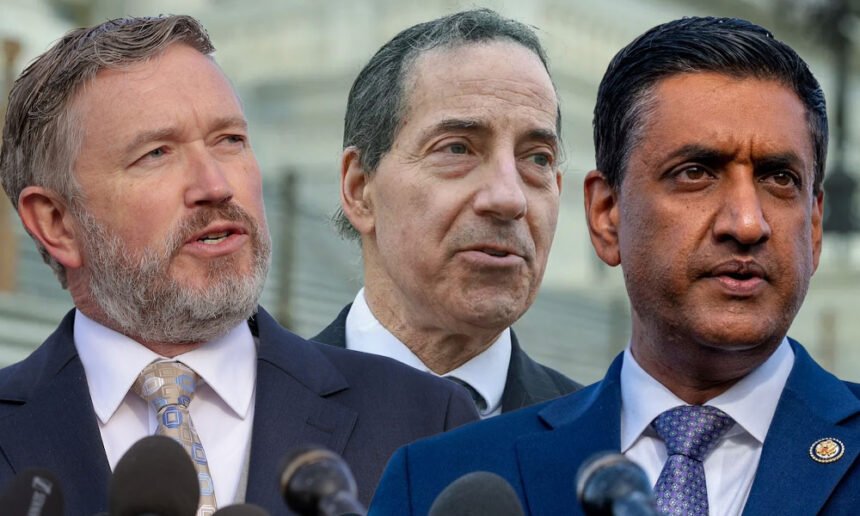
Representatives Jamie Raskin (D-Md.), Thomas Massie (R-Ky.), and Ro Khanna (D-Calif.) called out the DOJ for its “preposterous” handling of the files, saying the agency shielded potential perpetrators while failing to adequately protect victim identities. Raskin noted that parts of the documents mentioned victims under ten years old — a detail he said made the agency’s redactions “scandalous and morally unacceptable.”
Under the Epstein Files Transparency Act, Massie and Khanna were allowed to view the unredacted documents in a secure DOJ facility. After only a couple hours, they identified at least six names that could be “likely incriminated” — all of which had been hidden in the public release. In other words, the DOJ handed the public scraps while keeping key players under wraps.
“This is not just a bureaucratic mistake — it’s a cover-up,” Raskin said. The lawmakers warned that if the DOJ does not un-redact the files, they may read the names into the Congressional Record, a move that would publicly expose those currently hidden by the agency.
Advocates and survivors slammed the partial release as insufficient and potentially retraumatizing, criticizing the DOJ for revealing sensitive victim details while keeping powerful figures in the shadows. Some have called for a special master or independent monitor to oversee the release, though a federal judge has already denied such a request.
The controversy highlights how federal agencies may prioritize protecting the powerful over transparency. For Raskin, Massie, and Khanna, the public deserves to know exactly who was involved and to what extent.