








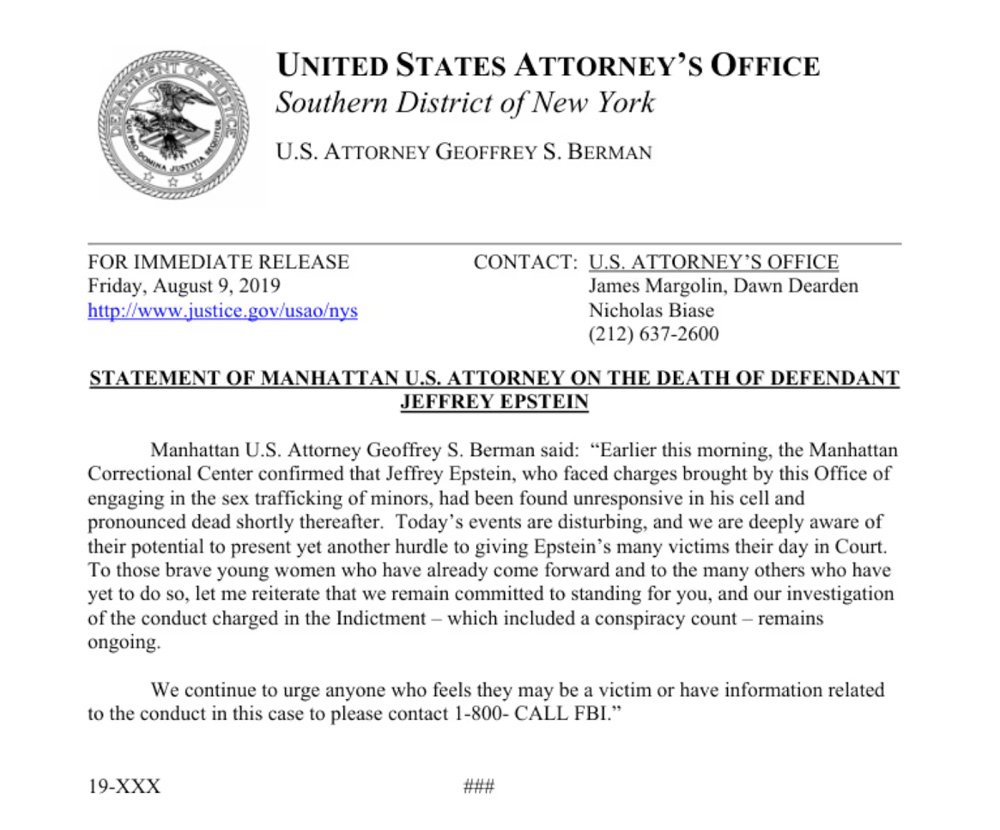
Newly released documents tied to Jeffrey Epstein’s prosecution have thrown gasoline on the long-smoldering controversy over his death, revealing a draft federal statement about his death that was dated before he was found dead in his Manhattan jail cell. That revelation has reignited suspicions about what actually happened in the final hours before Epstein was pronounced dead, and why government records don’t seem to line up with the official timeline.
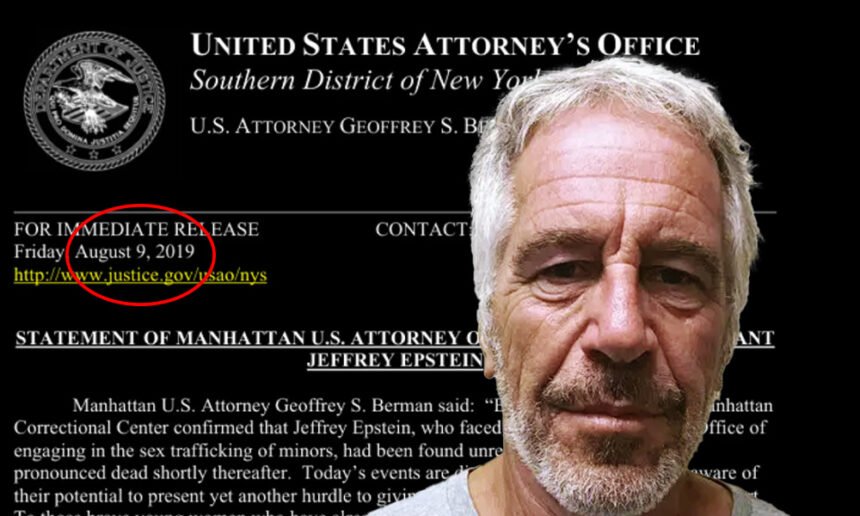
The cache of records from the Justice Department’s Epstein files includes at least 23 draft statements attributed to federal prosecutors in the U.S. Attorney’s Office for the Southern District of New York, one of which bears an August 9, 2019 date — a full day before Epstein was discovered unresponsive on August 10 while awaiting trial on sex-trafficking charges.
Epstein’s death, ruled a suicide, occurred during Donald Trump’s first term in office under the watch of former Attorney General Bill Barr and was clouded by bizarre occurrences: malfunctioning cameras on the night of his passing and a lack of adequate oversight by prison staff.
These factors have fueled conspiracy theories, prompting many to speculate whether Epstein was silenced to protect powerful individuals, including Trump.
Adding to the confusion, the newly released files show inconsistencies in what was redacted and what wasn’t, with some versions of statements leaving phone numbers or names visible and others blacking out nearly all identifying information. The patchwork of drafts raises basic questions about why prosecutors would be preparing messaging about Epstein’s death before it was officially reported that he had died.
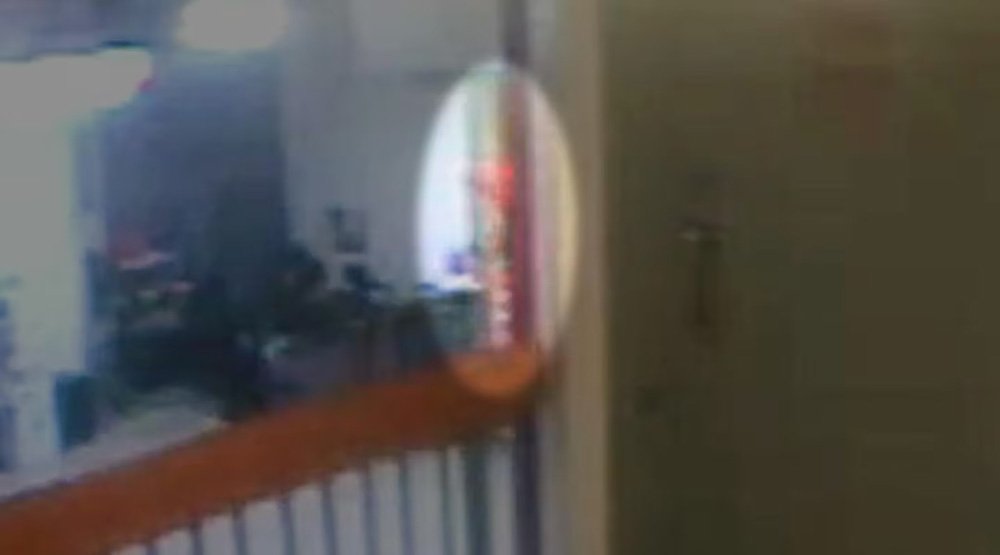
The documents also include surveillance logs from the night before Epstein’s body was discovered, showing an orange-colored figure moving up a staircase near the tier where Epstein was housed at around 10:39 p.m. on August 9, 2019. Independent analysts said the movement looked more like an inmate than a corrections officer carrying linen, contradicting official assertions that no one entered his housing area that night.
Epstein’s former cellmate, Nicholas Tartaglione, has already claimed in a pardon petition that prison officials deliberately left Epstein unprotected — and now these new filings have only broadened public skepticism about the case, the government’s handling of it, and the narrative that his death was a straightforward suicide.
Officially, Epstein’s death was ruled a suicide by federal authorities, but the latest file dump is giving investigators, journalists, and skeptics fresh ammunition to question that conclusion and to demand deeper transparency about what happened inside the Metropolitan Correctional Center leading up to his death.
For now, the Justice Department has not offered a detailed explanation for the pre-dated statement or the inconsistencies in the records. And with more documents continuing to surface, the public — and Epstein’s victims — are left with as many questions as ever.