








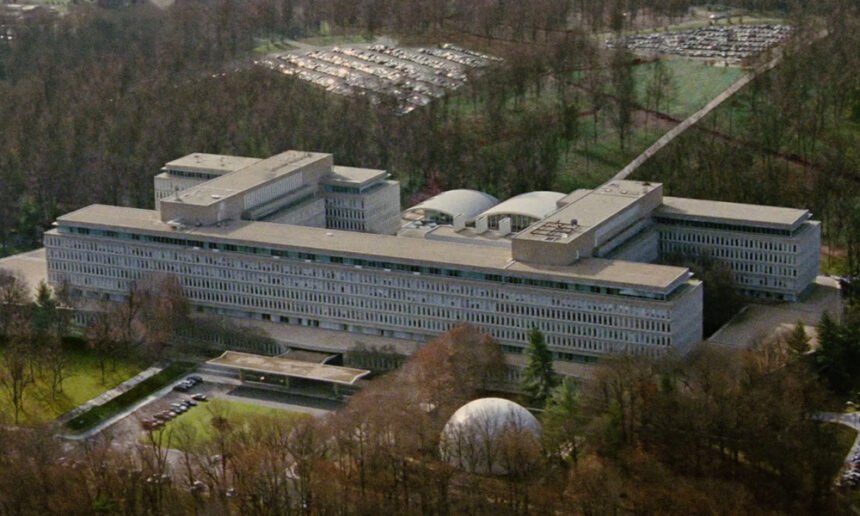
Two senior members of the Senate Intelligence Committee just lit a flare over the CIA — and t’s cryptic as hell. The lawmakers have expressed “deep concerns” about “disturbing” CIA operations, and they want the agency on record. What’s happening behind closed doors? Nobody outside the inner circle knows yet, but it’s spooking the senators.
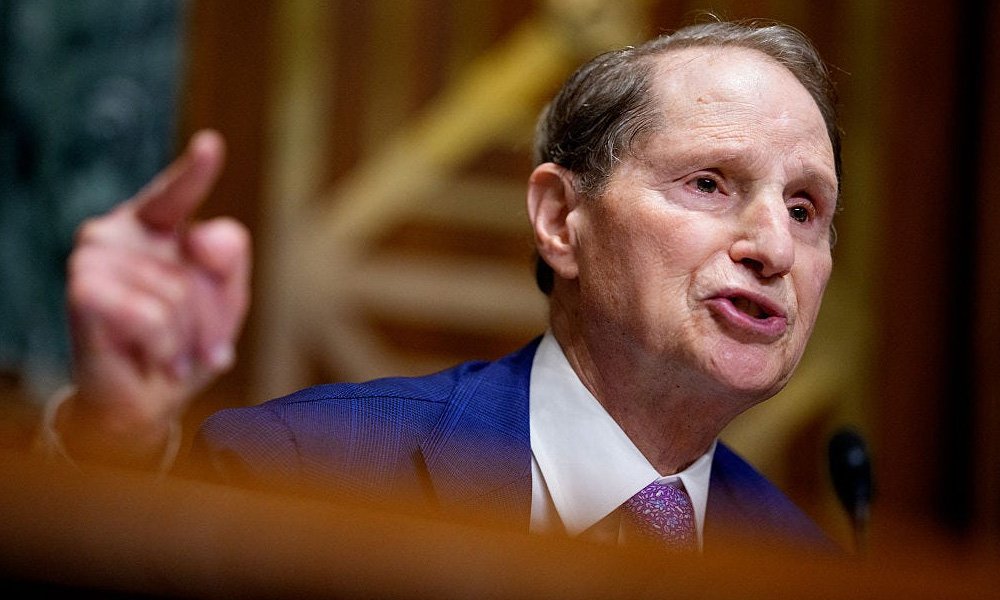
Leading the warning is Sen. Ron Wyden (D-Oreg.) — the longest-serving member of the Senate Intelligence Committee — who sent a classified letter to CIA Director John Ratcliffe. The public-facing note reads:
“I write to alert you to a classified letter I sent you earlier today, in which I express deep concerns about CIA activities,” Wyden said in the letter, which was released Wednesday afternoon. “Thank you for your attention to this important matter.”
Wyden’s public letter doesn’t explain which programs or operations are causing alarm. That’s intentional. He’s signaling that something serious is happening, while keeping the details locked away. Other senators on the committee, including Mark Warner (D-VA), reportedly backed the warning, reinforcing that this isn’t a solo gripe — it’s a coordinated oversight alarm.
Observers note that Wyden has a long history of sounding alarms on clandestine operations and secret interpretations of domestic surveillance law. When he flags something as concerning, Washington usually pays attention. And the fact that other Intel Committee members are joining the chorus adds a layer of institutional weight.
Why make it public if it’s classified? For Wyden and colleagues, putting a statement on record ensures that oversight is documented — in case future whistleblowers, inquiries, or political battles require proof that Congress noticed potential problems before they became crises.
The warning leaves a lot unsaid. There’s no mention of whether the concerns relate to domestic or foreign intelligence, covert operations, or legal compliance. The CIA hasn’t offered any public comment in response. There’s radio silence from Ratcliffe’s office and no formal acknowledgment of the substance of Wyden’s concern.
Naturally, this vacuum is being filled with conjecture. Some analysts connect the senators’ concerns to broader intelligence controversies, including ongoing disputes over whistleblower complaints and the handling of classified material by top officials. But until the agency or senators release more details, all anyone can do is guess.
Still, make no mistake: a senior senator with access to secret information deliberately made this alarm public. There’s a reason he did that. Whether it’s oversight, legal peril, or something far more consequential.