






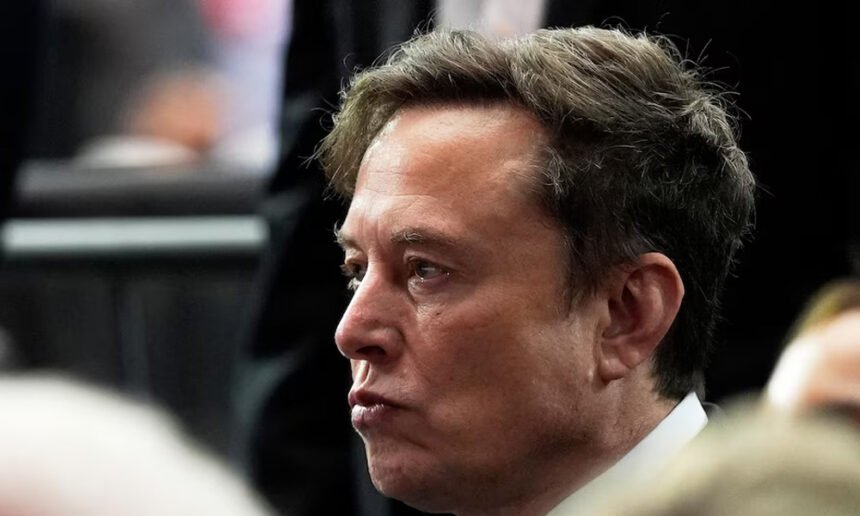
A federal judge just threw billionaire Elon Musk into the legal spotlight, ordering them to sit for depositions over his involvement in dismantling the U.S. Agency for International Development (USAID).
In a ruling handed down Tuesday, District judge Theodore D. Chuang ordered Musk and State Department workers to answer questions under oath about their roles in the rapid teardown of USAID, a massive agency once staffed by about 10,000 people and responsible for roughly $43 billion in global disaster relief and development spending.
USAID didn’t just administer overseas assistance — it was America’s main civilian face in responding to crises around the world, from earthquakes to pandemics. Now its fate is in legal limbo, and a judge wants to get to the bottom of how Musk and government officials executed the changes.
As reported by Axios, deposition order is part of a lawsuit filed by current and former USAID employees who say the shutdown and restructuring were bungled and lacked proper justification.
The White House has punted all questions about the situation to the State Department, which did not immediately comment. Musk, for his part, has previously called the initiative known as DOGE (Department of Government Efficiency) “somewhat successful,” even as critics howl about its legality and chaotic execution.
Union leaders and legal experts have repeatedly flagged Musk’s access to agency operations as unprecedented. Employees were instructed to follow directives linked to DOGE, even as congressional and administrative warnings poured in that the approach was outside the bounds of lawful authority.
The court order represents a rare legal pushback against the growing influence of a private citizen inside the federal government. Lawyers for USAID employees are using the deposition to uncover how much Musk shaped policy, personnel decisions, and operational priorities — and whether his fingerprints overstep legal and ethical limits.
Observers say the case could set a precedent: billionaires may not be untouchable when they start steering government agencies, even indirectly. Musk’s deposition, along with testimony from senior State Department officials, is likely to reveal how deep private influence reached into public governance — and whether those decisions compromised the country’s foreign aid mission.
The ruling makes one thing crystal clear: Musk is not immune from legal accountability — especially when his ambitions collide with the machinery of the U.S. government.