



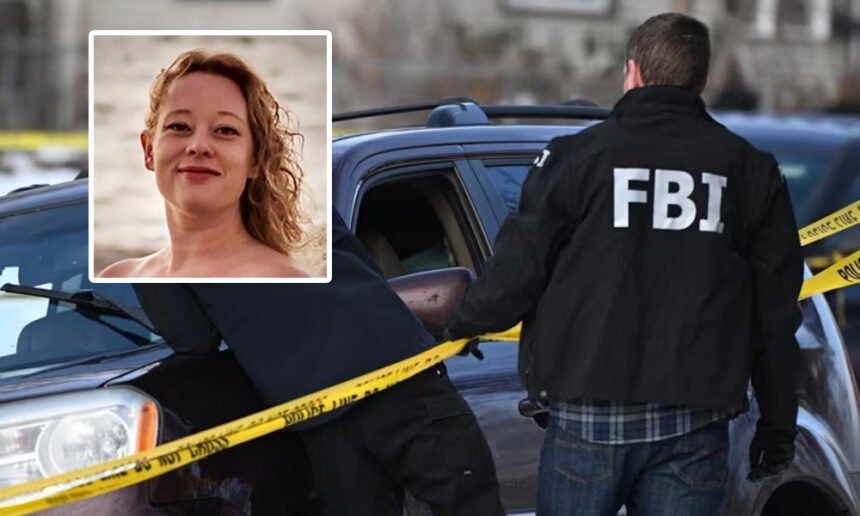
In a blunt power play, federal agents effectively locked out Minnesota law enforcement from a high‑stakes investigation into the fatal shooting of a Minneapolis woman by a U.S. Immigration and Customs Enforcement (ICE) official. The FBI’s move to seize control and cut off state access to evidence has ignited a firestorm of criticism and raised serious questions about transparency and federal overreach.
Yesterday, a 37‑year‑old Minneapolis woman identified as Renee Nicole Good was shot and killed by an ICE agent during a federal enforcement operation. The Minnesota Bureau of Criminal Apprehension (BCA) was initially set to investigate the incident alongside the FBI. But today, federal authorities had reversed course. According to state investigators, the U.S. Attorney’s office told them the FBI would lead the probe solo — and the BCA would be barred from accessing case materials, evidence, or witness interviews. Without those tools, Minnesota’s own agency said it couldn’t meet its legal standards for a thorough and independent inquiry.
“It’s outrageous,” a Minnesota law enforcement source told reporters after the FBI’s decision was announced. “We were working the scene in good faith — then the feds snatched it and shut us out.”
According to NBC News, the abrupt takeover has infuriated local leaders and civil rights advocates pushing for accountability in the shooting. Critics argue that the move sends the message that federal agents can effectively operate above scrutiny, especially when deadly force is involved. The BCA’s withdrawal — not because it wanted to walk away but because it couldn’t do its job without access — has only fueled those concerns.
Demonstrators and community activists quickly seized on the news, accusing the FBI of stonewalling and shielding a federal agency from proper oversight. Vigils for the slain Minneapolis woman have swelled over the past couple of days, with protesters demanding not just answers about the killing but why state investigators were frozen out of the process.
Federal officials have offered little more than boilerplate assurances that the FBI will handle the case thoroughly. But to critics in Minnesota that sounds a lot like old Washington doublespeak. With tensions already high — protests have erupted in multiple cities over the shooting and the broader ICE crackdown — the federal takeover of this investigation threatens to ratchet up anger even further.
Even some in law enforcement say the optics are terrible: a federal agency investigating an incident involving another federal agency while explicitly shutting out state investigators.
Whether the FBI will share evidence with local prosecutors or allow any meaningful transparency remains unclear. But for now, Minnesota officials are left standing on the sidelines, watching as federal agents write the rules — and keep the files.