








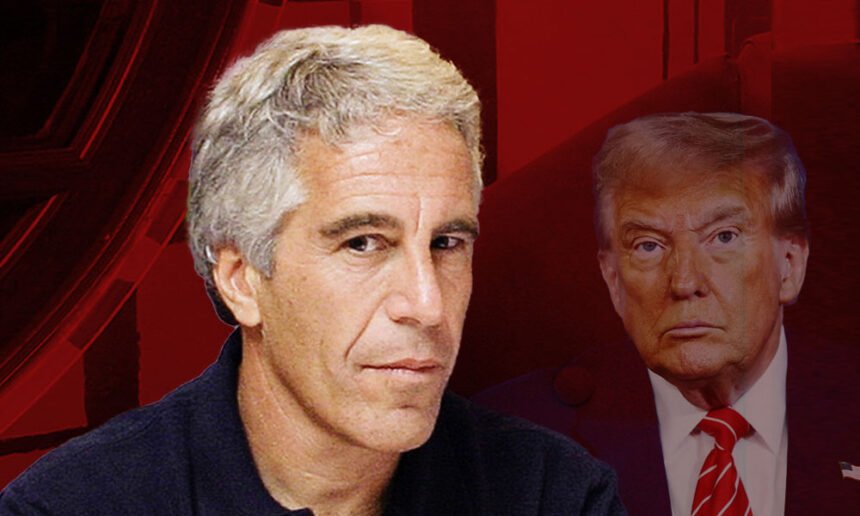
Just weeks after Jeffrey Epstein died in jail in 2019, banking giant JPMorgan Chase quietly alerted the Trump administration to more than $1 billion in transactions it deemed potentially suspicious — deals involving several high-profile businessmen, offshore accounts, and even wire transfers to Russian banks.
The internal alert, known as a suspicious activity report (SAR), was filed by JPMorgan and has now surfaced among hundreds of pages of newly unsealed court records. The report flagged over 4,700 transactions connected to Epstein and his financial network, citing possible links to human trafficking operations.
Among the names included were Leon Black, billionaire co-founder of Apollo Global Management and former MoMA chairman; Glenn Dubin, hedge fund manager; Alan Dershowitz, celebrity lawyer; and trusts tied to retail magnate Leslie Wexner.
While all appeared in connection with financial activity involving Epstein, what those transactions actually involved remains unclear — and none of the men has been charged with crimes related to Epstein.
According to The New York Times — which, alongside The Wall Street Journal, fought to make the documents public — JPMorgan’s report also flagged wire transfers to Russian banks and noted Epstein’s “relationships with two U.S. presidents.” Epstein maintained personal ties with both Donald Trump and Bill Clinton.
The report offered few specifics about what exactly triggered the bank’s red flags. One major detail, however, stood out: $65 million in wire transfers tied to trusts controlled by Wexner, the retail billionaire behind The Limited and Victoria’s Secret. Those transfers, dating back to the mid-2000s, appeared to move through multiple banks. Epstein served as a trustee and financial adviser for Wexner for nearly two decades.
After Epstein’s death, Wexner publicly accused him of misappropriating “vast sums” of money.
The report also mentioned financial activity involving Epstein and Leon Black, his wife, and a family partnership. Earlier reporting from The New York Times revealed that Black had paid Epstein about $170 million over several years — as well as hundreds of thousands of dollars to at least three women connected to Epstein.
When contacted for comment, Black’s team told The Independent he had “no comment,” but pointed to an earlier statement from his attorney, Susan Estrich, who said:
“After an exhaustive investigation more than four years ago, the Dechert law firm concluded that Mr Black paid Epstein only for tax and estate planning advice that saved him and his family billions of dollars.
To imply that Epstein somehow had influence over Mr Black is false and patently absurd. Indeed, it was Mr Black who fired Epstein because he was disruptive and believed the fees for his services were excessive. The Dechert Report also found that Mr Black had no knowledge of Epstein’s criminal activities.”
Epstein also had deep ties to Glenn Dubin. He helped broker the sale of Dubin’s hedge fund to JPMorgan — a deal that earned Epstein a $15 million fee — and had previously dated Dubin’s wife, Eva Andersson-Dubin. Epstein was even godfather to their children.
A spokesperson for the Dubins told The Independent: “During this 16-year period, there were 12 transactions between the parties, all of which related to charitable giving, personal gifts, or business matters. These transactions, which have all been previously reported, bore no connection whatsoever to the abhorrent conduct later revealed in relation to Mr Epstein. As Glenn and Eva Dubin have previously stated, they were horrified to learn of his vile and unspeakable actions.”
Alan Dershowitz, who once represented Epstein as part of his defense team, told The New York Times: “The only funds I ever received from Jeffrey Epstein were payments for my legal services based on my hourly rates.”
JPMorgan itself isn’t escaping scrutiny. The bank worked with Epstein for more than a decade, even as internal warnings and staff concerns mounted. During that same period, Epstein is believed to have sexually abused over 200 women and girls, some as young as 14.
A spokesperson for the bank said the documents show JPMorgan repeatedly tried to flag Epstein’s activities to regulators: “It does not appear that anyone in the government or law enforcement acted on those SARs for years.”
The bank has since expressed “regret” for ever doing business with Epstein, saying it had no knowledge of his abuse or criminal behavior.
Still, the sheer scale of the money and the timing of the alerts — coming right after Epstein’s death — raise unsettling questions about what the government knew, and when. JPMorgan had seen enough to hit the alarm. The Trump administration had enough to investigate. Yet for years, no one acted.